- CPAP Masks
- CPAP Machines
- CPAP Supplies
- CPAP Accessories Home Sleep Test
- Blog
Chat with a 5-star expert now!
Chat with a 5-star expert now!
- Home /
- CPAP Supplies /
- CPAP Humidifiers
CPAP Humidifiers
CPAP humidifier parts include replacement items like humidifier chambers, lids, and seals. If a part breaks, you don't have to replace the entire humidifier. Browse our selection to see if we have the part you need to save the cost of replacement.
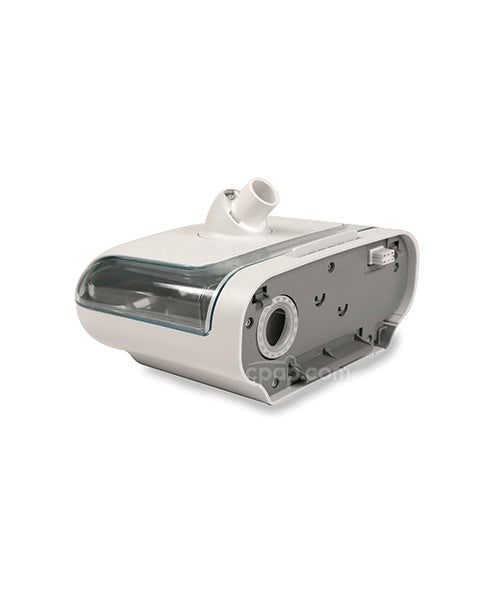
View all of our Humidifier & Chamber products
The ResMed AirTouch N20 Mask
Say goodbye to next-day red marks and hello to a personalized memory foam fit.
Try it NowSimply shop and save. No code necessary.
Shop NowLiviliti Paptizer
Kill 99% of Bacteria in 3 Mins.
Sanitize NowI have always had great service and the prices are the lowest I have found. I ordered today and needed to make a correction and Erica was incredibly helpful and pleasant to work with. I will continue to order from them and I recommend them to all CPAP users.
Verified Customer
Feb 16, 2022
They are excellent to deal with. Helped me find my parts. Great prices. I have used them for many years and have no reason to switch.
Verified Customer
Feb 18, 2022
CPAP.com has been a great provider of CPAP equipment over the last two years, orders are easily placed with fast delivery. Typically I order online but today I called in and Karla was very courteous, polite, and professional and helped me to save money by using a promotional code. Thank you Karla for the great service!
Verified Customer
Oct 26, 2021
My doctor had mentioned that CPAP.COM was a smart place to shop. The website is optimum, but sometimes you need to talk with someone. This is my second order where they saved the day. Today, Miss Alma answered the phone and was extremely efficient and helpful. You call CPAP.COM and they are ON YOUR SIDE. Many Kind Regards.
Verified Customer
Jul 21, 2021
I actually enjoyed my interaction with CPAP.com. Camyatta was friendly, professional, knowledgeable, and helped make my purchase easy. And let's not forget the HUNDREDS of dollars I saved by buying direct. Thank you!
Verified Customer
May 26, 2021
Shop CPAP Humidifiers
HumidX and HumidX Plus are waterless humidifiers for the AirMini. It uses the moisture from your exhaled air to humidify your incoming therapy air without the need for distilled water or a bulky humidifier chamber. HumidX is available in packs of three or six.
While not common, a cracked lid or seal can lead to water leaking from your humidifier or more noise escaping the machine’s housing, keeping you up at night. CPAP.com stocks replacement humidifier seals for most current and recent CPAP machines. Browse covers and seals for our popular humidifiers below:
Need to replace your CPAP’s integrated humidifier? CPAP.com stocks replacement humidifiers for the most current and recent CPAP machines to quickly ensure you get your full sleep apnea therapy benefits. Browse replacement heated humidifiers for our popular CPAP machines below:
If your humidifier water chamber is cracked, discolored, or showing signs of wear, it may be a good idea to replace it with a new one. CPAP.com stocks replacement water chambers for past and current ResMed CPAP machines. Browse replacement water chambers for our popular ResMed CPAP machines below:
If your humidifier water chamber is cracked, discolored, or showing signs of wear, it may be a good idea to replace it with a new one. CPAP.com stocks replacement water chambers for past and current Philips Respironics CPAP machines. Browse replacement water chambers for our popular Philips Respironics CPAP machines below:
If your humidifier water chamber is cracked, discolored, or showing signs of wear, it may be a good idea to replace it with a new one. CPAP.com stocks replacement water chambers for past and current Transcend CPAP machines. Browse replacement water chambers for our popular Transcend CPAP machines below:
If your humidifier water chamber is cracked, discolored, or showing signs of wear, it may be a good idea to replace it with a new one. CPAP.com stocks replacement water chambers for past and current 3B Medical CPAP machines. Browse replacement water chambers for our popular 3B Medical CPAP machines below:
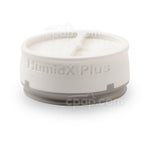
(3 Pack)
- Not Compatible with AirFit F20, AirTouch F20, AirFit F30, AirFit F30i
- 3 Month Supply
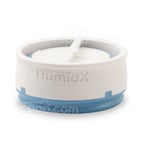
(3 Pack)
- Not Compatible with AirFit F20, AirTouch F20, AirFit F30, AirFit F30i
- 3 Month Supply
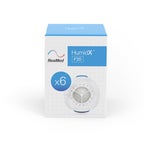
- Compatible Only With AirFit F20 and AirTouch F20
- 6 Month Supply
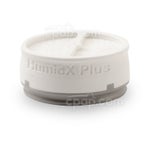
(6 Pack)
- Not Compatible with AirFit F20, AirTouch F20, AirFit F30, AirFit F30i
- 6 Month Supply
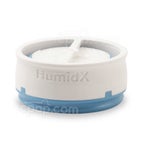
(6 Pack)
- Not Compatible with AirFit F20, AirTouch F20, AirFit F30, AirFit F30i
- 6 Month Supply
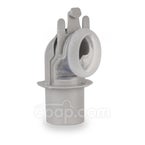
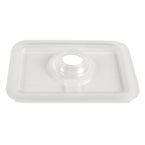
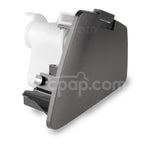
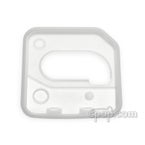
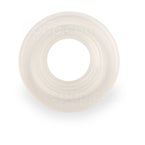
- For System One Series Machines
- Prevents Moisture From Damaging Seal
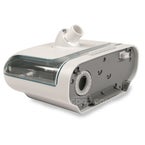
Heated Humidifier
- Adaptive Humidification Auto-Adjusts to Your Needs
- Dry Box Technology Prevents Leaks
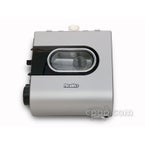
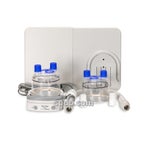
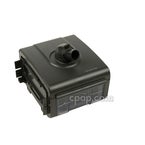
- For System One 60 Series Machines
- Dry Box Technology Prevents Leaks
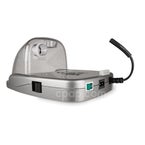
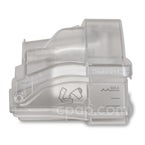
- For AirSense 10, AirStart 10, AirCurve 10 Machines
- Not Dishwasher Safe
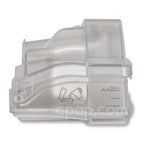
- For AirSense 10, AirStart 10, AirCurve 10 Machines
- Dishwasher Safe
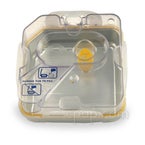
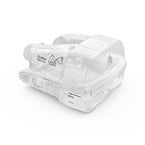
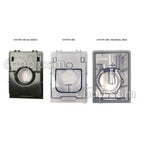
- For System One 60 Series Machines
- Dishwasher Safe
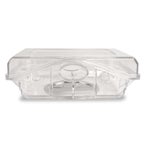
- For DreamStation Series Machines
- Dishwasher Safe
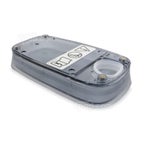
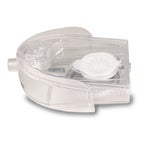
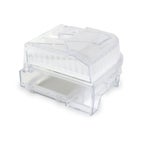


Discover How CPAP Humidifiers Add Comfort to Your Therapy
Learn more about CPAP humidifier maintenance and how a humidifier can improve your therapy experience:
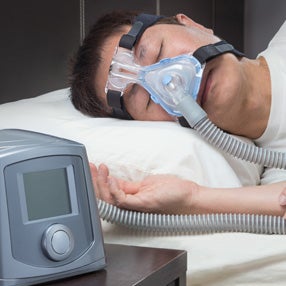
CPAP Humidifier Benefits
Learn how CPAP humidifiers can add another level of comfort to your CPAP therapy and the differences between heated and passover humidifiers.
CPAP Humidifier Guide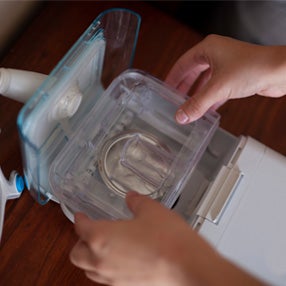
Why Use Heated Humidifiers?
Learn about the many benefits of adding heated humidification to your CPAP therapy for comfort and improved therapy compliance.
CPAP Heated Humidifier Guide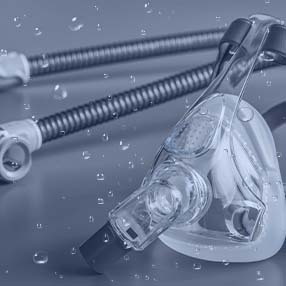
How to Prevent CPAP Rainout
Learn about CPAP rainout and how to minimize it while using your CPAP humidifier for a more comfortable therapy experience.
CPAP Rainout Prevention Guide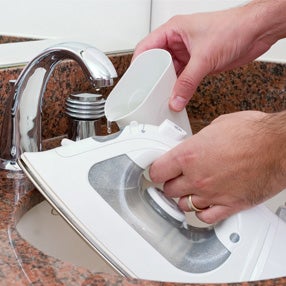
What's the Best CPAP Water?
Discover why distilled water is the best CPAP water to use for your humidifier and cost-effective tips to never run out of water while traveling.
CPAP Water Guide
Solutions for CPAP Dry Mouth
CPAP therapy itself doesn’t lead to mouth dryness, but if you’re experiencing a dry mouth while using CPAP, read these five tips to end dry mouth for good!
CPAP Dry Mouth Solutions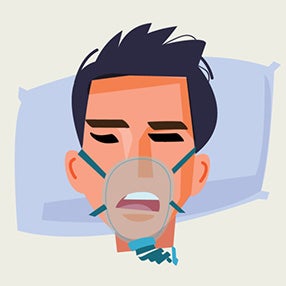
Solutions for CPAP Dry Nose
Learn how to prevent nasal dryness, irritation, and nose bleeds while using your CPAP to treat sleep apnea.
CPAP Dry Nose SolutionsView More Guides
CPAP Humidifier Accessories
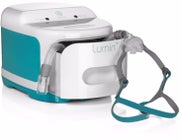
Cleaning Supplies
Preserve Your Health and Equipment
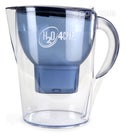
Water Distiller
Save Money And Distill Water At Home
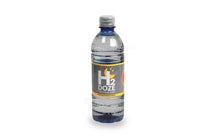
Distilled Water
Enjoy Humidification Anywhere
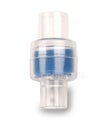
Exchanger (HME)
Try Waterless Humidification
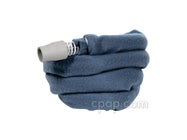
Hose Cover
Avoid Rainout & Add Comfort
Common Questions
What is the benefit of a humidifier? Are the parts easily cleaned and replaced? We've answered a few of the most common questions surrounding CPAP humidifiers below.