- CPAP Masks
- CPAP Machines
- CPAP Supplies
- CPAP Accessories Home Sleep Test
- Blog
Chat with a 5-star expert now!
Chat with a 5-star expert now!
- Home /
- CPAP Supplies /
- CPAP Mask Parts /
- Other Mask Parts
Other CPAP Mask Parts
Sort by 194 items
Filter by
Filter by
Clear
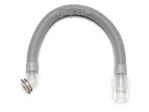
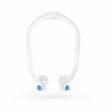
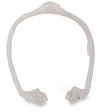
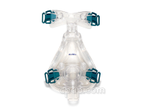
Frame for DreamWear CPAP Masks
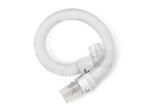
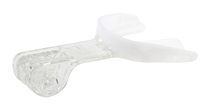
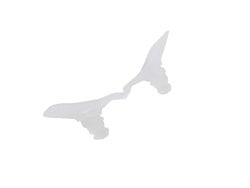
Improved Mouthpiece for TAP PAP Nasal Pillow CPAP Mask
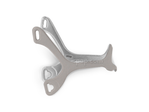
Mask Frame for Wisp Nasal Mask

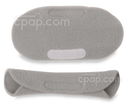
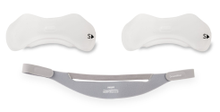
Fabric Wraps for DreamWear Nasal CPAP Mask
Diffuser Filter for Eson™ 2 Nasal CPAP Mask
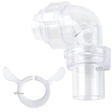
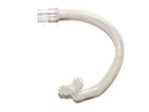
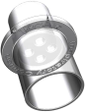
V-Com Inspiratory Comfort for PAP Therapy
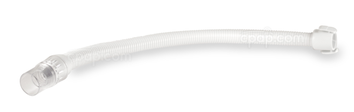
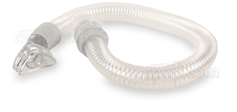
Short Tube for Amara View Full Face CPAP Mask
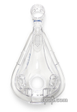
Diffuser for Brevida™ Nasal Pillow CPAP Mask
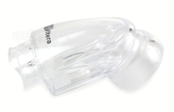
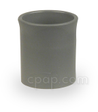
Swivel for Eson Nasal and Simplus Full Face CPAP Mask
Related Categories
Learn About Other CPAP Mask Parts
Keep your CPAP mask in tip-top shape and extend its life with our selection of replacement parts! Sort by brand to easily find your masks' missing components.
Extend the life of your mask
Find out why your mask is leaking
Customer Highlights
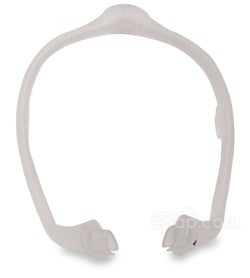
Light Weight
Comfortable with air hose attaching to the top of the frame. Easy to turn in bed.
Verified Purchase 2020-10-09
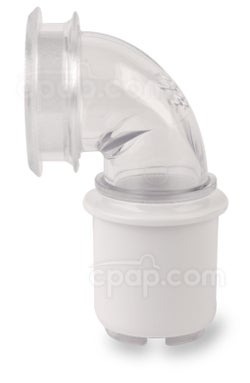
Very Happy
Very happy that I can finally use the DreamWear face mask
Verified Purchase 2018-03-21
Healthier Sleep
Filters provide a healthier sleep environment and that makes for a happier me.
Verified Purchase 2018-11-13
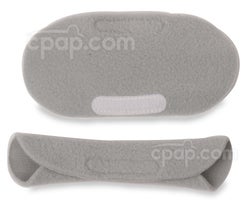
Great addition to my CPAP headgear
After I got these fabric wraps, I do not have to worry about strap line indentations on my face while I am getting ready for work. The price is high but I feel they are worth it.
Verified Purchase 2018-10-03
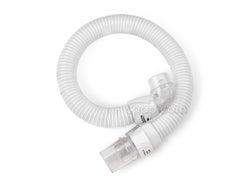
Wisp Elbow Tube
This piece is flexible and easy to use with no funky smell that lasts long when it is newly attached. Lasts a long time without worry of breaking.
Verified Purchase 2016-01-30
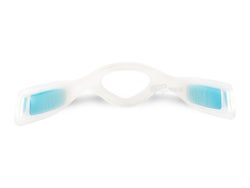
Exactly What I Needed
As it turned out, this was the exact product I needed. Perfect fit and all.
Verified Purchase 2015-07-16
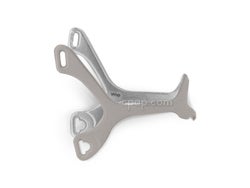
Silicone Rubber Mask
Thanks for the great product! I have had trouble with the "fabric" ones and they always seemed to tear around the nasal cushion, but this one is more durable and actually feels better on the face. I will definitely purchase again! Thanks again CPAP.com!
Verified Purchase 2019-11-04
Part Came Sealed, All Looks Good
Everything was in order, great dealing with you all again. This was my second order and everything was just fine. Thank you. The products I ordered were just as expected - great! I won't hesitate to use you again.
Verified Purchase 2019-11-15
Show 5 More