- CPAP Masks
- CPAP Machines
- CPAP Supplies
- CPAP Accessories Home Sleep Test
- Blog
Chat with a 5-star expert now!
Chat with a 5-star expert now!
- Home /
- CPAP Accessories /
- Hose Comfort /
- Pur-Sleep
Orders ships today if placed within
7 hrs 31 minsGet Your Sleep Back
Setup is easy & takes minutes

Orders ship within hours (M-F)

Resupply items set to autopilot
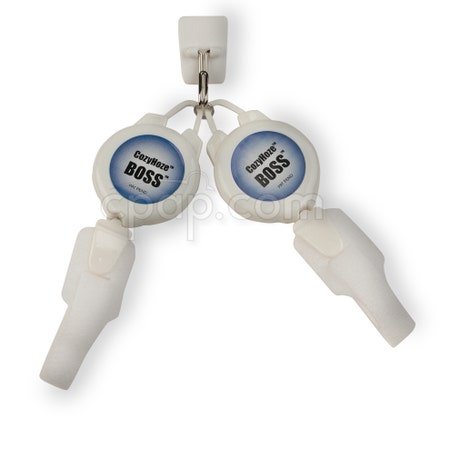
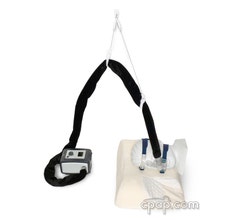
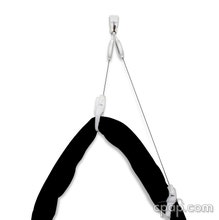


CozyHoze BOSS Hose Management
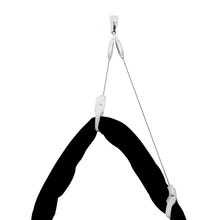
Your CPAP hose doesn’t have to interfere with your sleep! Use the wall-mounted CozyHoze BOSS Hose Management System to securely suspend your hose up and away from you while you sleep.
Learn More About the CozyHoze BOSS Hose Management System:
- Increased Range of Motion and Fewer Mask Leaks
- Small and Very Easy to Use
- Ideal for Active Sleepers
CozyHoze BOSS Hose Management
Your CPAP hose doesn’t have to interfere with your sleep! Use the wall-mounted CozyHoze BOSS Hose Management System to securely suspend your hose up and away from you while you sleep.
Learn More About the CozyHoze BOSS Hose Management System:
- Increased Range of Motion and Fewer Mask Leaks
- Small and Very Easy to Use
- Ideal for Active Sleepers
The CozyHoze BOSS Hose Management is Right for You!
What's included*
- • One CozyHoze BOSS Hose Management System
* Does not include select added accessories
Learn More About This Product
Historically, a standard CPAP hose is six feet long, has an internal diameter of 19mm and a connector cuff with an internal diameter of 22mm. Today some hoses are 6 feet long, others are 4 foot long, 8 foot long and 10 foot long. Some hoses have an internal diameter of 19mm (standard) and others have an internal diameter of 15mm (thin or slim style). To use a slim 15mm hose, the machine must have a menu option setting to accept the narrower diameter of a 15mm hose and still deliver the prescribed pressure to the mask to ensure effective therapy.
All hoses have a 22mm connection cuff and fit on all CPAP masks. The connection ports on all CPAP, APAP and BiLevel machines, humidifiers, and masks are a standard size, so a standard CPAP hose will fit on all. Some of the very small machines use a hose adapter between the machine and the 22mm cuff of the hose.
Some manufacturers offer a heated hose option designed to work only with their machines. To read more about heated hoses see the "What is a heated CPAP hose?" article included in this FAQ section.
A few auto-titrating CPAPs and BiLevels require a pressure line sensor to detect breathing patterns and pressure needs. The sensor may be in the form of an adapter with narrow tubing attached or the narrow tubing is threaded inside the six foot hose. In both cases, one end of the narrow tubing is plugged into the machine. Those machines will not operate without the pressure line sensor.
Solutions to rainout include raising the temperature of your bedroom, insulating your tubing with a Snugglehose, or purchasing a CPAP machine with an integrated heated hose.
Signs of wear include dry, cracked places on the inside lining or on the rubber ends; "stretch marks" near the rubber ends; mineral deposits or mold from water left inside the hose; or a visible puncture or tear in the material.
There are a few ways to keep from getting tangled up in your CPAP tubing. Try running your CPAP hose behind the headboard of your bed. Also, there are several types of suspension systems we carry here at CPAP.com. You can see the different types of Hose Management Systems under our Comfort & Cleaning section. One example is the HoseBuddy Tangle Free CPAP Hose Suspension System:
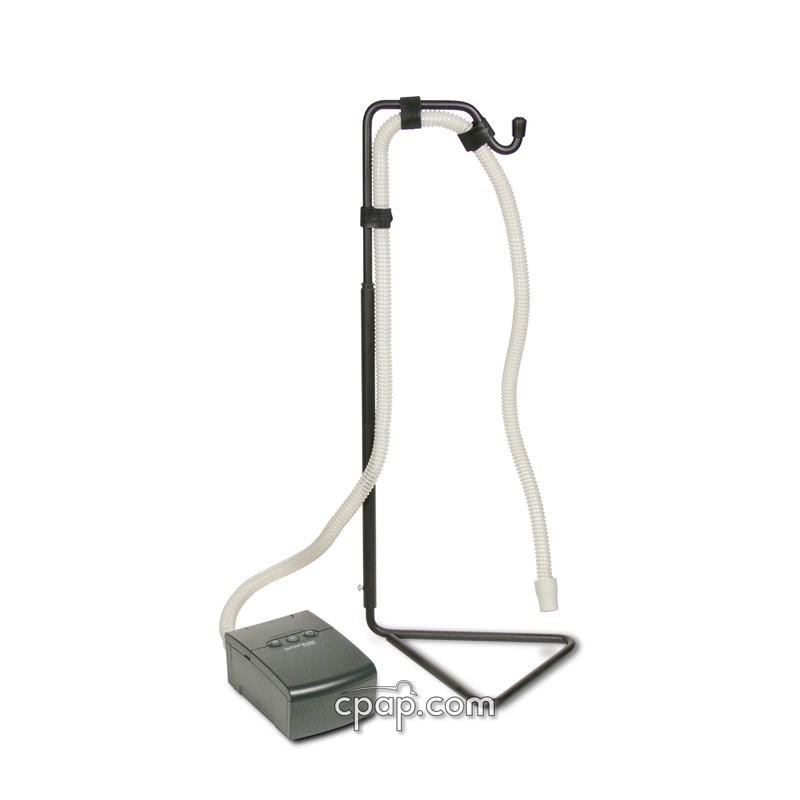
Here are some items we recommend that may help with hose comfort:
CPAP Hose Lift
HoseBuddy
Tube Management Clip
+ See More
Frequently Bought Together
Pad A Cheek CPAP Mask Strap Pads (1 Pair)
Oracle HC452 Oral CPAP Mask
Zopec Explore 8000 - Backup Battery with Online UPS
CPAP.com 100% Price Protection Guarantee
When you shop with us, we want you to be confident that you are receiving the best available price. If this items goes on sale or you spot an online or retail competitor with a lower price within seven days of your purchase, let us know, and we will credit you the difference.
"Super helpful, fast shipping, friendly assistance, great selection, I love this company."
- Verified Customer, 10/25/22
(39)
Read Reviews
Need a personal touch?

Chat with CPAP
Questions about a product or an existing order? Start a chat and let us help you out.
Start a chat



Customer Reviews
See what other customers are saying.
Great product
Cozy Hose Boss Hose Mgmt System
Nice!
Works well
Meh
Nice
Customers Also Viewed
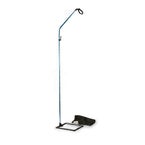
CPAP Hose Lift System for Travel and Home
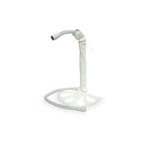
SleepStick CPAP Hose Holder with Under-Pillow Base
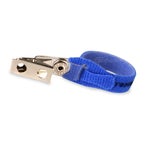
Tube Management Clip
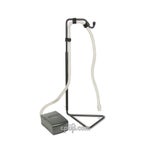
HoseBuddy Tangle Free CPAP Hose Suspension System
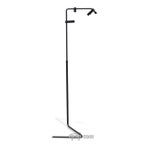
Travel HoseBuddy Tangle Free CPAP Hose Suspension System
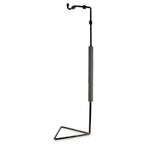
HoseBuddy Plus Tangle Free CPAP Hose Suspension System
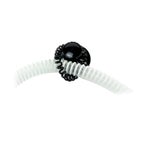
CPAPology Jack CPAP Tube Holder
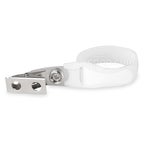
Clip for CPAP Hoses, Tubing and Bedding
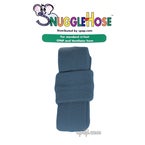
SnuggleHose Cover (For 10 Foot Hose)
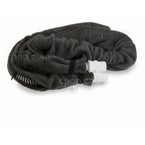
Zippered SnuggleHose Cover (For 6 Foot Hose)
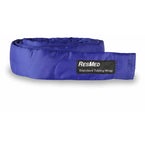
ResMed Zippered Tubing Wrap
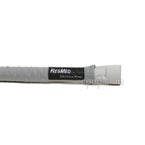
Tubing Wrap for AirSense™ 10, AirStart™ 10, AirCurve™ 10, and S9 Series SlimLine™ Tubing
NeilMed Sinus Rinse Regular Kit
SnuggleHose Cover for Short Mask Tubes

PurSleep CPAP Aromatherapy 30ml Refill - Fresh