My Favorite Mask
July 01, 2009
(5 out of 5) by Janet K, Overland Park, KS
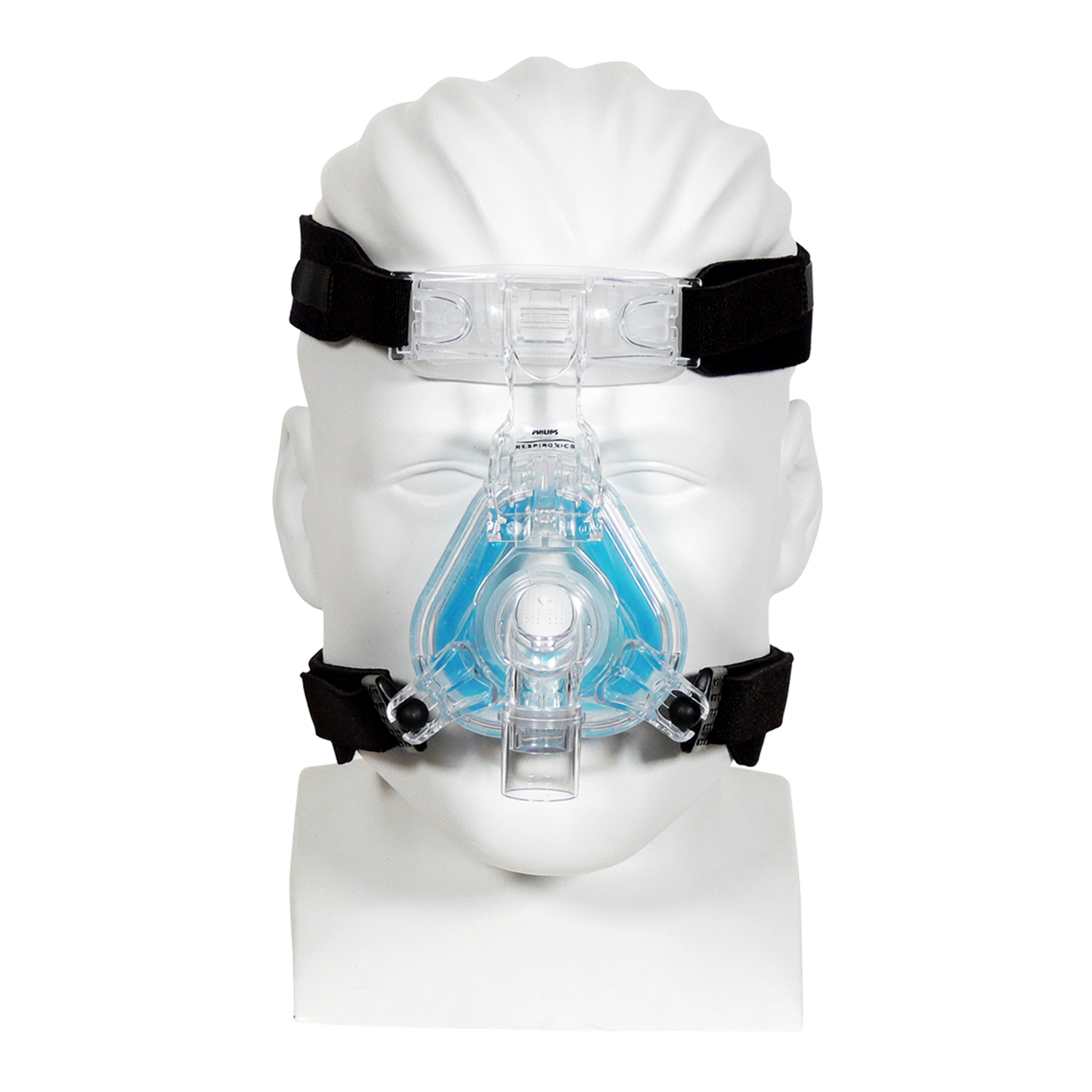
"The ComfortCurve nasal mask is my favorite of all. It took about four nights to get used to it because every time I turned my head I would lose my seal. Now when I put it on, it seals immediately and stays that way. It is very comfortable to wear and leaves no marks on my face at all. The head gear doesn't totally destroy my hairstyle either, so that is a plus. I recommend it to anyone who is willing to work with it for a few nights and find all of the different ways to adjust it. Once you do, I think it will be your favorite too."
|
Many small improvements
June 20, 2009
(5 out of 5) by Brian
"This is my second ComfortCurve mask, and without changing the basic product design, Respironics has managed to eliminate all of the little leaks and and annoyances that really kept it from being a top notch product.
What I always liked about the mask is that the under the nose design allows unobstructed vision for reading, there's nothing to irritate the bridge of the nose, and it stays put in a wider variety of sleeping positions. As others have mentioned, it does take a while to figure out how to adjust the mask properly, but once you do it's easy to use and doesn't require much maintenance. When positioned properly, it creates a solid seal without any leaking.
While the old version produced a good seal around the nose, that was about the only thing the didn't leak. Every joint and hose connection leaked and made lots of noise. The advantages of the mask still made it a better deal than the ones I'd used previously, but having to position pillows so as not to hear the leaking was frustrating. That's all fixed, and the new mask is completely silent.
I'd definately recomend the ComfortCurve mask, but be prepared to spend a little time getting it adjusted."
|
Great Mask
June 18, 2009
(5 out of 5) by James O, Amarillo, TX
"Got this mask because of the comparison chart and a desperate desire to remove the painful wound on the bridge of my nose caused by other masks (no matter how lightly the straps were adjusted).
This thing is great! Easy to setup and adjust. Slept the whole night through the first night with no leaks. The outlet holes blow down and away which is a huge improvement over the others.
Ordered a second just in case....that's how much I like it!"
|
Don't waste your money
May 29, 2009
(1 out of 5) by Carlos A, TX
"This mask fits very poorly, it is noisy and leaky even at low pressure. It leaves marks on your cheeks and nose. I do not recommend it at all. Don't waste your money with this one, try a more traditional type of mask."
|
It's a nasal pillow not a Mask
May 27, 2009
(5 out of 5) by Regis B, DE
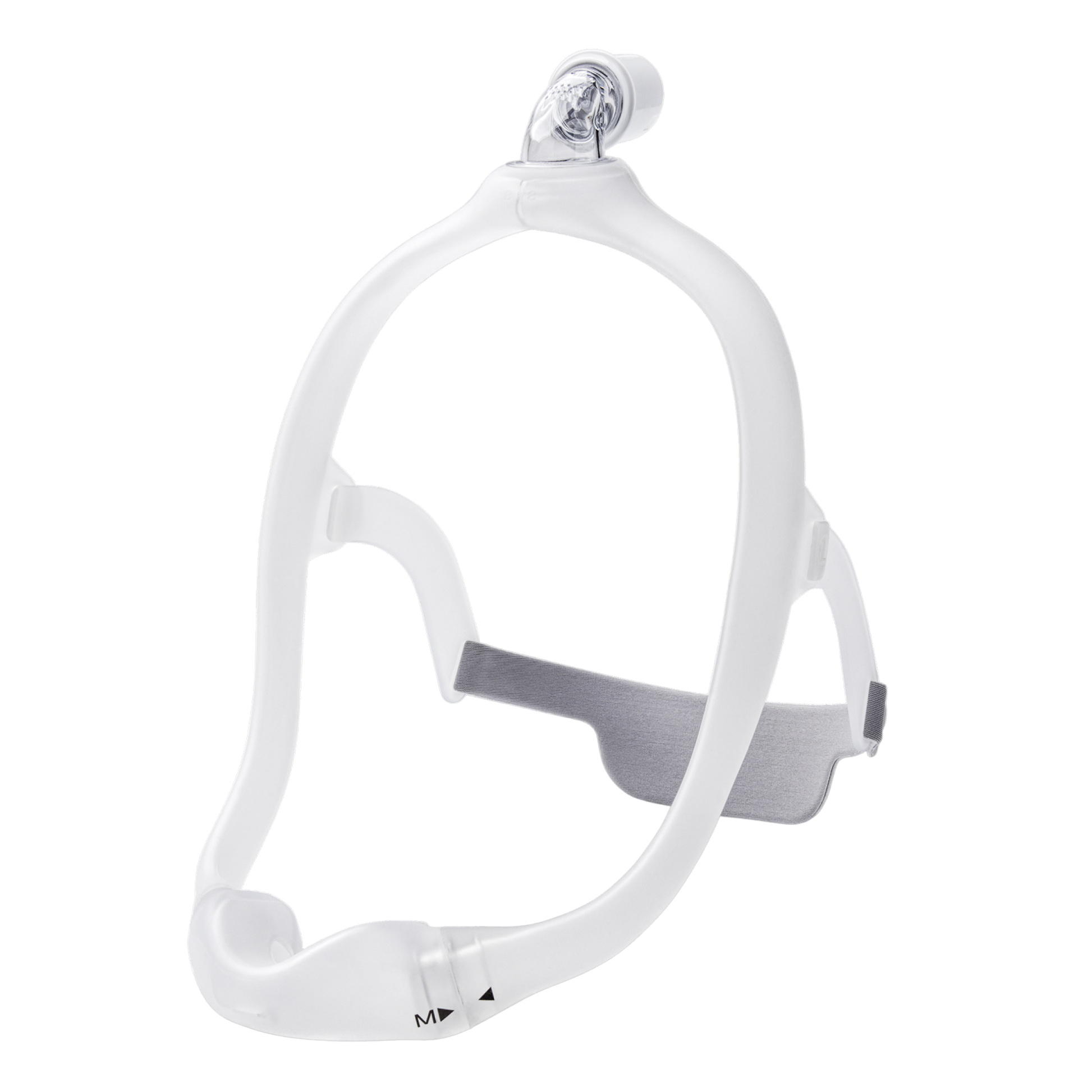
"If you look at the reviews of this headgear, you will find that there is a very polarized set of evaluations. Either people love it or they hate it. The reason is that you can’t treat a nasal pillow like a mask, and using a mask sealing approach will fail miserably. Until you discover the secret of how to get a seal with the pillow it will seem to be a worthless contraption. On the other hand once you discover the secret, it is like a feather touch with a fantastically tight seal.
I have years of experience with both conventional masks, and the nasal pillow. Now that I have learned how to make the nasal pillow work, I will never go back to a mask. The problem is that the learning curve is high since what you learned about making masks work will cause the nasal pillows to fail.
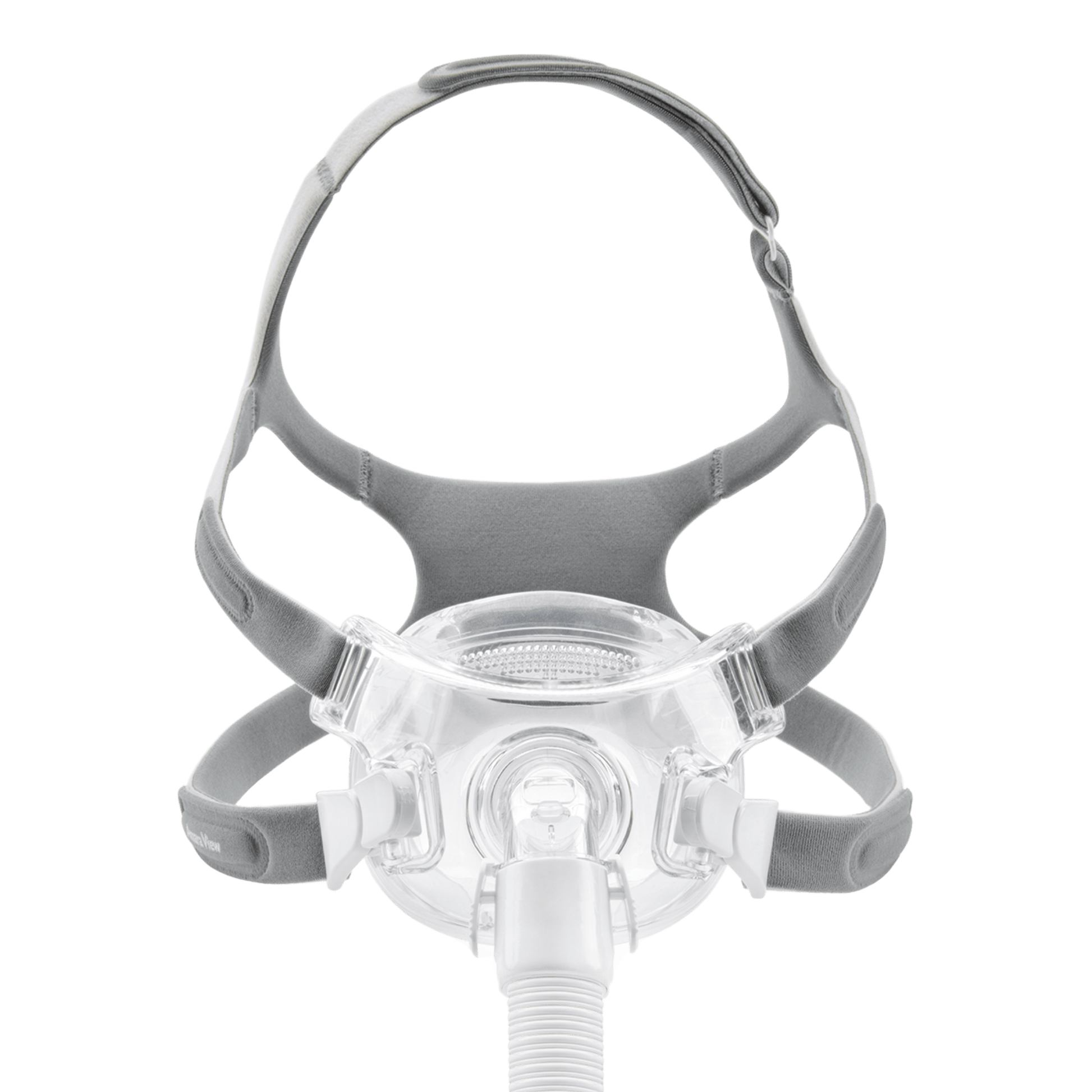
When you use a mask, you need tight headgear, and something to ease the edge area where the seal is made. Masks are designed to cover the entire nose. I found that the large circumference of the mask could leak anywhere along the periphery depending upon how I laid, and which the direction the air hose was pulling. The usual fix is to tighten the head strap until the leaks disappear. The higher the CPAP pressure the more difficult this is.
Using a nasal pillow is a mechanically very different sealing process. The pressure causes the thin rubber of the nasal pillow to conform to the UNDERSIDE of the nose. The nasal pillow will not work if you try to bury the tip of your nose in the pillow. The second part is that the nasal pillow doesn’t seal with pressure against the face, but a light pressure pushing up under the nose. The head gear rides higher on the head, and exerts an upward pull. If you put too much pressure on the pillow you collapse it and the seal will not be made. In my experience the higher the CPAP pressure, the better the pillow conforms to the shape of your nose, and the better the seal.
I learned how to fit the pillow to my face by unclipping the head strap, and just holding the pillow in different positions. You will discover that a surprising tight seal occurs when you have a light to medium pressure pushing the pillow up under your nose. As you change position and force, you can quickly find conditions which achieve robust seals with a surprising low force. You will also find that pushing harder always breaks the seal.
The other part of the adjustment is aligning the cheek pads. These act like an anchor to the mask so that the angular pull of the head strap is transformed into more of an upward pull. Again the seal of the nasal pillow is up against the nose, not inward towards the face.
The end result is that my spouse loves how much quieter my nasal pillow headgear is in use. I like the lower weight. Also I don’t miss the red outline of a mask in the morning.
Good luck, and patience with learning how to make the pillow work for you."
|