- CPAP Masks
- CPAP Machines
- CPAP Supplies
- CPAP Accessories Home Sleep Test
- Blog
Chat with a 5-star expert now!
Chat with a 5-star expert now!
- Home /
- CPAP Accessories /
- Soft Touch /
- SnuggleHose
Order ships next business day
Get Your Sleep Back

Setup is easy & takes minutes

Orders ship within hours (M-F)

Resupply items set to autopilot
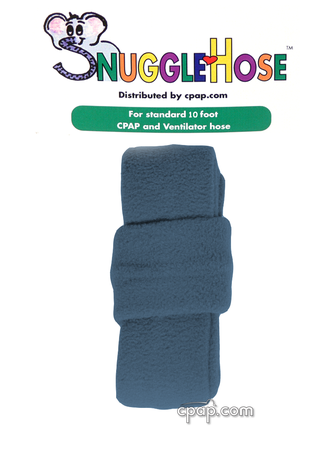
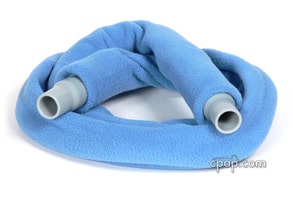
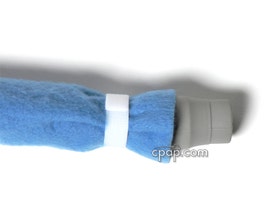
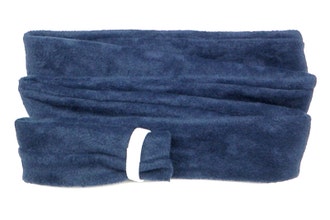


SnuggleHose Cover for 10ft Hose
A ten-foot CPAP hose affords you the freedom and flexibility to move around (or sleep in the middle of the mattress), but it can make you more susceptible to rainout or skin irritation. With the SnuggleHose Cover (For 10 Foot Hose), you can eliminate condensation build-up and minimize sleep disruptions.
Learn More About the SnuggleHose Cover (For 10 Foot Hose):
- Makes Wearing a CPAP Mask More Comfortable and Can Improve Your Sleep Therapy Compliance
- Ideal For Active Sleepers: Enhances Range of Motion While You Snooze
The shade of your SnuggleHose cover may vary slightly, but the color of the product does not impact its performance.
SnuggleHose Cover for 10ft Hose
A ten-foot CPAP hose affords you the freedom and flexibility to move around (or sleep in the middle of the mattress), but it can make you more susceptible to rainout or skin irritation. With the SnuggleHose Cover (For 10 Foot Hose), you can eliminate condensation build-up and minimize sleep disruptions.
Learn More About the SnuggleHose Cover (For 10 Foot Hose):
- Makes Wearing a CPAP Mask More Comfortable and Can Improve Your Sleep Therapy Compliance
- Ideal For Active Sleepers: Enhances Range of Motion While You Snooze
The shade of your SnuggleHose cover may vary slightly, but the color of the product does not impact its performance.
The SnuggleHose Cover for 10ft Hose is Right for You!
What's included*
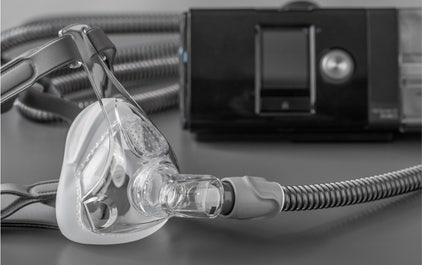
- • One Polyester Fleece SnuggleHose Cover (For 10 Foot Hose)
* Does not include select added accessories
Learn More About This Product
Historically, a standard CPAP hose is six feet long, has an internal diameter of 19mm and a connector cuff with an internal diameter of 22mm. Today some hoses are 6 feet long, others are 4 foot long, 8 foot long and 10 foot long. Some hoses have an internal diameter of 19mm (standard) and others have an internal diameter of 15mm (thin or slim style). To use a slim 15mm hose, the machine must have a menu option setting to accept the narrower diameter of a 15mm hose and still deliver the prescribed pressure to the mask to ensure effective therapy.
All hoses have a 22mm connection cuff and fit on all CPAP masks. The connection ports on all CPAP, APAP and BiLevel machines, humidifiers, and masks are a standard size, so a standard CPAP hose will fit on all. Some of the very small machines use a hose adapter between the machine and the 22mm cuff of the hose.
Some manufacturers offer a heated hose option designed to work only with their machines. To read more about heated hoses see the "What is a heated CPAP hose?" article included in this FAQ section.
A few auto-titrating CPAPs and BiLevels require a pressure line sensor to detect breathing patterns and pressure needs. The sensor may be in the form of an adapter with narrow tubing attached or the narrow tubing is threaded inside the six foot hose. In both cases, one end of the narrow tubing is plugged into the machine. Those machines will not operate without the pressure line sensor.
A heated CPAP hose contains copper coils embedded in, or wrapped around, the hose. These coils are gently heated to conduct a constant temperature throughout the length of the hose. This enhances the comfort of the therapy and reduces or eliminates rainout caused by the water condensing as it travels through the hose to the mask.
Heated hoses are more expensive alternatives to cloth tubing insulation, but they prevent rainout in nearly all cases. The Hybernite Rainout Control System is a stand alone option that can be used with any machine to prevent rainout and increase delivered humidification.
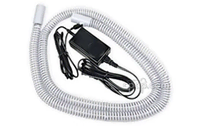
Some manufacturers have developed heated hoses to work specifically with select machines in their product lines. The ClimateLineAir™ Heated Tube for AirSense™ 10 and AirCurve™ 10 Machines is an example of a heated hose used by the AirSense™ 10 and AirCurve™ 10 Machines.
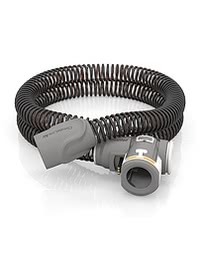
Here are some heated hoses we carry:
ClimateLine™ Tubing for S9™ and H5i™ Climate Control System
Companies such as Snugglehose provide a cost effective tubing insulation available in several colors and styles. Not only will the covers reduce or eliminate rainout, they also provide a more personal and less institutionalized appearance. An example of a Snugglehose is shown below.
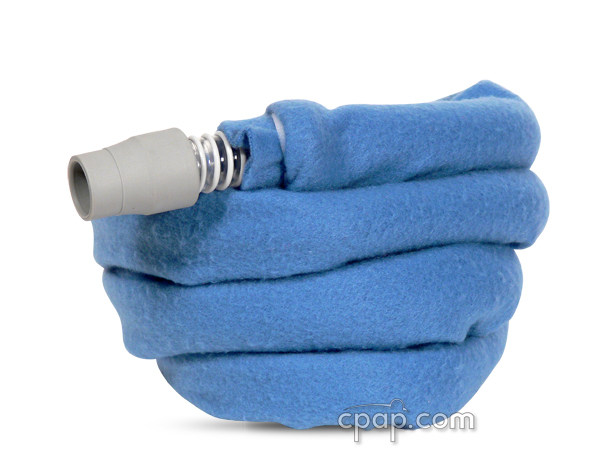
Here are some hose covers we carry:
Tubing Wrap for AirSense™ 10, AirCurve™ 10, and S9 Series SlimLine™ Tubing
Respironics Insulated Hose Cover
ResMed Zippered Tubing Wrap
+ See More
Solutions to rainout include raising the temperature of your bedroom, insulating your tubing with a Snugglehose, or purchasing a CPAP machine with an integrated heated hose.
Your CPAP hose will last longer if it is detached every morning and hung to air dry.
Drying the hose each morning will also prevent bacteria from growing in the damp interior and help reduce the possibility of colds and other health issues. Remember, what is in the hose goes into the airway.
If you are not drying the hose daily, then be sure to replace the hose very frequently as negative health issues will result!
Hose care tips:
- Remove the hose by gripping the end or cuff, not the hose itself
- Hang the hose to dry after each use
- Wash hose weekly to avoid residue and maintain health
- Protect the hose from curious pets
Hose care tools:
- A Hose Quick Connect helps the tube to easily disconnect from the humidifier
- Purdoux Mask and Hose Soap is specially formulated mild soap designed to clean a CPAP hose and mask.
- The Tube Cleaning System is a tube care kit to rinse, soak and dry the hose.
- The CPAP Tube Brush Second Gen is used to scrub the inside of a tube. It is available for both slim line and standard diameter hoses.
- The Republic of Sleep Hose Cover wraps the length of the tube in soft fleece material. Although its intention is to help reduce rainout (water collecting in the tube) many CPAP users report it deters pets from using the hose as a chew toy.
- + See More
Signs of wear include dry, cracked places on the inside lining or on the rubber ends; "stretch marks" near the rubber ends; mineral deposits or mold from water left inside the hose; or a visible puncture or tear in the material.
There are a few ways to keep from getting tangled up in your CPAP tubing. Try running your CPAP hose behind the headboard of your bed. Also, there are several types of suspension systems we carry here at CPAP.com. You can see the different types of Hose Management Systems under our Comfort & Cleaning section. One example is the HoseBuddy Tangle Free CPAP Hose Suspension System:
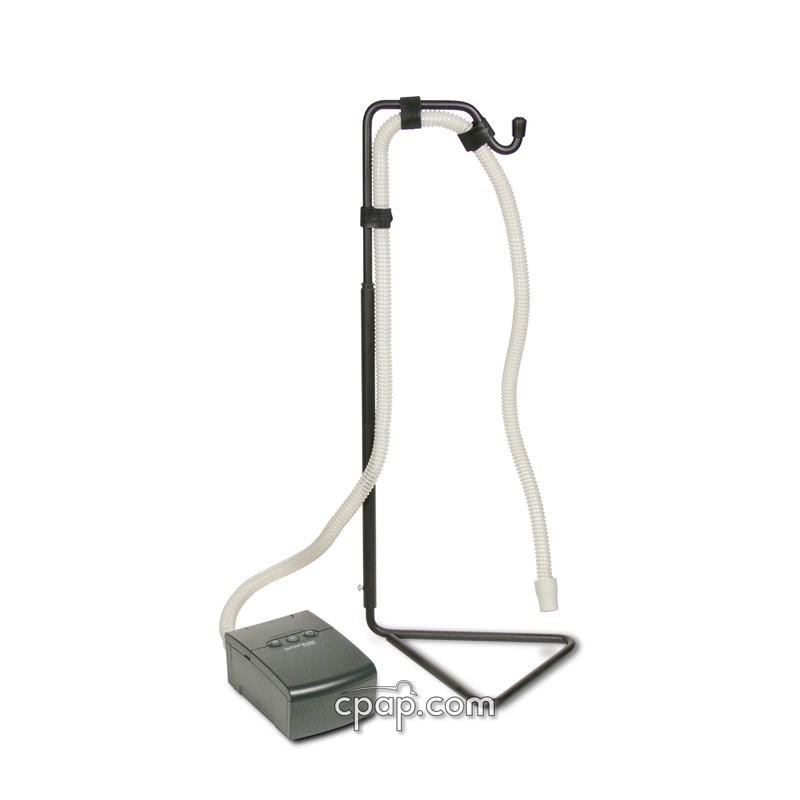
Here are some items we recommend that may help with hose comfort:
CPAP Hose Lift
HoseBuddy
Tube Management Clip
+ See More
Frequently Bought Together
Nasal Pillows for AirFit™ P10 Nasal Pillow Mask
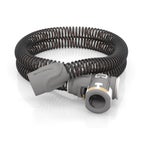
ClimateLineAir™ Heated Tube for AirSense™ 10 and AirCurve™ 10 Machines
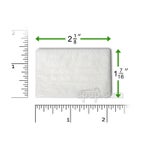
Disposable Hypoallergenic Filters for AirSense™ 10, AirStart™ 10, AirCurve™ 10, and S9 Series CPAP Machines (6 pack)
Disposable Fine Filter for DreamStation Machines - 6 Pack (Replacement for Light Blue Disposable Filter)
Reusable Filter for DreamStation Machines - 2 Pack (Replacement for Dark Blue Reusable Filter)
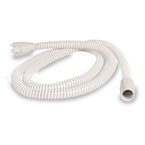
Heated Tube for DreamStation CPAP Machines
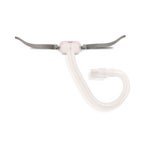
AirFit™ P10 Nasal Pillow CPAP Mask Assembly Kit
CPAP.com 100% Price Protection Guarantee
When you shop with us, we want you to be confident that you are receiving the best available price. If this items goes on sale or you spot an online or retail competitor with a lower price within seven days of your purchase, let us know, and we will credit you the difference.
"Super helpful, fast shipping, friendly assistance, great selection, I love this company."
- Verified Customer, 10/25/22
(106)
Read Reviews
Need a personal touch?

Chat with CPAP
Questions about a product or an existing order? Start a chat and let us help you out.
Start a chat



Customer Reviews
See what other customers are saying.
This makes my hated CPAP hose less evil!
long
Very nice product.
EXTREMELY Poor Quality
Don't CPAP without this!
Snuggle hose cover
Customers Also Viewed
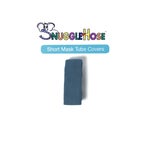
SnuggleHose Cover for Short Mask Tubes
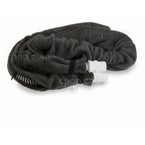
Zippered SnuggleHose Cover (For 6 Foot Hose)
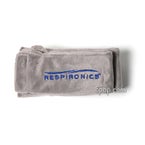
Respironics Insulated Hose Cover (For 6 Foot Hose)
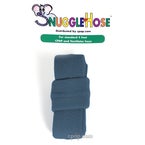
SnuggleHose Cover Blue (For 8 Foot Hose)
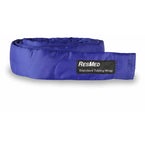
ResMed Zippered Tubing Wrap
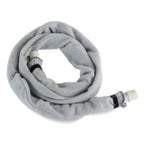
Republic of Sleep CPAP Hose Cover
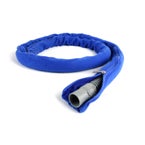
Tender Tubing CPAP Tubing Cover
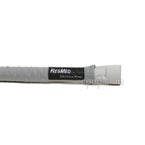
Tubing Wrap for AirSense™ 10, AirStart™ 10, AirCurve™ 10, and S9 Series SlimLine™ Tubing
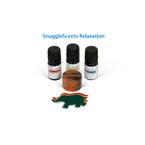
SnuggleScents Relaxation Pack
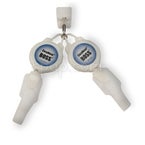
CozyHoze BOSS Hose Management System
CPAP Hose Lift System for Travel and Home
SnuggleScents Essentials
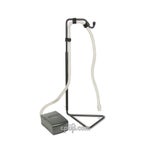
HoseBuddy Tangle Free CPAP Hose Suspension System
CPAP Aromatherapy Basic Starter Pack (Pur-Sleep)
SnuggleCover Set for Swift™ FX Bella Headgears