- CPAP Masks
- CPAP Machines
- CPAP Supplies
- CPAP Accessories Home Sleep Test
- Blog
Chat with a 5-star expert now!
Chat with a 5-star expert now!
- Home /
- CPAP Supplies /
- CPAP Hoses (Tubing) /
- Couplers-Connectors /
- AG Industries
Sorry, this item is no longer available.
Get Your Sleep Back
Setup is easy & takes minutes

Orders ship within hours (M-F)

Resupply items set to autopilot
Item # AG1422
Not currently in stock


Learn More About This Product
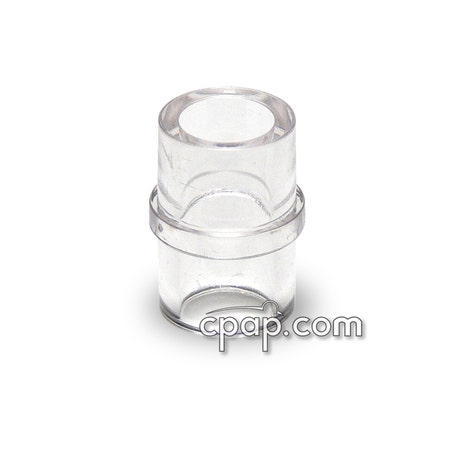
Machine to Mask Hose. A hose is connected to the air outlet of either the machine or humidifier and it connects to the CPAP mask to deliver the airflow to the mask. In the past, the hose used to connect a machine to mask was a standard size. Today, there are a number of different hose options. There are three types of machine to mask hoses:
- Standard / Performance Hose: A long hose or tube is included with each CPAP / BiLevel machine purchase. The connections on all CPAPs, humidifiers and masks are a standard size, so a standard CPAP hose will fit on all. Standard hoses are also available in 8 foot and 10 foot sizes. There are lighter hoses available that were designed to be more flexible and put less pull on the CPAP mask.
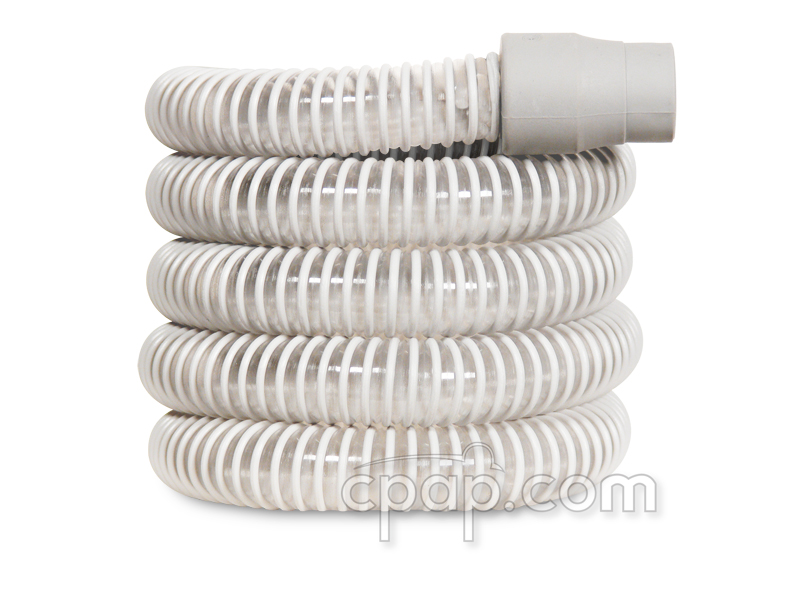
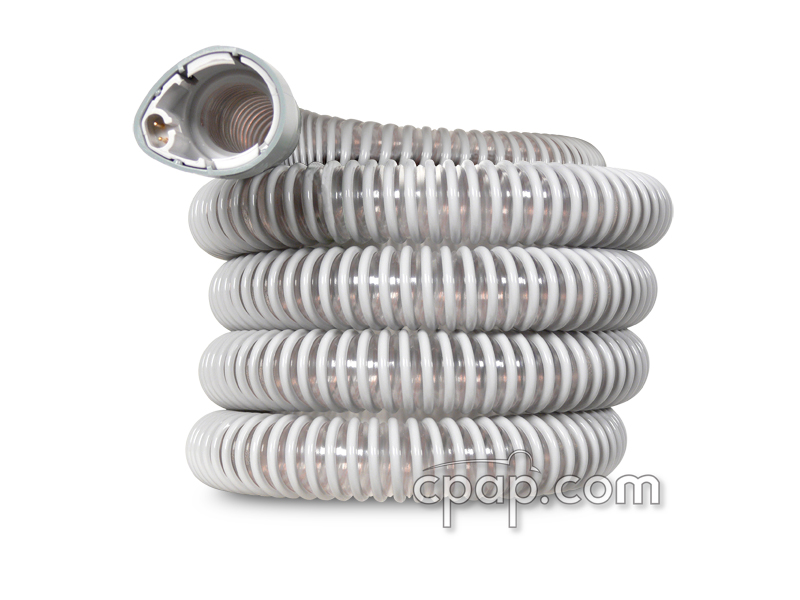
- Heated Hose: A heated CPAP hose contains copper coils embedded in or wrapped around the length of the hose. These coils conduct a constant temperature through the hose. The majority of heated hoses are specific to the machine.
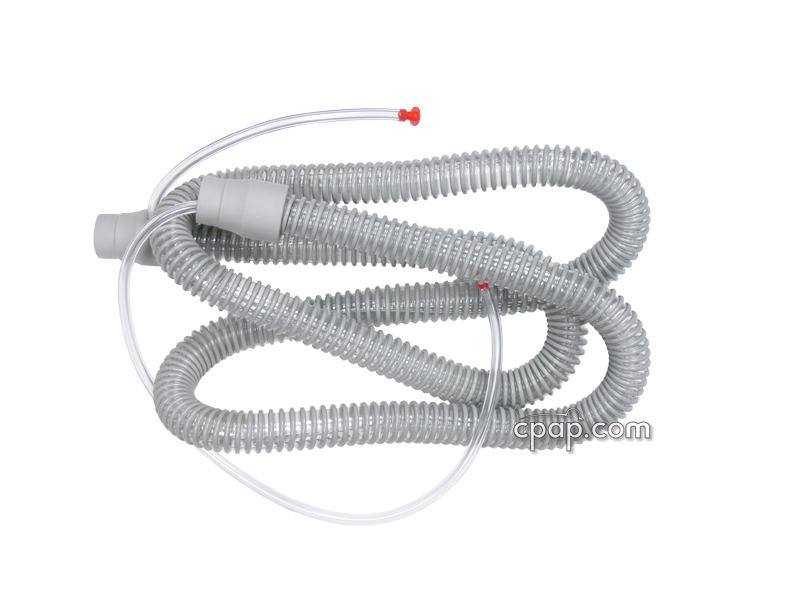
- Hose with Sensor Line: A few auto-titrating CPAPs and Bilevels require a pressure line sensor fitted into the hose to detect breathing patterns and pressure needs but the majority of those machines are no longer in production. (Machines which use the tubing pictured below have been discontinued by the manufacturer.)
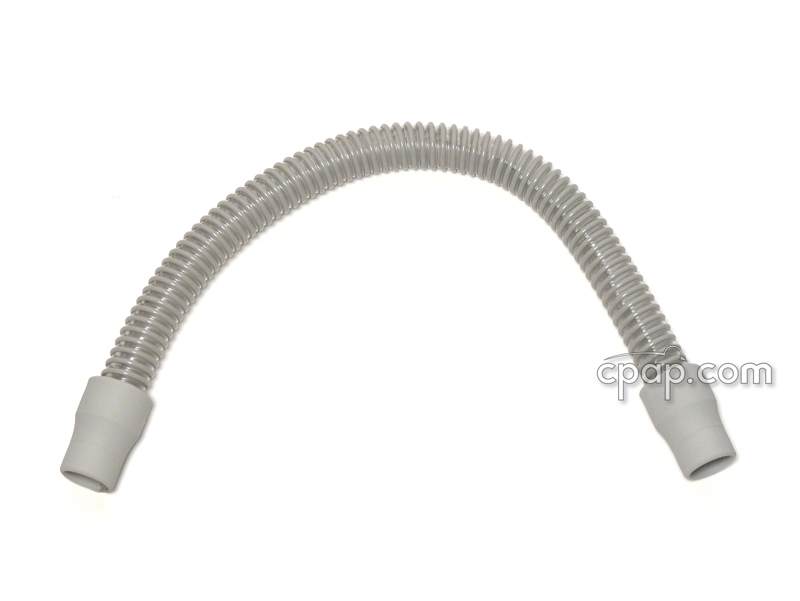
Humidifier Hose. Humidifier hoses connect a CPAP or BiLevel machine to a stand alone humidifier. Humidifier hoses are shorter than standard hoses. They come in either 18 or 24 inch lengths.
Historically, a standard CPAP hose is six feet long, has an internal diameter of 19mm and a connector cuff with an internal diameter of 22mm. Today some hoses are 6 feet long, others are 4 foot long, 8 foot long and 10 foot long. Some hoses have an internal diameter of 19mm (standard) and others have an internal diameter of 15mm (thin or slim style). To use a slim 15mm hose, the machine must have a menu option setting to accept the narrower diameter of a 15mm hose and still deliver the prescribed pressure to the mask to ensure effective therapy.
All hoses have a 22mm connection cuff and fit on all CPAP masks. The connection ports on all CPAP, APAP and BiLevel machines, humidifiers, and masks are a standard size, so a standard CPAP hose will fit on all. Some of the very small machines use a hose adapter between the machine and the 22mm cuff of the hose.
Some manufacturers offer a heated hose option designed to work only with their machines. To read more about heated hoses see the "What is a heated CPAP hose?" article included in this FAQ section.
A few auto-titrating CPAPs and BiLevels require a pressure line sensor to detect breathing patterns and pressure needs. The sensor may be in the form of an adapter with narrow tubing attached or the narrow tubing is threaded inside the six foot hose. In both cases, one end of the narrow tubing is plugged into the machine. Those machines will not operate without the pressure line sensor.
Solutions to rainout include raising the temperature of your bedroom, insulating your tubing with a Snugglehose, or purchasing a CPAP machine with an integrated heated hose.
Signs of wear include dry, cracked places on the inside lining or on the rubber ends; "stretch marks" near the rubber ends; mineral deposits or mold from water left inside the hose; or a visible puncture or tear in the material.
There are a few ways to keep from getting tangled up in your CPAP tubing. Try running your CPAP hose behind the headboard of your bed. Also, there are several types of suspension systems we carry here at CPAP.com. You can see the different types of Hose Management Systems under our Comfort & Cleaning section. One example is the HoseBuddy Tangle Free CPAP Hose Suspension System:
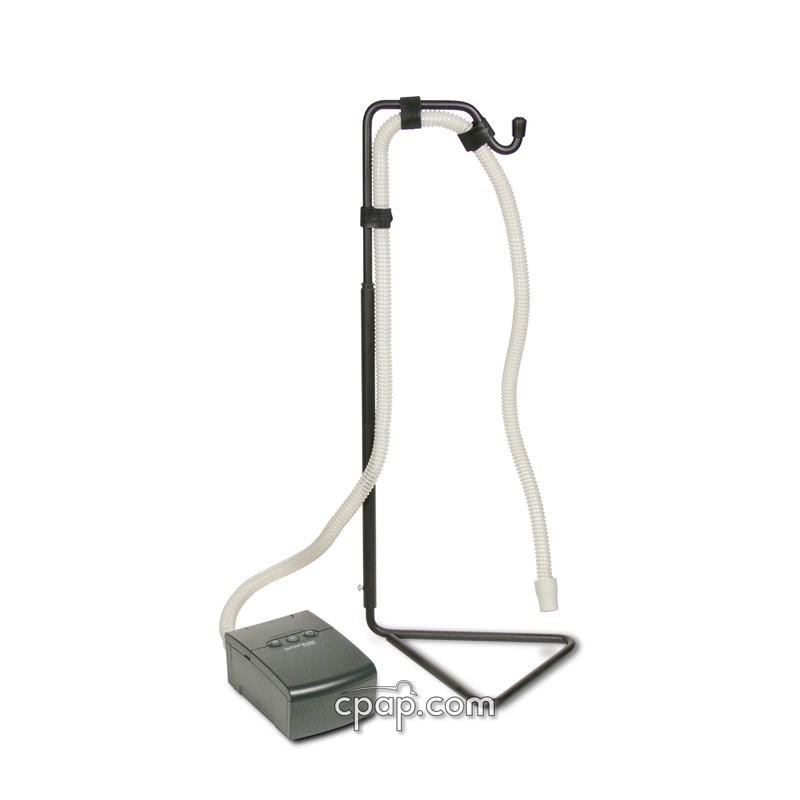
Here are some items we recommend that may help with hose comfort:
CPAP Hose Lift
HoseBuddy
Tube Management Clip
+ See More
CPAP.com 100% Price Protection Guarantee
When you shop with us, we want you to be confident that you are receiving the best available price. If this items goes on sale or you spot an online or retail competitor with a lower price within seven days of your purchase, let us know, and we will credit you the difference.
"Super helpful, fast shipping, friendly assistance, great selection, I love this company."
- Verified Customer, 10/25/22
(46)
Read Reviews
Need a personal touch?

Chat with CPAP
Questions about a product or an existing order? Start a chat and let us help you out.
Start a chat



Customer Reviews
See what other customers are saying.
This is the best nose pad I have found .
Reduces the mask leaks, fits the nose bridge well.
It is very pricey. Paying 30% more than 1 year ago
Quick and easy
Robust and well made.
connector
coupler
Recent order
Customers Also Viewed
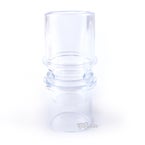
CPAP Hose Coupling Swivel Adapter
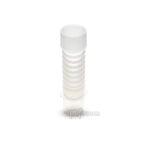
FlexiTube Angle Adapter for CPAP and BiPAP Machines
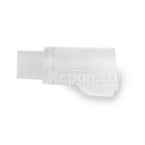
Transcend Universal Hose Adapter
Tubing Elbow Adapter for CPAP and BiPAP Machines
Ultra Mirage™ Full Face Mask Detachable Swivel
Air Outlet Tube Coupler and Retainer Clip for S9™ Series H5i™ Heated Humidifier
Hose Elbow for AirSense™, AirStart™ and AirCurve™ 10 CPAP Machines
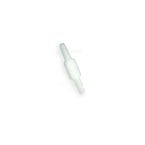
Swivel Connector for Oxygen Tubing
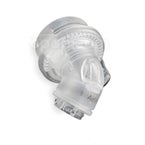
ResMed AirMini™ Mask Connector
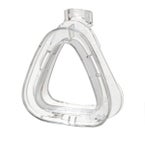
Transcend Mask Adapter Ring
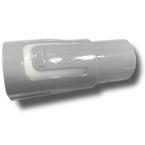
Zephair AirMini Universal Adapter - Use Any Mask!
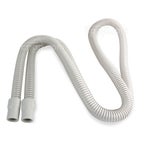
Standard CPAP Hose | 6 FT Long Tube with 22mm Cuffs
F&P Evora Full Face Mask Replacement Cushion
Luna II QX and Luna II Replacement Humidifier Chamber