- CPAP Masks
- CPAP Machines
- CPAP Supplies
- CPAP Accessories Home Sleep Test
- Blog
Chat with a 5-star expert now!
Chat with a 5-star expert now!
- Home /
- CPAP Supplies /
- CPAP Filters /
- Disposable Filters /
- Generic

Disposable White Fine Filters for Respironics Duet LX, Bipap Pro, Synchrony, Synchrony-ST, and Harmony (6 Pack)
Orders ships today if placed within
4 hrs 43 minsGet Your Sleep Back
Setup is easy & takes minutes

Orders ship within hours (M-F)

Resupply items set to autopilot
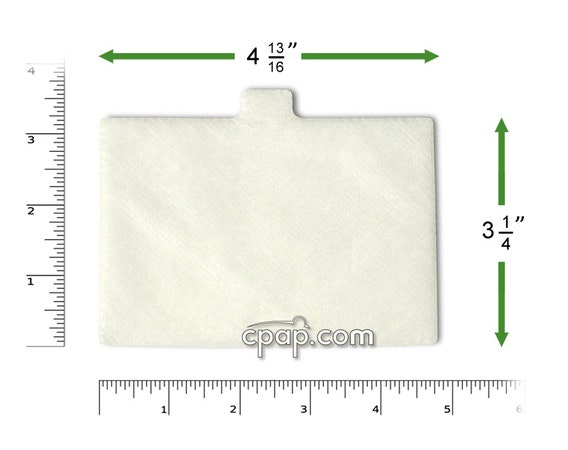
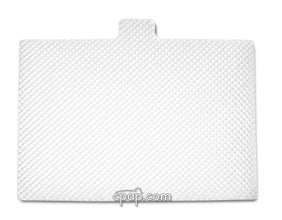
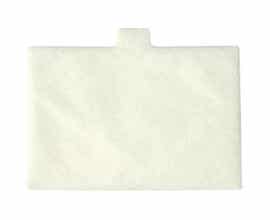


Duet and Harmony Fine Filters (6 pack)
To block even the smallest of particles, the six-pack of Disposable Fine Filters for the Respironics Duet LX, Synchrony, and Harmony Series are made of polypropylene / acrylic fibers and will keep your therapy air fresh and clean. The filters are compatible with the following machines:
- Respironics Duet LX
- Respironics BiPAP Pro
- Respironics Synchrony
- Respironics Synchrony-ST
- Harmony
Designed for the Respironics Duet LX, Synchrony, and Harmony Series CPAP Machines, these filters are disposable and should be changed every month.
What's Included:
- 6-Pack of Disposable Fine Filters
Duet and Harmony Fine Filters (6 pack)
To block even the smallest of particles, the six-pack of Disposable Fine Filters for the Respironics Duet LX, Synchrony, and Harmony Series are made of polypropylene / acrylic fibers and will keep your therapy air fresh and clean. The filters are compatible with the following machines:
- Respironics Duet LX
- Respironics BiPAP Pro
- Respironics Synchrony
- Respironics Synchrony-ST
- Harmony
Designed for the Respironics Duet LX, Synchrony, and Harmony Series CPAP Machines, these filters are disposable and should be changed every month.
What's Included:
- 6-Pack of Disposable Fine Filters
The Duet and Harmony Fine Filters (6 pack) is Right for You!
What's included*
- • Six Disposable Filters
* Does not include select added accessories
Learn More About This Product
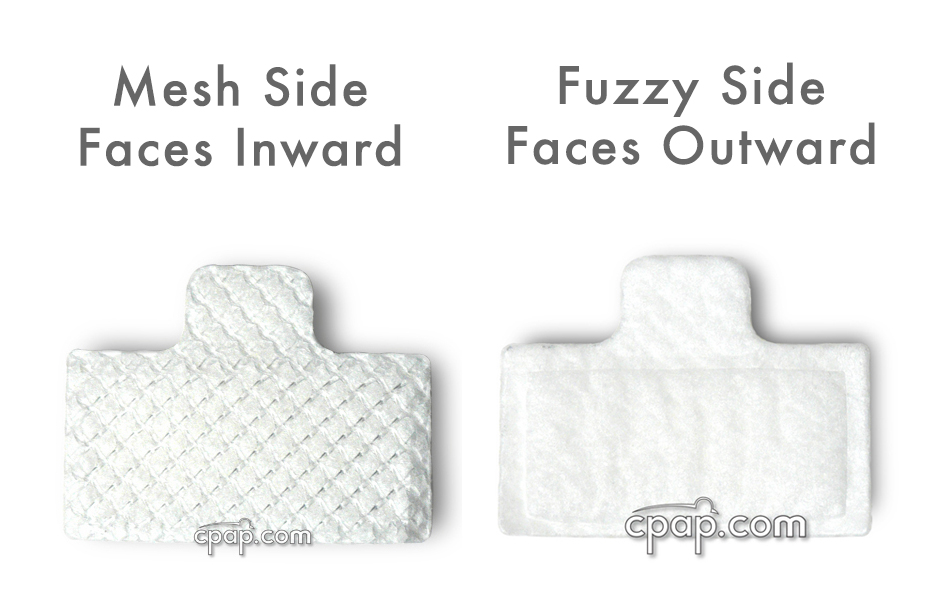
If the paper filter has a tab, fold it facing out of the machine for easy removal. The foam filter is inserted into the filter area after the paper filter is installed. The foam filter will catch the larger dirt particles first.
If you are using a two colored filter, the colored side faces out as shown in the image below.
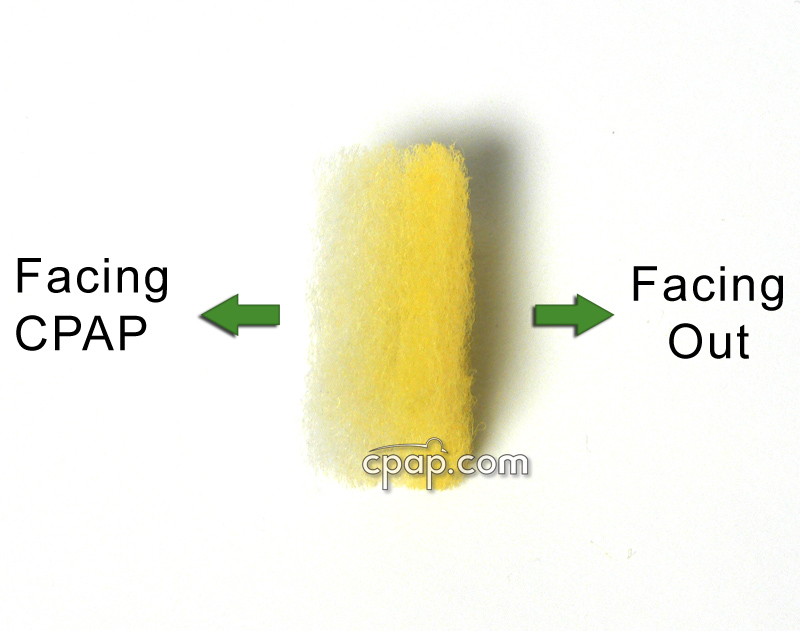
Disposable filters and bacteria filters are not intended to be cleaned but rather changed out, disposing of the used filter. Manufacturers recommend changing the disposable filter once a month, more frequently if used in a very dusty environment.
Disposable fine filters and bacteria filters should be discarded as soon as they become discolored or at least every 30 days.
If you live in a house with pets or smoke, you may need to replace the filters more often.
An example of a reusable foam filter is shown below.
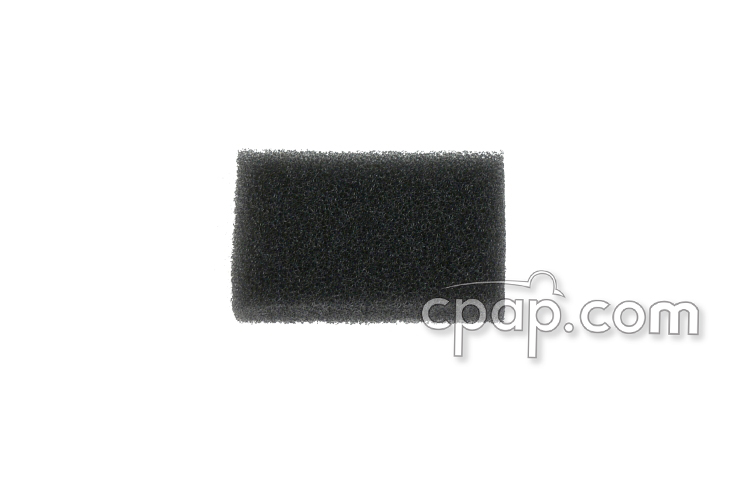
An example of a disposable fine filter is shown below.
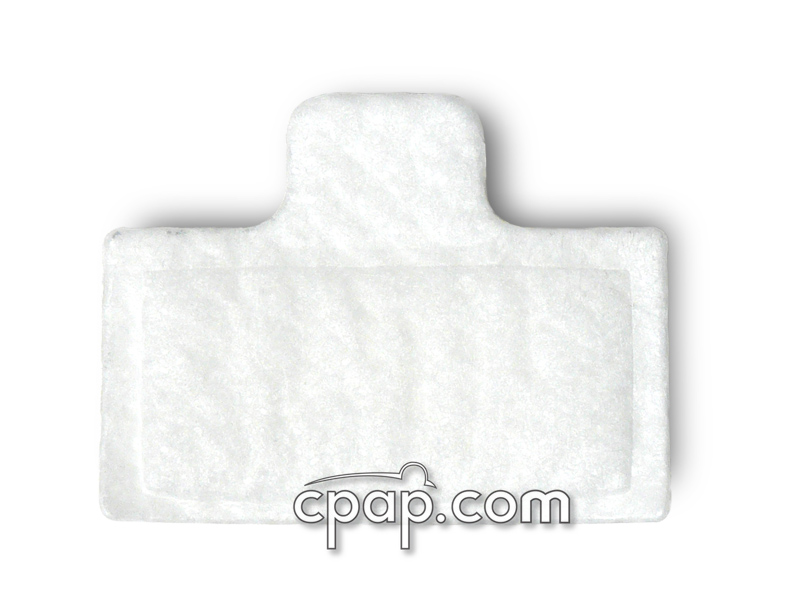
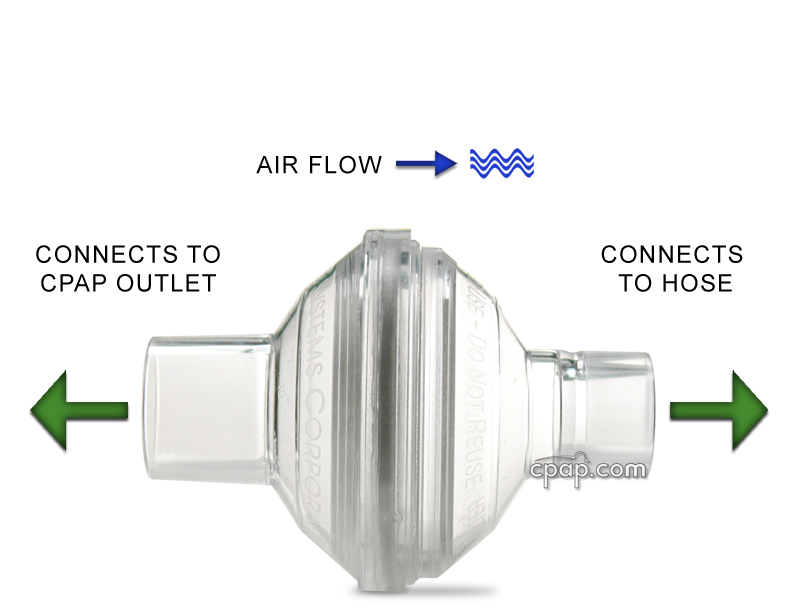
Bacteria filters are housed in a plastic frame and are placed at the CPAP air outlet, rather than the air inlet. They may be used with humidifiers, but should be removed and allowed to air dry during the day.
This filter is placed at the air outtake for your machine if you are not using a humidifiers. If you are using a humidifier, it is placed at the air outake for your humidifier. The bacteria filter is placed in the air outtake and the CPAP hose is placed on the other end.
The entire housing is disposable and should be discarded as soon as matter becomes visible. A clogged Bacteria filter may affect the amount of air delivered by the CPAP.
An example of a bacteria filter is shown below. Follow by an image showing how it installed.
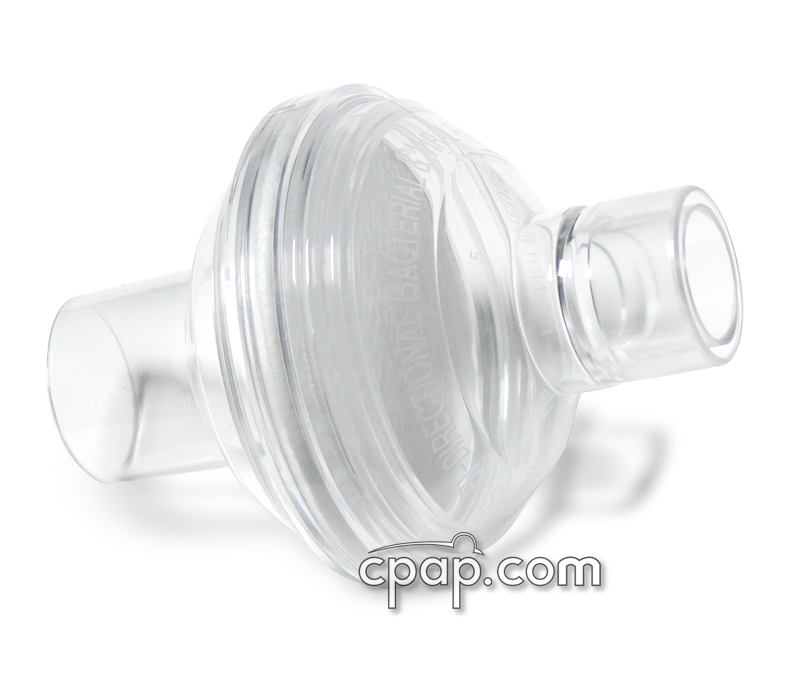
CPAP.com 100% Price Protection Guarantee
When you shop with us, we want you to be confident that you are receiving the best available price. If this items goes on sale or you spot an online or retail competitor with a lower price within seven days of your purchase, let us know, and we will credit you the difference.
"Super helpful, fast shipping, friendly assistance, great selection, I love this company."
- Verified Customer, 10/25/22
(15)
Read Reviews
Need a personal touch?

Chat with CPAP
Questions about a product or an existing order? Start a chat and let us help you out.
Start a chat



Customer Reviews
See what other customers are saying.
filters