- CPAP Masks
- CPAP Machines
- CPAP Supplies
- CPAP Accessories Home Sleep Test
- Blog
Chat with a 5-star expert now!
Chat with a 5-star expert now!
FREE 30-DAYMask Trial
BUY NOW,Pay Later
AWARD-WINNINGCustomer Service
LIVE CHATw/CPAP Experts

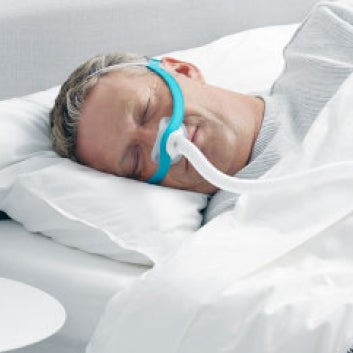


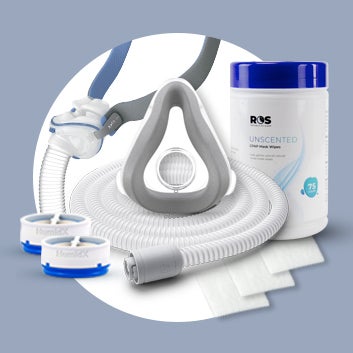

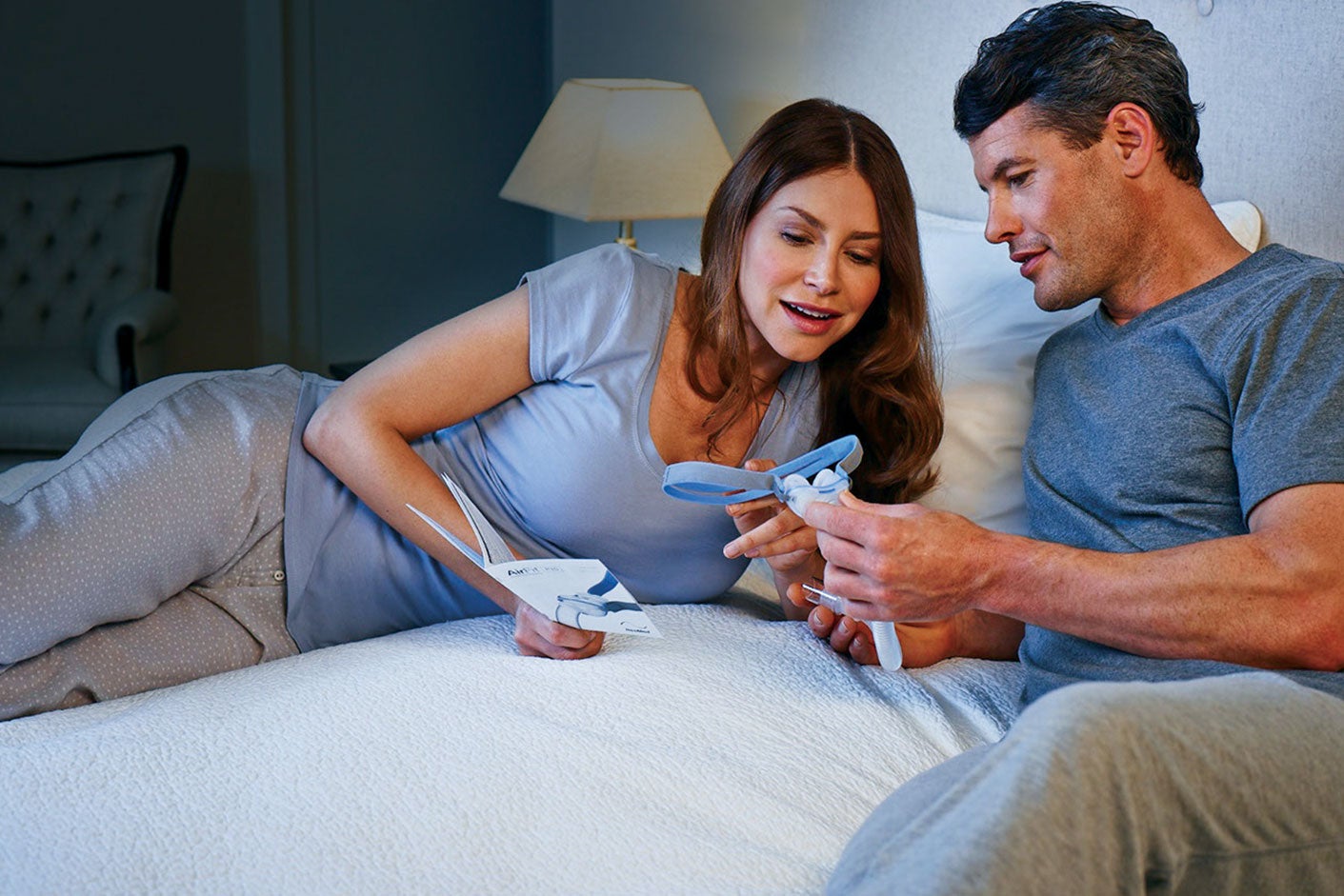
CPAP STARTER PACK
Customize Your Therapy
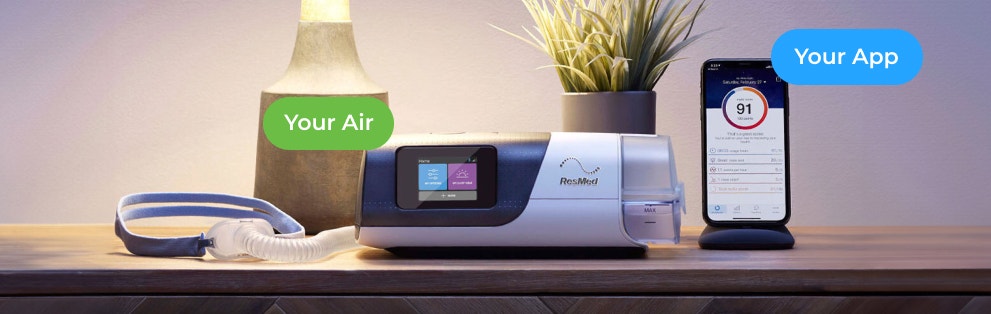
Find the perfect machine and mask combination based on your unique sleeping style in just minutes with our quick and easy starter pack!
GET STARTEDShop CPAP Supplies Online
Category
Lifestyle







Shop Our Top Sellers
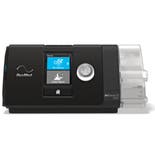
Shopping for CPAP machines online can be cheaper than buying through your insurance. You can find the quietest, most easy to use, and most comfortable machines at CPAP.com. Get a good night's rest and wake up alert to a better you.
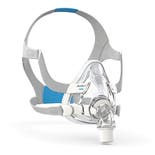
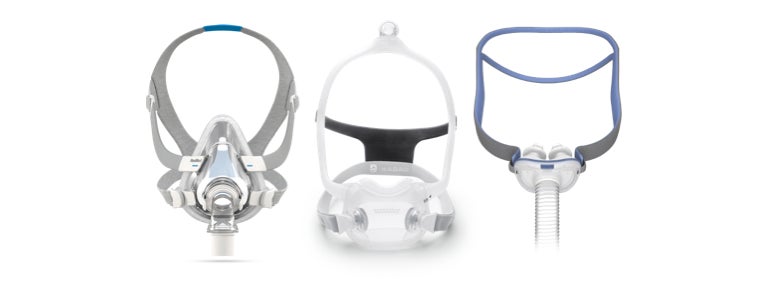
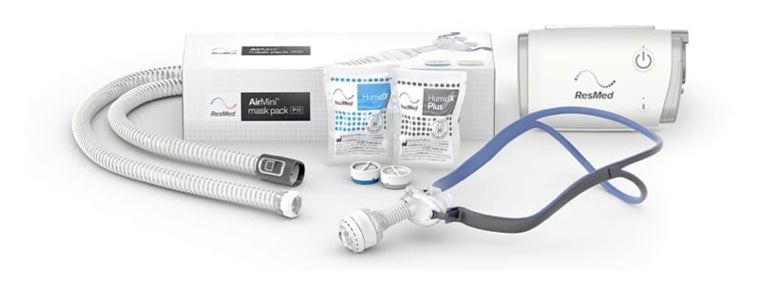
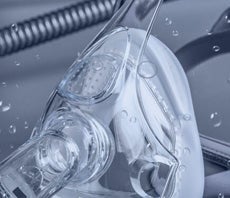
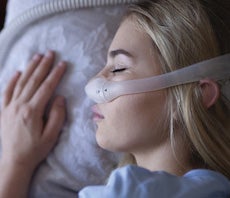
Finding the perfect CPAP mask shouldn't be so hard. You can buy any mask and try it risk-free for 30 days! Just remember, CPAP masks are compatible with any CPAP or BiPAP machine with the exception of the AirMini.
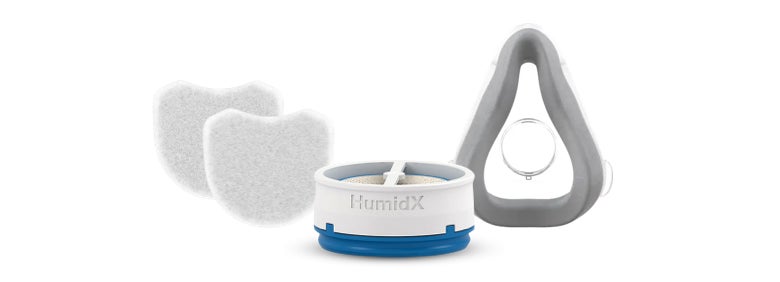
Replacing your mask parts regularly is key to making your CPAP therapy successful. You can easily sign up for our Subscribe & Save program and you’ll save 10% on your replacement supplies with free shipping on recurring orders.
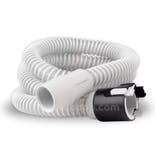
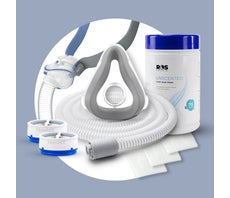
Replacing your CPAP hose is a great way to ensure you’re getting the full benefits of your CPAP therapy. CPAP.com stocks replacement tubing for most modern CPAP masks and machines, as well as some older models. Browse our popular replacement hoses below:
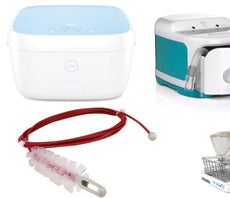
Are you looking to make your CPAP therapy more comfortable or make life easier? CPAP accessories help soothe common issues in your journey whether you have skin irritation or want convenient cleaning items. We carry over 300 popular accessory products that are loved by the CPAP community.
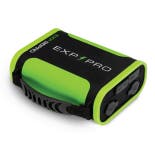
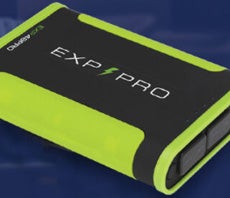
Whether you're traveling or want to simply replace your power cord, CPAP.com stocks all your power needs. You can rest assured that you can keep your CPAP machine going, wherever you are.
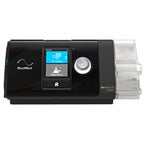
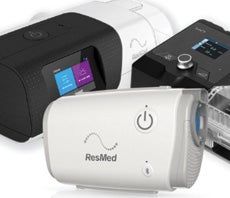
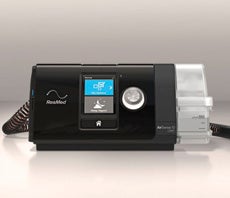
- Whisper-Quiet Operates at 26.6 Decibels
- Integrated Heated Humidifier
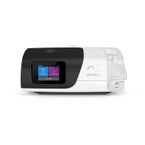
- NEW Release! Upgrade from AirSense 10
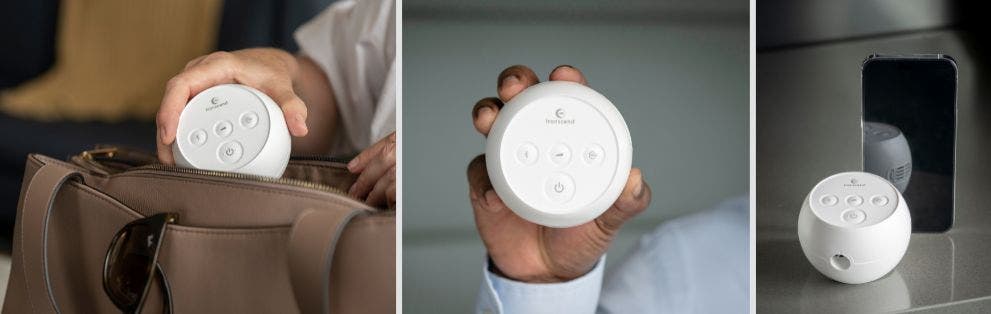
- 27 Decibels, Bluetooth, Over-Air Software Updates
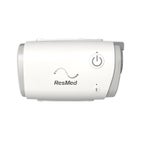
- Operates at 30 Decibels
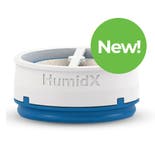
- Waterless Humidification
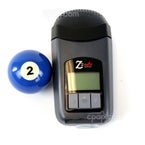
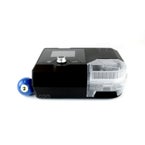
- Operates at 28 Decibels
- Integrated Heated Humidifier
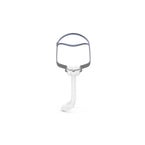
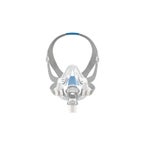
- Choice of Memory Foam or Silicone Cushion
- QuietAir Elbow Exhalation Vents
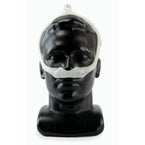
- Top-of-Head Hose Connection
- Fit Pack Includes All Cushions Sizes
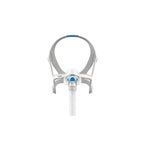
- Choice of Memory Foam or Silicone Cushion
- Magnetic Headgear Clips
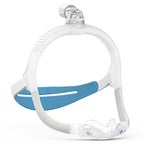
- Top-of-Head Hose Connection
- Starter Pack Includes All Cushion Sizes
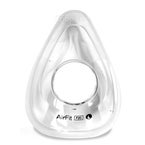
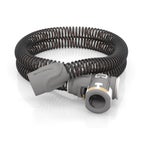
- For AirSense 10 and AirCurve 10 Machines
- Adjusts Automatically
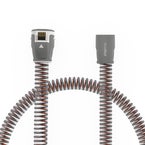
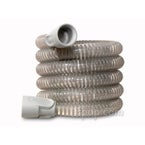
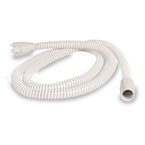
- Five Heat Settings For Controlled Comfort
- Heat Can Be Turned Off
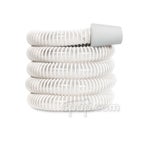
- 20% Lighter, More Flexible Tubing
- Ergonomic Cuff Design
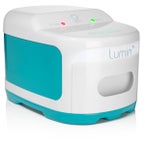
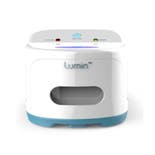
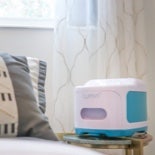
- UV Light Sanitizer
- Disinfects in 5 Minutes
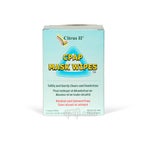
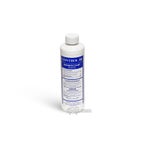
- Hospital-Grade Disinfectant Concentrate
- Makes 16 Gallons of Disinfectant Solution
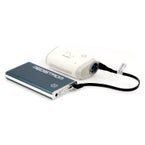
- Adapter Kit Included For Select Machines
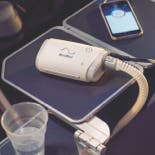
- FAA Approved for In-Flight Use
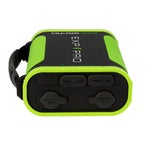
- DreamStation DC Cord Required (Not Included)
- 10x Longer Lifespan Than Other Batteries
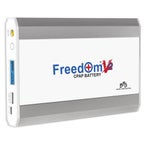
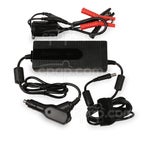
- For AirSense 10, AirCurve 10, AirStart 10 Machines
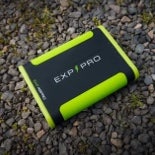
- Ideal for Camping or Road Trips
The CPAP.com Difference

Connect With A Sleep Expert
Our award winning customer service team is standing by to help with each stage of your CPAP therapy journey.


Your Recent Searches
I talked to one of the CPAP.com customer care representatives today. She was extremely helpful and efficient and answered all my questions and concerns. She placed my order for me and told me when to expect my shipment. She was very friendly, nice, and helpful. I have placed multiple orders with CPAP.com. I am always very pleased with the whole process. The items ship quickly and are packed with care. They have great prices on all their equipment and supplies, which is very helpful for all users, especially those without insurance or high deductibles. They stand behind the products they sell and have a generous return policy. I highly recommend CPAP.com's products and their customer service. Do not hesitate to buy from them if you are in need of CPAP supplies, you will be happy you did!
Verified Customer
1/16/2023
I had the best experience tonight since I bought a new mask a few nights ago. I have a bald head and it kept sliding down off my head. So I used the chat service and had an awesome experience. I was taken care of in a matter of a few minutes. I am very pleased with everything from this employee and the company. Thanks and God bless you all!
Verified Customer
3/4/2023
Great pricing on supplies. Fast shipping. Excellent response from Claudine when I had to contact them about my prescription.
Verified Customer
3/3/2023
Brandy was very helpful and patient in helping me set up my replacement CPAP machine and ordering the correct accessories. Pleasure doing business with her and your company.
Verified Customer
2/24/2023
I have been ordering CPAP machines and accessories from this site for many years with great satisfaction. Just today, my order was easily resolved through the live chat with Claudine.
Verified Customer
2/27/2023
I have a ResMed 11 and a ResMed AirMini so I use CPAP.com frequently. I have been very pleased with their service. However, Korinne was simply THE BEST! She solved a problem for me by taking the time to listen to my issue and suggesting a remedy. I was very grateful for her advice and assistance in getting me the proper cloth face mask. She saved me money by suggesting that I did not require the headgear but only the face mask! For any of my future orders or questions, I will request that I speak only to her! She is an exemplary employee! I am very grateful for her assistance! Thanks!
Verified Customer
2/21/2023
Being diagnosed with severe sleep apnea in my 50s has been a terrible ordeal. I am busy and sleep deprived and unmotivated while I struggle to get what I need. I have been waiting months for a machine through insurance. But with the help of Brandy via phone and Angie and Czarina via chat, I will have a machine tomorrow. Angie spent over an hour on chat helping answer all of my questions to educate me on ordering and usage. Czarina was great via chat as well. And Brandy was pleasant and empathetic to my plight to get a machine in my hands for a good night's sleep. She helped add my RX, review my order, and assured me I would receive my shipment overnight. I got my RX today and I will have a machine tomorrow. I cannot tell you how grateful I am to have a good night's sleep on the horizon. Thank you so much!
Verified Customer
2/20/2023
CPAP.com is my new 'go-to' place for any and all of my CPAP supplies. I had no idea a place like this even existed, particularly right out of my back door. Medicare no longer covers it, but even that's okay. I love doing business with them & I am so sorry I didn't get the lady's name, but she was so patient and helpful. Thanks to her, I think I'm all settled in now! Merry Christmas to all.
Verified Customer
12/20/2022
Helpful Resources
If you're new to CPAP therapy, this is the place to start! Learn how to shop for your first CPAP machine, when to replace your equipment, how insurance factors in, and how to prevent common CPAP side effects you may experience during the first months of therapy.
Find the latest reviews from our CPAP experts to help you narrow down the best mask, machine, and cleaning solutions for successful therapy whether you're just starting out or are replacing existing equipment.
Learn how to properly clean and maintain your equipment with our expert guides to CPAP upkeep. Find out how to prevent common issues like leaky mask seals, rainout, and facial irritation to ensure you're getting the most comfortable and beneficial therapy possible.
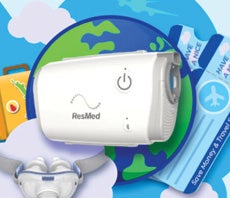
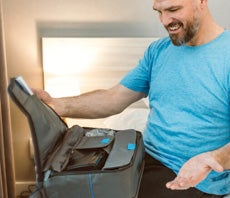
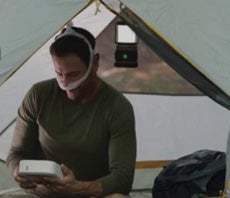
If you're planning to travel with your CPAP, read our guides to learn what to expect when flying, camping, or RV'ing with your CPAP machine. You'll also learn about travel CPAP machines and how they can bring greater flexibility to your travel plans.
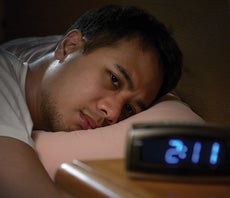
If you or someone you know is struggling with restless sleep or low energy levels, testing for sleep apnea is a great place to start. Find out the risks of untreated sleep apnea, early warning signs, and the best ways to get tested for sleep disorders with this collection of sleep apnea resources.



Shop By Brand