- CPAP Masks
- CPAP Machines
- CPAP Supplies
- CPAP Accessories Home Sleep Test
- Blog
Chat with a 5-star expert now!
Chat with a 5-star expert now!
- Home /
- CPAP Supplies /
- CPAP Mask Parts /
- Chinstraps /
- AG Industries
Order ships next business day
15 hrs 17 minsGet Your Sleep Back
Setup is easy & takes minutes

Orders ship within hours (M-F)

Resupply items set to autopilot
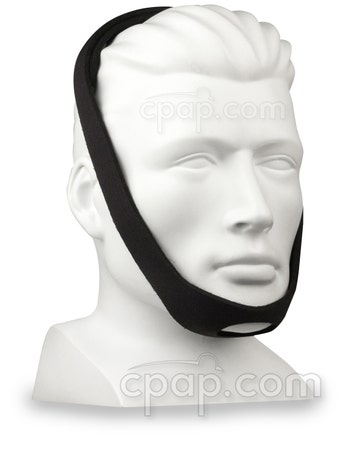
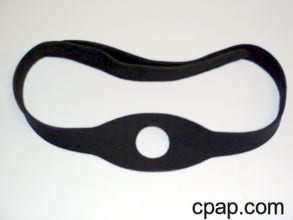
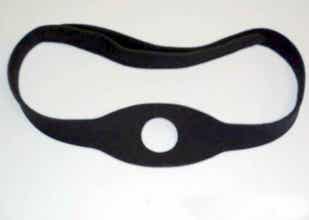


Universal Chinstrap
The Universal Chinstrap, an economical chinstrap made with soft materials, offers a solution by encouraging nasal breathing and improving your overall sleep quality.
Learn More About the Universal Chinstrap:
- Available to Use with Any Nasal Mask, Nasal Pillow, or Nasal Prong System
- Just Right Fit with One–Size–Fits–All Sizing
Universal Chinstrap
The Universal Chinstrap, an economical chinstrap made with soft materials, offers a solution by encouraging nasal breathing and improving your overall sleep quality.
Learn More About the Universal Chinstrap:
- Available to Use with Any Nasal Mask, Nasal Pillow, or Nasal Prong System
- Just Right Fit with One–Size–Fits–All Sizing
The Universal Chinstrap is Right for You!
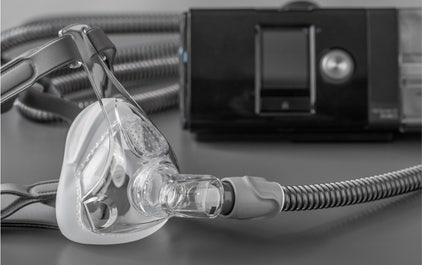
What's included*
- • Chinstrap
* Does not include select added accessories
Learn More About This Product
When using a nasal device with a CPAP, it is imperative that the mouth remain closed for the pressure to be maintained and the therapy to be effective. Most people will automatically keep their mouth closed while on CPAP, but some are unable to do so, at least in the beginning of the therapy.
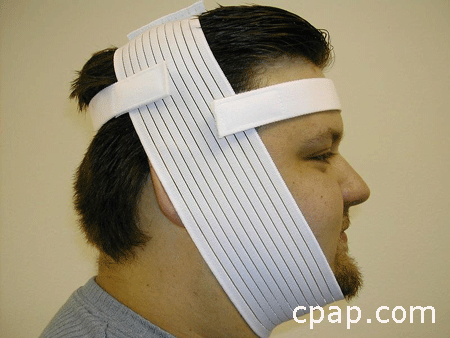
Use of a Chinstrap is the first response to opening the mouth during sleep. It is worn in addition to the CPAP mask to hold the jaw up and help keep the mouth closed.
Even with the use of a chinstrap, some people are still able to breathe through their teeth and lips. If so, a Full Face Mask is an option worth considering.
Here are some recommended chinstraps:
Ruby-Style Adjustable Chinstrap with Extension Strap
Deluxe-Style Chinstrap
Premium Chinstrap
Halo Chinstrap
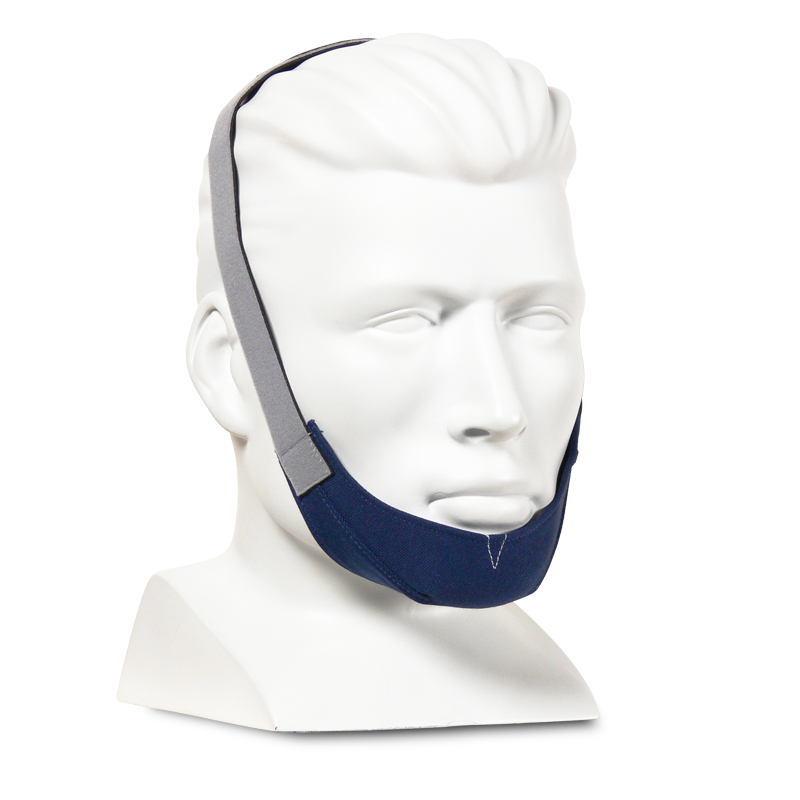
For greater strength, a wider chinstrap is available. The width of the strap is sufficient to cup the chin, and narrow straps are available to attach across the forehead to keep the chinstrap from falling back, as well as across the back of the head to keep it from falling forward. This style of chinstrap is more stable, but it may cover the ears. An example of this type of chinstrap is the Premium Chinstrap.
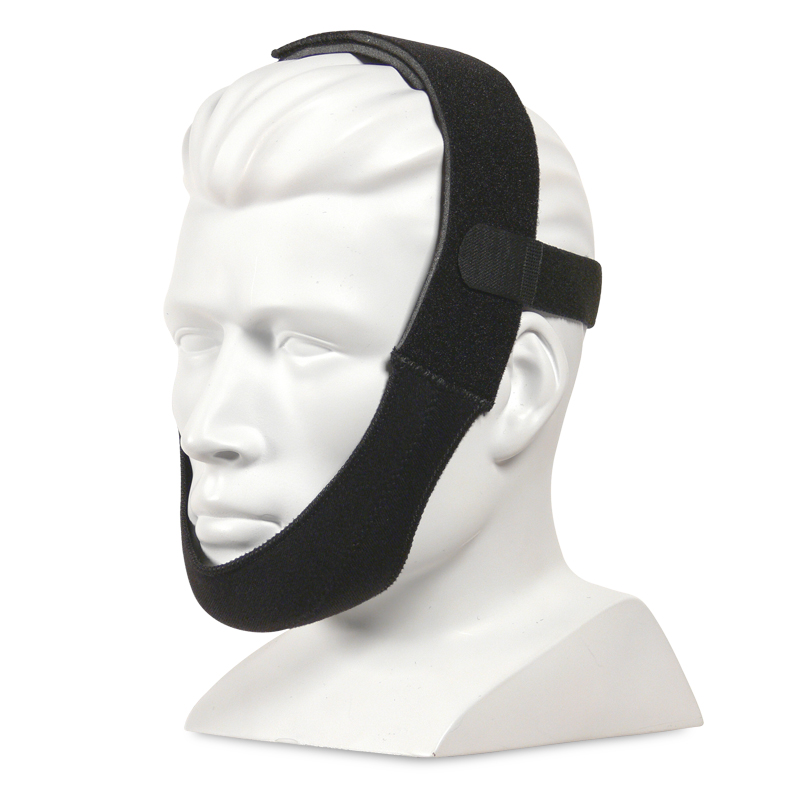
Another style of chinstrap is a series of straps that cup the chin at a lower angle for greater support, and include the stabilizing straps in the design. An example of this type of chinstrap is the CPAP.com Deluxe Chinstrap.
The correlation between the lack of humidification and mouth leaks is a topic being heavily researched. Studies are now being conducted on the hypothesis that a large amount of mouth leakage is caused by the following cycle:
- CPAP therapy is used with ineffective or no humidification.
- The nasal membranes are unable to adequately condition the increased airflow and after a few minutes the airway and nasal passages become dry.
- To remedy the dryness and obtain moisture, the body uses the mouth to breathe.
- CPAP air follows the path of least resistance and leaks out of the open mouth.
- The air leaking through the mouth causes more dryness.
- Patient wakes up feeling tired with significant dryness in mouth and dry, swollen nasal passages.
The answer to this cycle is humidification. If the mouth continues to open during sleep, a chinstrap may be needed to hold the jaw up so that the mouth can close. If mouth breathing continues, a full face mask that covers the nose and mouth is indicated.
First be sure the mask is not leaking. If it is six to nine months old and leaking, try replacing it. If it is new and leaking, we can help you get a better size.
If your mask is new and NOT leaking, try a chinstrap to keep your jaw up and mouth closed. If a chinstrap doesn't solve the problem, try a full face mask that covers your nose and mouth.
If you use a full face mask and have a dry mouth, try adding a heated humidifier to add moisture.
Frequently Bought Together
3B Medical Luna G3 Auto Machine With Heated Humidifier
ResMed AirCurve™ 11 VAuto BiLevel Machine with HumidAir™
TAP PAP Nasal Pillow CPAP Mask with Improved Stability Mouthpiece
CPAP.com 100% Price Protection Guarantee
When you shop with us, we want you to be confident that you are receiving the best available price. If this items goes on sale or you spot an online or retail competitor with a lower price within seven days of your purchase, let us know, and we will credit you the difference.
"Super helpful, fast shipping, friendly assistance, great selection, I love this company."
- Verified Customer, 10/25/22
(139)
Read Reviews
Need a personal touch?

Chat with CPAP
Questions about a product or an existing order? Start a chat and let us help you out.
Start a chat



Customer Reviews
See what other customers are saying.
Too big for my small face/head
Too hard to keep in place
It's meh
Good price
Chinstrap
Chinstrap
Customers Also Viewed
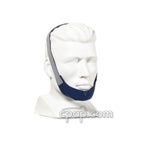
Sullivan Chinstrap
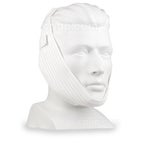
Deluxe-Style Chinstrap (Substitute for Respironics Deluxe Chinstrap)
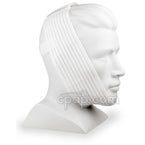
Original Deluxe Chinstrap
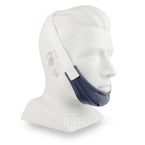
Navillus Chinstrap (Substitute For Sullivan Chinstrap)
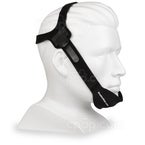
Halo Chinstrap
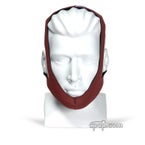
Ruby-Style Chinstrap
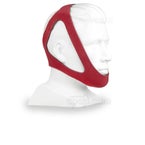
Ruby-Style Adjustable Chinstrap with Extension Strap
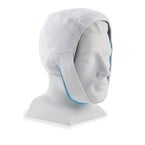
Knightsbridge Dual Band Chin Strap
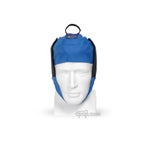
PAPcap Cotton Chinstrap
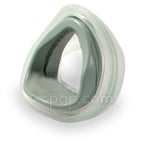
Flexi Foam Cushion and Silicone Seal Kit for HC407 Nasal CPAP Mask
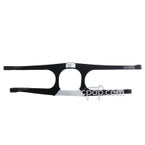
HC407 Nasal Mask Headgear
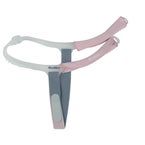
Silicone Headgear Assembly for Swift™ FX for Her