


If you live in an area where winter storms are common, having a cold-weather preparedness plan isn’t just smart—it’s essential. That’s especially true for the millions of people who rely on CPAP therapy every night to breathe well and sleep safely.
Snowstorms, ice, and extreme cold can knock out power with little warning. Even a short outage can disrupt your sleep, and longer winter emergencies can put your health at risk if you’re not prepared.
That’s why we’ve put together this winter preparedness guide for CPAP users. Ahead, you’ll find practical tips, storm supply checklists, and simple planning steps to help you stay warm, powered, and well-rested—no matter what the forecast brings.
Table of contents

CPAP Guide Liz
Got questions? Our CPAP Guide team is trained to help you find the right CPAP solutions that work for you.
Give us a call at 1-800-356-5221.

Order essentials before the storm hits
After serving you for 25 years, we know what works. We've handpicked cleaning supplies, backup replacement parts, and power solutions to keep you sleeping through the storm.
CPAP Tips for Winter Storm Preparedness
To avoid treatment disruptions during or after a hurricane, it's important to start thinking about what you'll need to do and the supplies you'll need to stock up on.
You should be prepared to go at least three days without power. But, most experts suggest planning for an entire week, if possible.
Call your electric company to inform them that you use a CPAP machine.
Label all of your CPAP equipment, supplies, cords, and power sources with your name and "Medical Equipment".
Clean your CPAP gear with CPAP-safe wipes and sprays that do not contain alcohol, bleach, or other chemicals.
Distilled water can stay stable for years when it's unopened, so you should start stocking up now.
You can sanitize your CPAP hose and water tank using a 1:1 solution with distilled water and distilled vinegar.
Keep an extra set of CPAP replacement parts so you won't be impacted by shipping delays.
Get a 50+ foot long, 12-gauge, 20 amp outdoor extension cord to ensure that your power supply is safe and easy to reach.
If you have a CPAP battery, keep it plugged into the wall with your CPAP machine plugged into the battery.
Conserve power by turning off your CPAP humidifier.
If you have a fuel generator, keep it outside, 20 feet from doors or windows at all times.
Do not connect your CPAP directly to a generator. Instead, use a surge protector and a grounded extension cord.
Consider a 100 Wh CPAP battery if you need backup power for 1-2 nights of CPAP therapy.
Consider a 160+ Wh CPAP battery if you need backup power for more than 2 nights of CPAP therapy.
Gather Supplies Early On
As winter approaches, shipping delays and empty store shelves become far more common—especially when snow or ice is in the forecast. That’s why it helps to take inventory of your supplies early on and make a plan for anything you may need.
Rather than waiting until a storm hits, aim to stock up before the winter weather is on its way. And if you use up emergency supplies during a storm or outage, plan to replace them as soon as the weather improves, so you’re ready for the next cold snap.
Here are some essentials that can make a big difference when preparing for a winter storm with CPAP:
- Car charging kit
- Extra mask cushion
- Backup machine filter
- Extra machine power supply
- Plenty of CPAP mask wipes
- Cleaning vinegar
- Sanitizing spray
- 4 weeks' worth of distilled water
- Bottled drinking water
- 50-foot extension cord with 3 outlets
- Surge protector
- Flashlights
- Batteries
- Medications
- Non-perishable foods
- Extra fuel for you car
- Backup CPAP battery
- Solar-powered generator
Winterize your CPAP routine

Contact Your Electric Company
Many power companies maintain a medical needs registry for customers who rely on essential medical equipment like CPAP machines. Adding your CPAP to this list can help you receive outage alerts and, depending on your provider, access to special billing options or backup power programs. In some cases, it could also mean getting your electricity restored faster.

Winter Storm Survival Tips for CPAP: Electric Provider
- Contact your electric company’s customer service or medical-needs support line.
- Ask to be added to their medical or critical-care registry.
- Confirm how you’ll receive outage alerts (text, phone call, or email).
- Provide a backup contact in case cell service is disrupted.
- Set a yearly reminder to reconfirm your status.
When calling your electricity provider, be prepared to provide your:
- Doctor's name
- Clinic phone number
- Your phone number
- Copy of your CPAP prescription
Keep Water On Hand
Winter storms can disrupt water treatment systems—especially during freezing temperatures or widespread power outages—leaving tap water unsafe or temporarily unavailable. Pipes can also burst or lose pressure, increasing the risk of contamination.
Pay close attention to local advisories, including boil-water notices or usage restrictions from your city or county. If water isn’t declared safe for drinking, it shouldn’t be used in your CPAP humidifier or for cleaning CPAP equipment.
Winter Storm Survival Tips for CPAP: Water
- Fill a spare bathtub with water for flushing and washing.
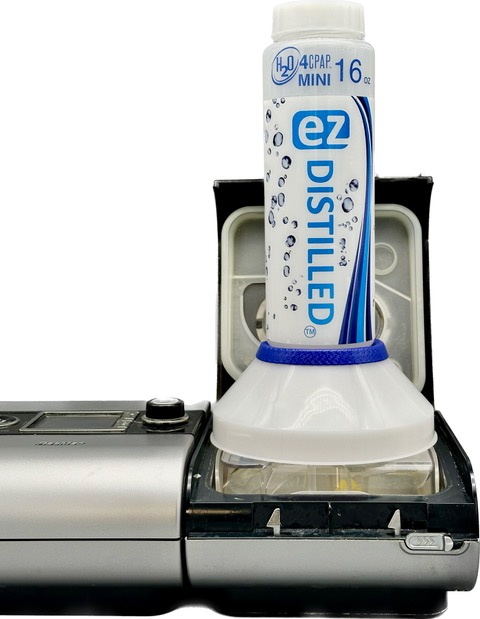
- You can make your own distilled water with a portable water filter.
- Unopened distilled water can last for years.
- Tap water can work in a pinch, but it's not ideal.
- It is perfectly safe to use your CPAP machine without water, if needed.
CPAP water dos and don'ts:
- Stock up early with distilled water bottles.
- Try to avoid using tap water can work in a pinch, as it can cause wear and tear on your machine.
- If you have a water filter system, you can use it to turn regular water into something that’s CPAP safe.
Make your own CPAP water
Stock up On Waterless Cleaning Supplies
Even when you’re sheltering in place during a winter storm, keeping your CPAP equipment clean is essential. Bacteria can start to grow within hours, and mold can develop in as little as one day—especially in cold homes with limited airflow.
For regular care, mild soap and clean water are usually enough. If water access is limited, CPAP-safe wipes, sanitizing sprays, or distilled vinegar can help you maintain hygiene until normal routines resume.
Because germs thrive in warm, damp conditions, always allow your mask, hose, and water chamber to fully air-dry between uses whenever possible.
Winter Storm Survival Tips for CPAP: Cleaning
- CPAP cleaning wipes and sprays remove oils and germs without water
- Always avoid using harsh chemicals that degrade your mask and tubing.
- Store tubing on a hose hanger, so it can air dry after every session.
- Wipe your water tank clean and allow it to air dry before using.
- Baby wipes are fine as long as they're alcohol, lanolin, and fragrance-free.
- Disinfect your gear with a 1:1 mix of vinegar/distilled water in a spray bottle.
Avoid cleaning CPAP equipment with the following chemicals:
- Lanolin
- Lotions
- Alcohol
- Bleach
- Hydrogen peroxide
- Lysol
- Heavy scents
Keep your CPAP clean

Order Backup Replacement Parts Early
Severe winter weather can delay deliveries for days and clear out local store shelves just as quickly. If a storm hits when it’s time to replace a mask cushion or filter, you could be forced to use worn-out CPAP supplies that reduce comfort and therapy effectiveness.
CPAP parts don’t all wear out at the same pace—some filters need reminds every few weeks, while others last months. Take a moment now to review your CPAP replacement schedule and stock up on essentials before winter weather disrupts shipping and supply chains.
Winter Storm Survival Tips for CPAP: Replacement Parts
- Note your next replacement date for cushions, tubing, filters, etc.
- Order filters, cushions, and nasal pillows 1–2 cycles early to avoid delays.
- Keep replacement parts in a sealed plastic bin with emergency supplies.
- Have a subscription plan? Asl if you can get an early shipment.
- Can't wash your hose? Order a couple $5 universal hoses and switch them out every other day.
Here's how often your CPAP parts should be replaced:
- CPAP Filters: 2 weeks to 3 months
- Mask Cushions: 1 to 3 months
- Nasal Pillows: 1 to 3 months
- Hoses & Tubing: 3 to 6 months
- Mask Headgear: 3 to 6 months
- Mask Frames: 3 to 6 months
- Humidifier Chambers: 3 to 6 months
Replace your CPAP gear on time
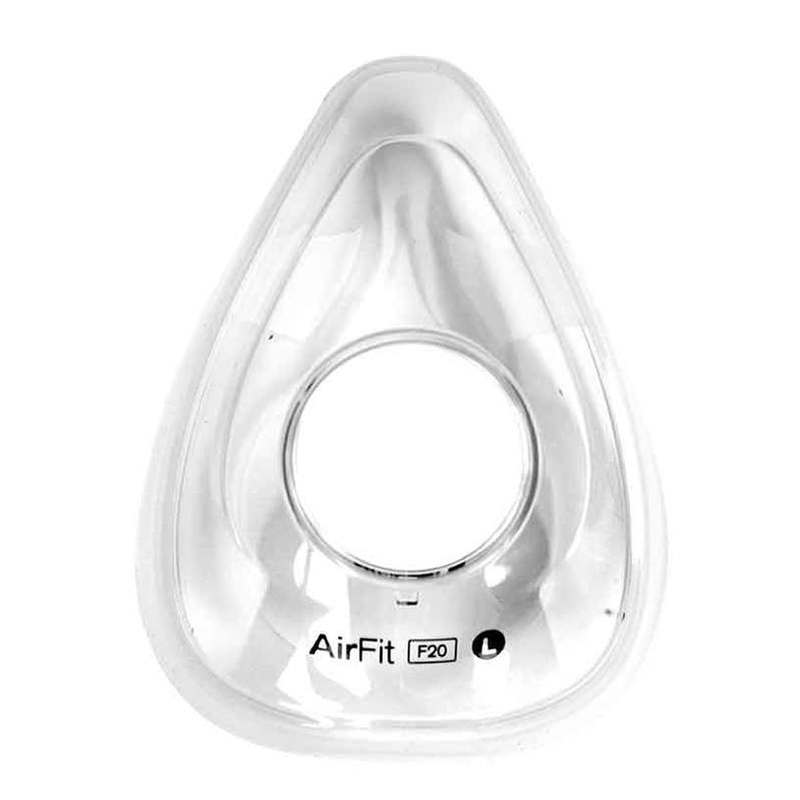

Machine Filters
The one thing standing between you and a lungful of germs is a fresh CPAP filter
~$2-15
Shop Filters
Universal CPAP Hose
No need to use dirty tubing—switch it out with a low-cost universal solution
~$5
Shop NowChange Humidifier Settings to Save Power
If you rely on a CPAP battery that provides just one or two nights of power, conserving energy is essential during an outage. Plan ahead so you’re not caught off guard if power restoration takes longer than expected.
Before a storm hits, ask yourself:
How many hours of therapy can your battery provide on a full charge?
What settings can you adjust to reduce power use each night?
How will you recharge if the battery runs low before power returns?
How long does a full recharge take before it’s ready again?
Thinking through these details ahead of time can help you sleep more confidently through winter weather disruptions.
Winter Storm Survival Tips for CPAP: Power Saving
- Turn off your humidifier to make your battery life last longer. This will also turn off your heated hose.
- If you know you're going to run out of battery power, switch to sleeping with your CPAP for 4-6 hours per night, instead of the entire night.
- Switch to using your travel CPAP machine, if you have one on hand.
- If you do use humidification, wrap your CPAP hose in a towel or blanket to prevent rainout in cold rooms.
Factors that affect your CPAP battery runtime:
- Standard or Travel CPAP: Travel CPAP machines get more battery time.
- CPAP Pressure: The higher the pressure setting, the faster your battery will run out.
- Humidification Use: Turning your humidifier off completely will make your battery last longer.
- Heated Tubing: Heated tubing unlocks Auto Climate Control, which uses extra battery.
Power saving travel bundles
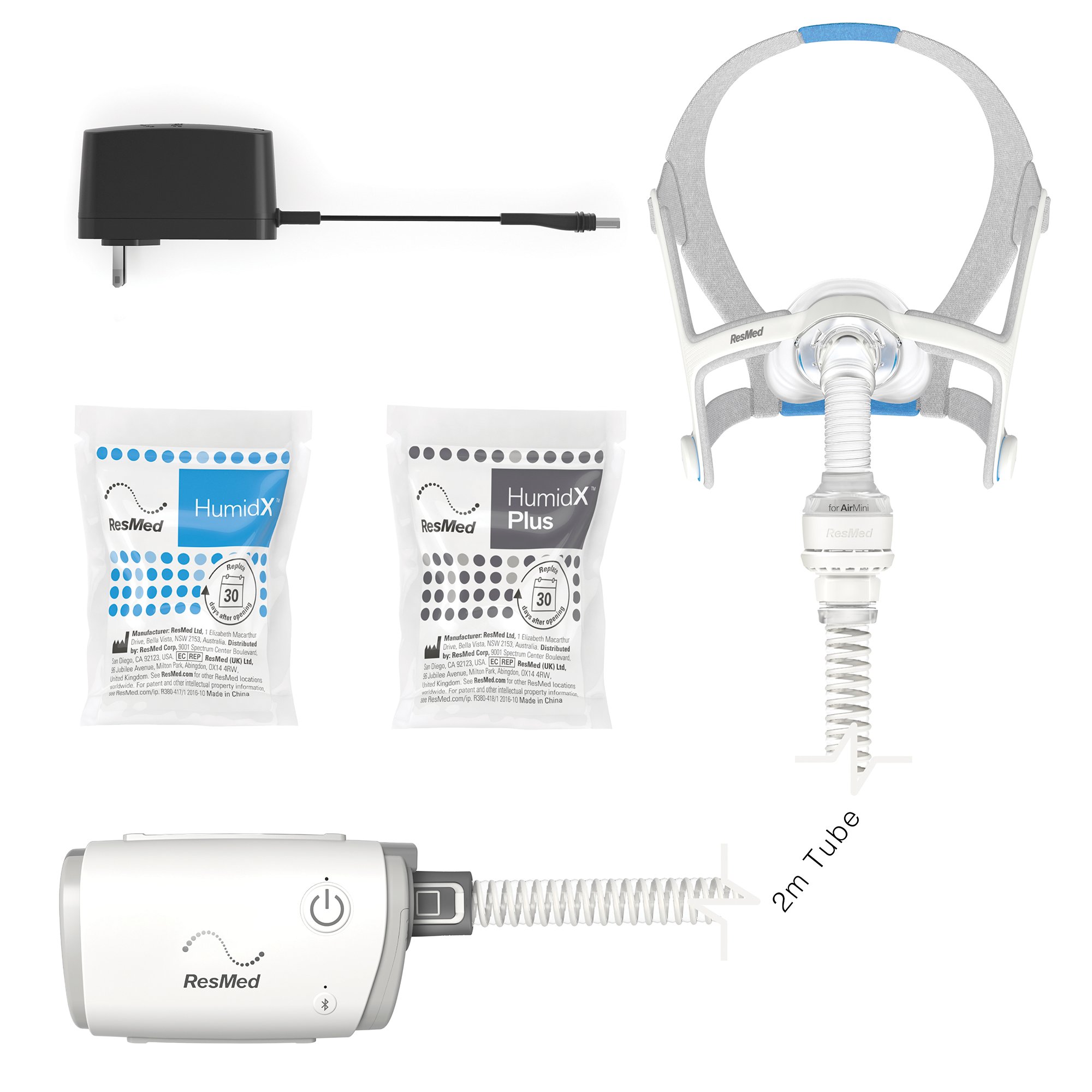
AirMini All-In-One Bundles
Everything you need to start sleeping with the AirMini—including compatible masks and accessories
~$1,000–1,200
Shop Bundles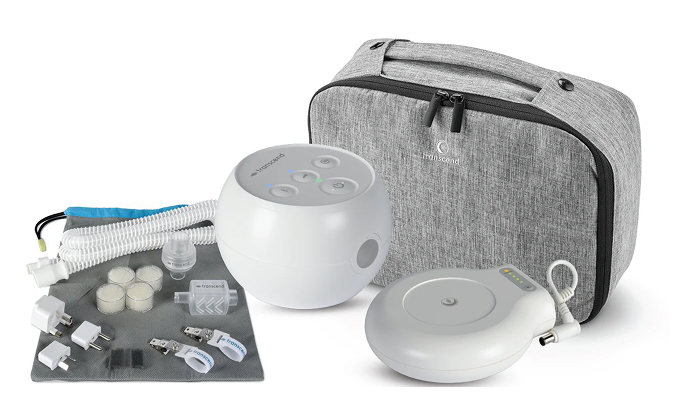
Transcend Micro Power Bundle
Don't miss a wink of sleep—this has everything you need to stay sleeping when the power goes out
~$1,200-1,300
Shop NowFollow Generator Safety Tips
If winter storms and power outages are common where you live, you may already have access to a generator—or know someone who does. Generators can safely power your CPAP during an outage, as long as they’re used correctly.
Fuel-powered generators should always be operated outdoors, even in cold weather. To use one with your CPAP, run a heavy-duty extension cord from your machine through a window or door to the generator outside—never bring the generator indoors.
If you prefer an indoor option, solar or battery-based generators or power stations are a safer alternative. These units can be used inside your home and provide a reliable backup power source for CPAP therapy during extended winter outages.
Winter Storm Survival Tips for CPAP: Generator Safety
- Keep your generator fully charged or fueled up throughout the winter.
- Do not connect your CPAP directly to a fuel generator.
- Always use a surge protector when using a generator.
- Run a grounded extension cord from the generator to the surge protector.
Fuel generators should never be used indoors:
- Place portable generators outside and at least 20 feet from doors, windows, or vents.
- Be aware that carbon-monoxide poisoning can happen in minutes, even if the unit sits in an open garage.
- Always review FEMA’s generator safety tips before each hurricane.
Home-safe power stations

EXP240PRO CPAP Battery
A high-capacity battery that can power your CPAP for 10-17 nights & recharges in 6 hours
~$600-700
Shop Now
Explorer 1000 Portable Power Station
Smallest portable power station of its kind, perfect for outdoor adventures or power outages
~$800–1,300
Shop Now
Solar Generater 2000
Stay safe and secure inside, as you power your CPAP machine, laptop, even your refrigerator
~$1,600–3,000
Shop NowGet an Extension Cord
Even if you still have cell service, there's Keeping your phone charged lets you contact loved ones, track weather updates, and coordinate medical help if needed.
A small solar panel, car adapter, or power bank is perfect for keeping essential devices charged. Some can even top off your CPAP battery during grid outages, giving you extra nights of therapy while crews restore power.
Winter Storm Survival Tips for CPAP: Power Cords
- Use a heavy-duty, surge-protected cord.
- Make sure it's long enough to span interior rooms or awkward layouts.
- Label the cord with your name and “Medical Device” in case of emergency use.
- Test your setup before a storm hits to make sure your CPAP machine works as expected.
- Pack a small three-outlet adapter in case wall outlets are limited or inaccessible.
What to look for when choosing a CPAP-safe extension cord in winter:
- 50+ feet long
- 12-gauge cord thickness
- 20 amp rating
- Marked Outdoor Rated, SJTW, or SJEOW
- All three prongs intact
- UL or ETL safety symbol
- GFCI button (or bring a short adapter with one)
- Bright color like yellow or orange for visibility in snow or low light
Consider Investing In a CPAP Battery
A good CPAP battery can automatically kick in if the power goes out, helping you stay consistent with your therapy—even during outages from snow, ice, or extreme cold.
While batteries may not fit every budget, they offer real peace of mind during winter. You’ll have more flexibility with where you sleep, how close you need to be to an outlet, and what to do if the power fails overnight.
If you’re thinking about buying a battery, ask yourself:
- How often do you lose power in the winter?
- How long do outages usually last?
- Will you have a way to recharge the battery if needed?
Winter Storm Survival Tips for CPAP: CPAP Batteries
- If you'll be without power for 3+ days, choose a battery with at least 160 Wh.
- Use your battery as backup power by plugging your CPAP into the battery and the battery into the wall. That way, if the power fails, the battery takes over automatically.
- Some batteries can be linked together for extended use in longer outages.
- Many batteries can be charged using a car charger.
A smaller capacity battery (under 100 Wh) may work if you:
- Confident power will return within a day or two
- Have access to charging devices once the battery runs out
- Will only use the battery to power your CPAP
Consider a larger capacity battery (over 160 Wh) if you:
- Tend to lose power for over 2 nights
- Don’t have a reliable way to recharge your battery
- Want the option to power multiple devices

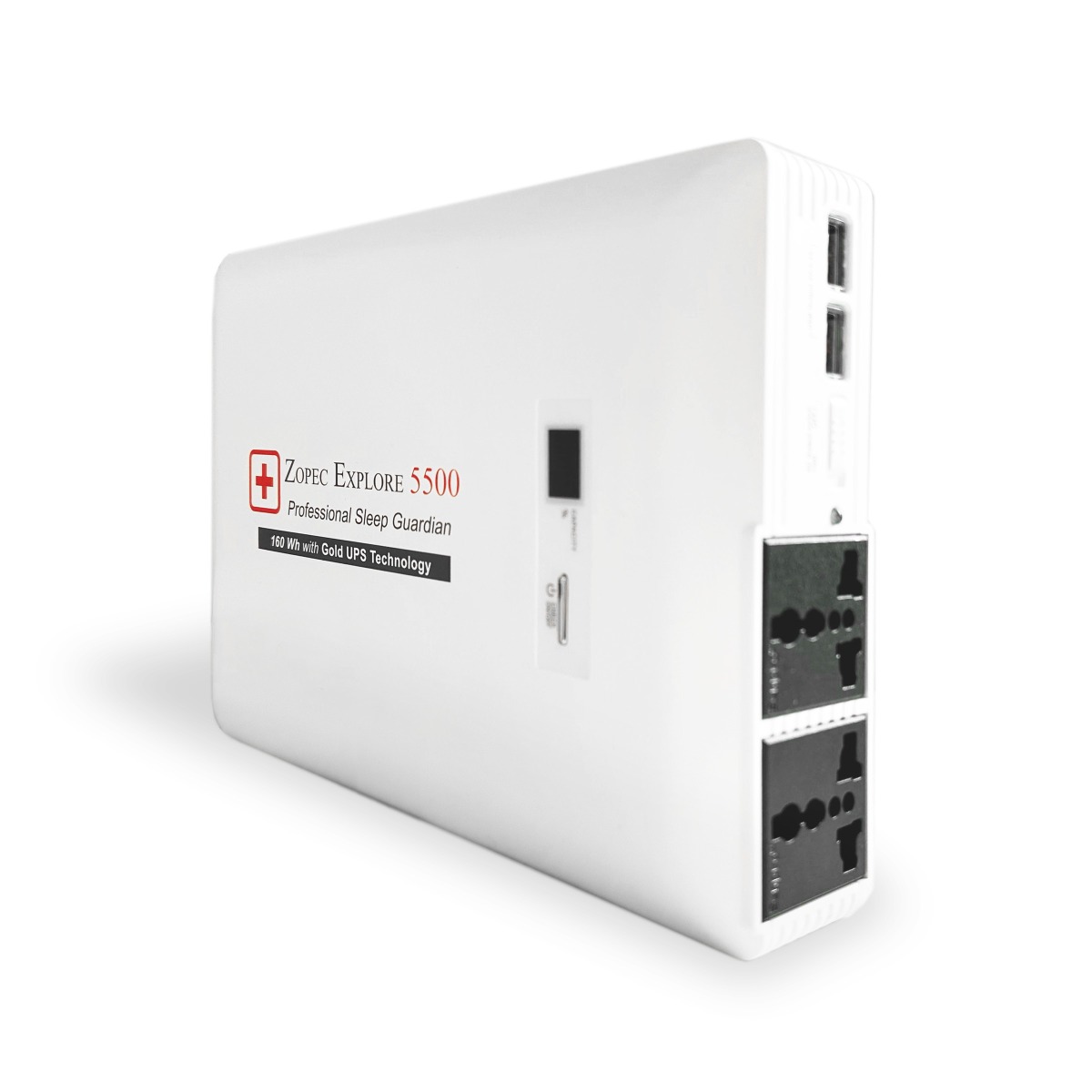
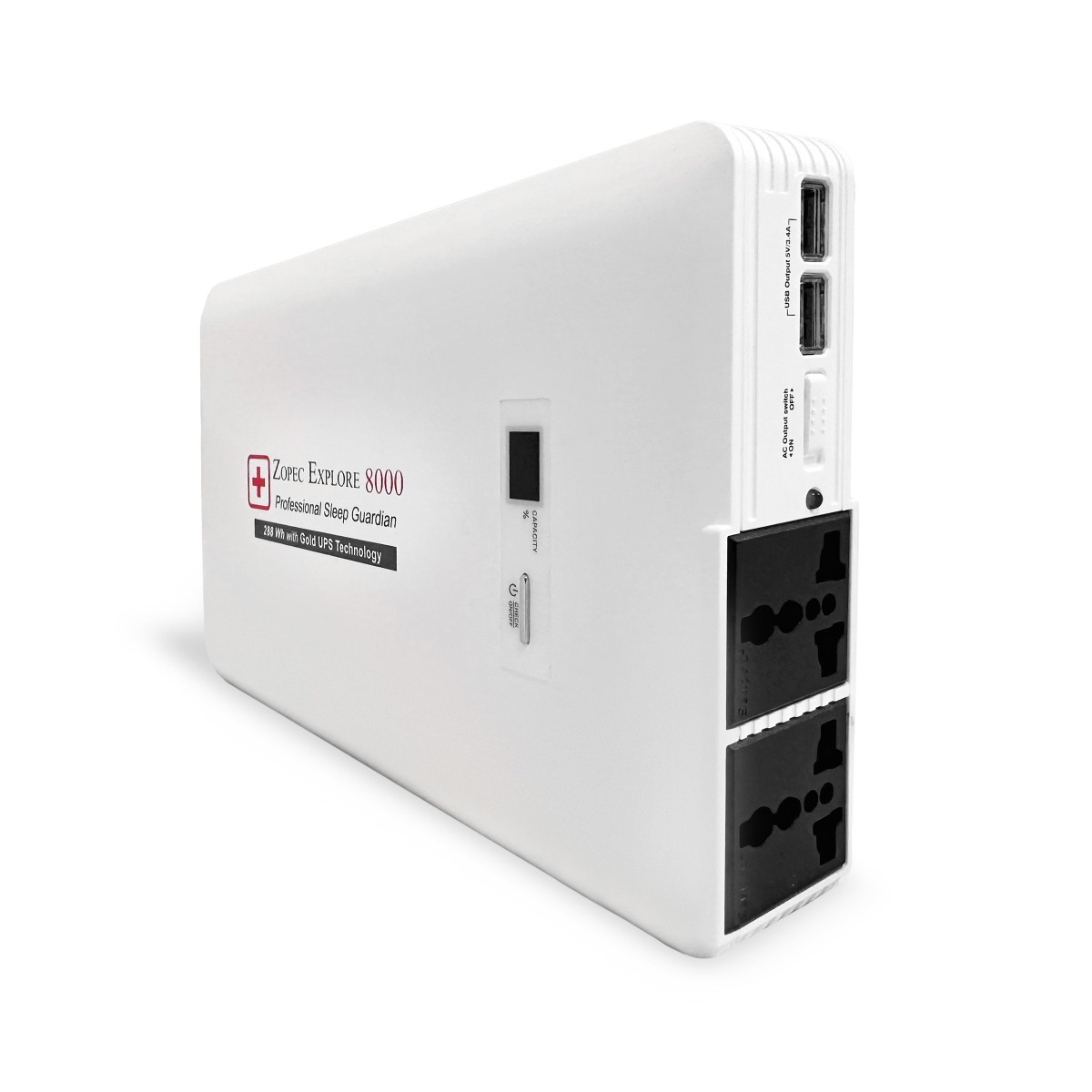
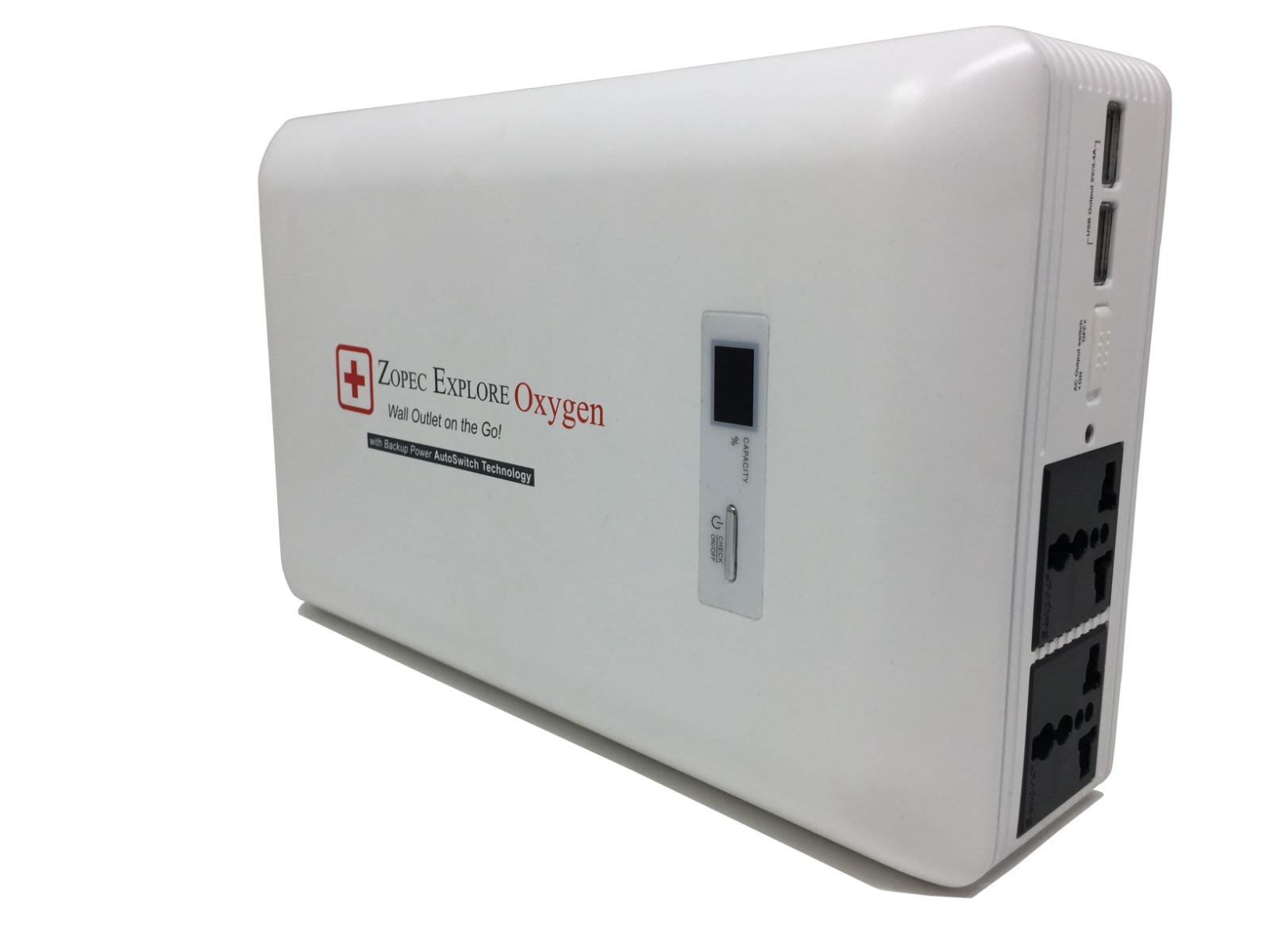
Recharge & runtimes for popular CPAP batteries
Step-by-step winter storm preparedness plan for CPAP
Winter weather can make it difficult to keep up with your CPAP routine, especially when you're expecting the lights to go out. The best thing you can do to protect your sleep and your CPAP gear is to make a survival plan early on and stick to it.
Before the winter storm
- Refill prescriptions early in case roads are unsafe.
- Ask your doctor for advice on using CPAP during power outages or in very cold conditions.
- Create a plan for medical emergencies, including transportation in snow or ice.
- Schedule regular check-ins with friends or family.
- If you use oxygen, get extra tanks and store them safely.
- Stock up on 1–2 weeks of shelf-stable food.
- Keep extra bottled water and distilled water for your CPAP humidifier.
- Fill bathtubs or containers with water in case pipes freeze.
- Make a shelter-in-place plan and identify warmest areas of your home.
- Pack a 5-day “go bag” in case you need to evacuate or relocate.
- Choose a central, insulated room to conserve heat during outages.
- Inform your utility company that you rely on a CPAP device.
- Set up your battery backup in advance (plug it into the wall, and plug your CPAP into the battery).
- Order spare masks, filters, and tubing to avoid delays due to winter shipping disruptions.
- Gather CPAP cleaning supplies that don’t require water, such as wipes or sprays.
- Check flashlights and headlamps to make sure they work.
- Keep a car charger or small battery for phones and emergency gear.
- Have a long, cold-weather-rated extension cord on hand if you need to relocate within your home.
- If you're planning to buy a backup battery or generator, do it before the storm hits.
During the winter storm
- Stay in the area you chose for shelter—preferably warm, windowless, and insulated.
- Keep in touch with loved ones at agreed-upon times.
- Store your CPAP in your go-bag if you need to move quickly.
- If using a battery, turn off your humidifier to conserve power.
- Listen to weather updates and emergency alerts via battery-powered radio or phone.
- If using a generator, always keep it outside to avoid carbon monoxide poisoning.
- Clean your CPAP equipment daily, if possible, using no-rinse wipes.
- Replace worn-out CPAP parts as needed, especially if delivery will be delayed due to snow.
After the winter storm
- Stay indoors until roads and sidewalks are safe.
- Read about power line safety, and if you go outside, avoid downed power lines.
- Remember, even if the snow clears, power outages may continue.
- Track utility updates and local alerts about grid status.
- Follow boil water notices if pipes burst or water supply is disrupted.
- Avoid cleaning activities that stir up dust or mold—protect your airway.
- See a doctor if you develop a cough or have trouble breathing post-storm.
- Restock your winter CPAP emergency kit for the next weather event.
- Let your provider know if your CPAP machine or battery was damaged during the storm.
Final thoughts
Winter weather can be especially stressful if you rely on CPAP therapy to breathe and sleep well. But preparing for snowstorms and freezing temps doesn’t have to feel overwhelming.
With the right tools and a little planning, you can feel confident heading into the next cold front. The key is to prepare now—before the forecast turns serious.
Be ready to go without electricity, heat, or running water for at least a few days. Stock up on the essentials, including backup power and CPAP-safe cleaning supplies, so you and your family stay safe, warm, and well-rested—no matter what the winter brings.
Need help? Contact us!
- Call: 1-800-356-5221
- Email: support@cpap.com
- Chat: Connect with a CPAP Guide through our website or app