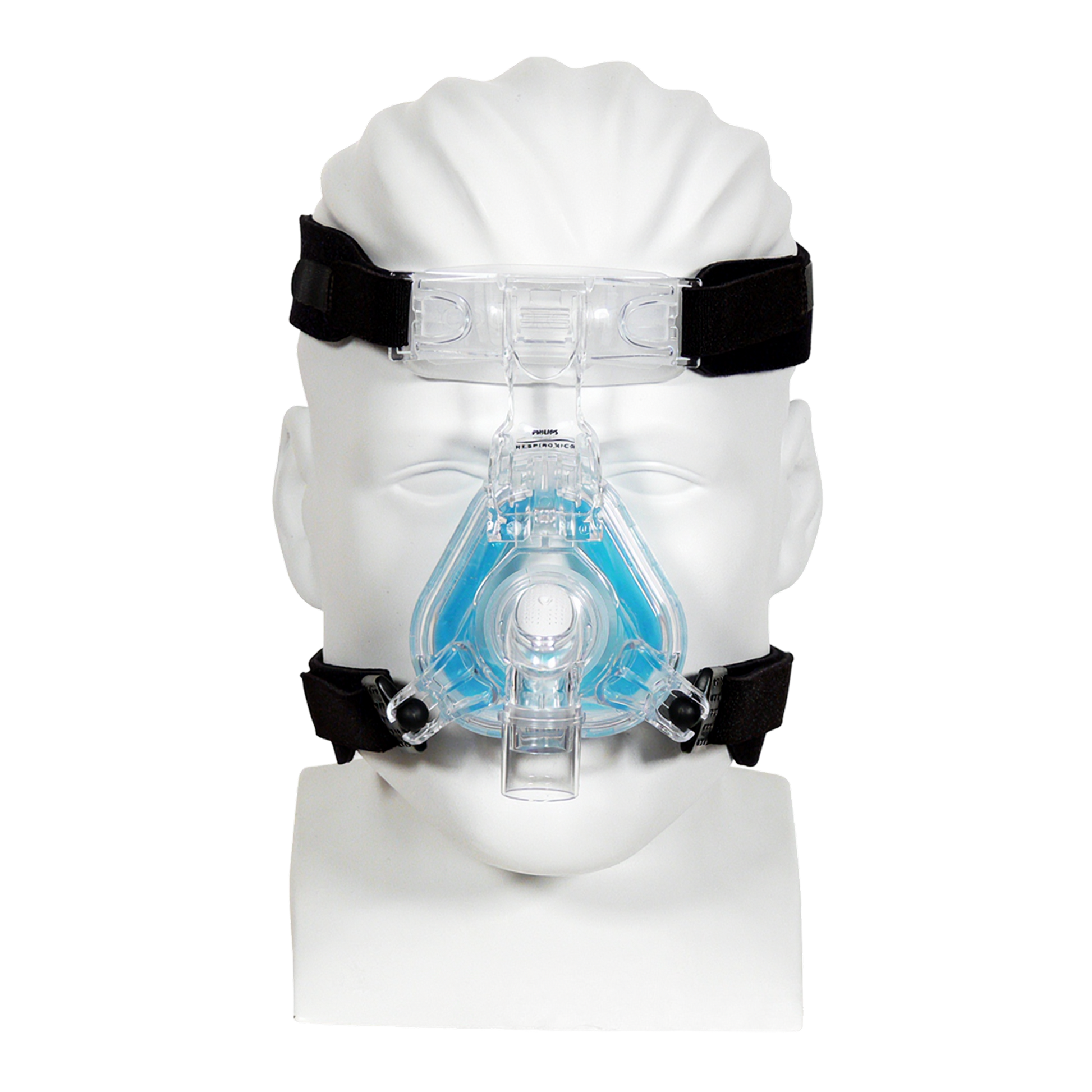
What Are Minimal Contact Nasal CPAP Masks?
A minimal contact nasal CPAP (continuous positive airway pressure) mask is a nasal mask that uses a small cushion and slim frame to deliver pressurized air through the nose while touching as little of the face as possible. Many designs cradle the nose from underneath, keeping the forehead and nose bridge clear.
Minimal contact nasal masks are a strong fit for people with sensitive skin, side sleepers, and CPAP users tired of pressure marks.
How Do Minimal Contact Nasal Masks Compare to Other CPAP Mask Types?
Minimal contact nasal masks sit between nasal pillows and traditional nasal masks in coverage, and they work best for nose breathers.
-
Vs. full face masks: A full face mask covers the nose and mouth and is the go-to for mouth breathers. Nose breathers can get effective therapy from a minimal contact nasal mask with far less coverage.
-
Vs. nasal pillow masks: A nasal pillow mask seals directly at the nostrils and is the lightest option. Some users find that direct airflow uncomfortable at higher pressures. A minimal contact nasal mask's small cushion spreads airflow out and can feel steadier.
-
Vs. traditional nasal masks: A traditional nasal mask's larger cushion spans the nose bridge and cheeks, creating more spots for marks and leaks. Minimal contact designs trim that footprint while keeping a dependable seal.
Which Minimal Contact Nasal CPAP Mask Is Right for You?
The right minimal contact nasal mask depends on your biggest comfort priority:
-
Sensitive skin: Choose an under-the-nose cradle cushion, which keeps the nose bridge completely clear of pressure.
-
Glasses and eyewear: Choose a low-profile frame that sits below the nose and routes tubing away from the face.
-
Higher pressure settings: Choose a cushion that surrounds the nose rather than one that barely touches it, since a slightly larger seal tends to stay put.
-
Side and stomach sleepers: Choose a compact frame with flexible headgear or top-of-head tubing to reduce pillow contact and leaks when you roll over.
Need Help Choosing the Best CPAP Mask?
There's no single best CPAP mask, only the best mask for you. Here's how CPAP.com can help:
-
Take the mask-fitting quiz: Get matched with a mask based on your face shape, pressure needs, and sleep style, backed by our 60-night fit guarantee.
-
Talk to a CPAP Guide: Get one-on-one help from a real person with mask fit, therapy setup, or insurance reimbursement.
-
Read the full guide: Compare every mask type in our Choosing the Right CPAP Mask guide.
-
Join the CPAPtalk community: Swap tips and mask reviews with other CPAP users in our free forum. Or just lurk. We won't tell.