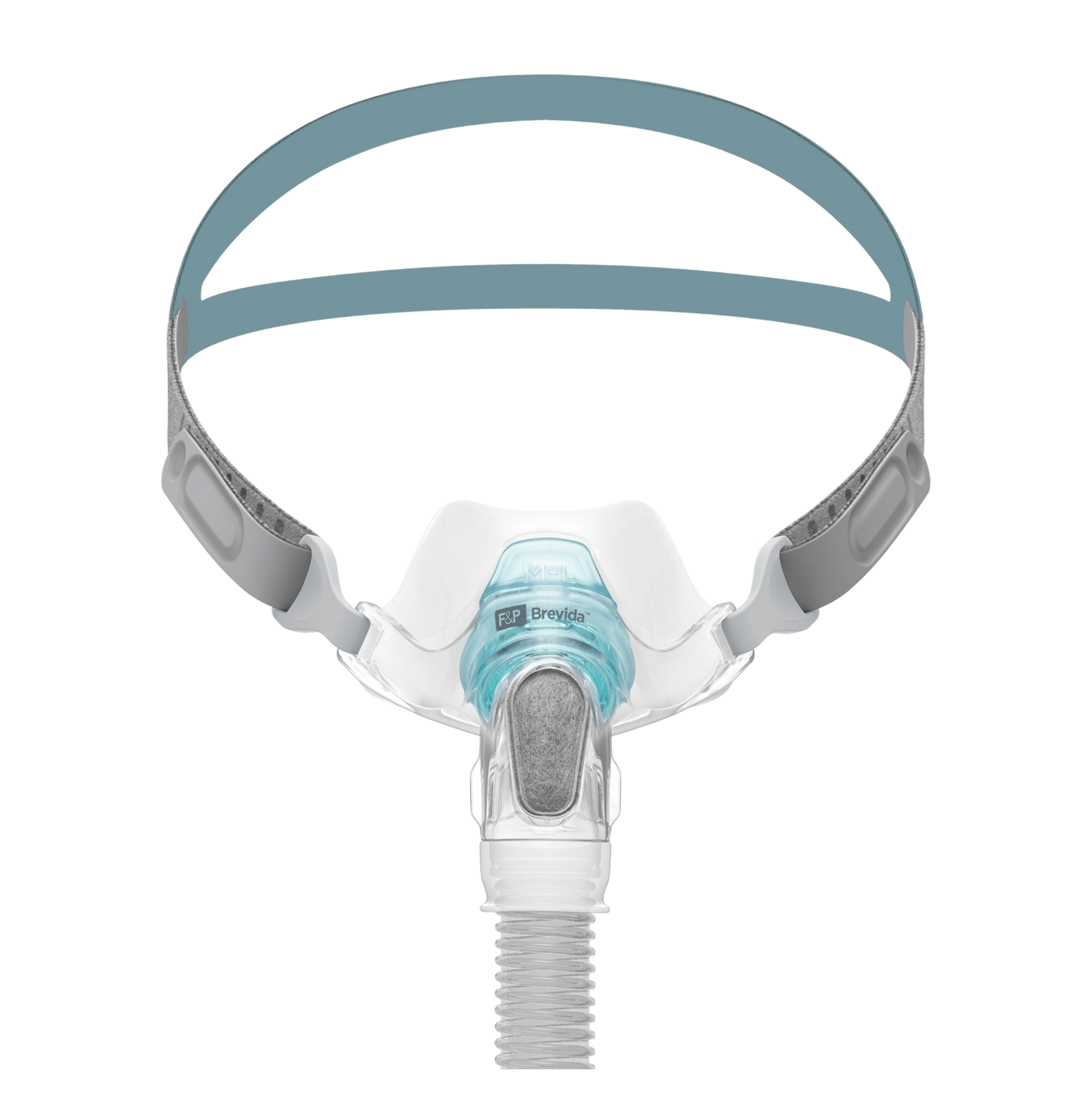
What Is a Minimal-Contact CPAP Mask?
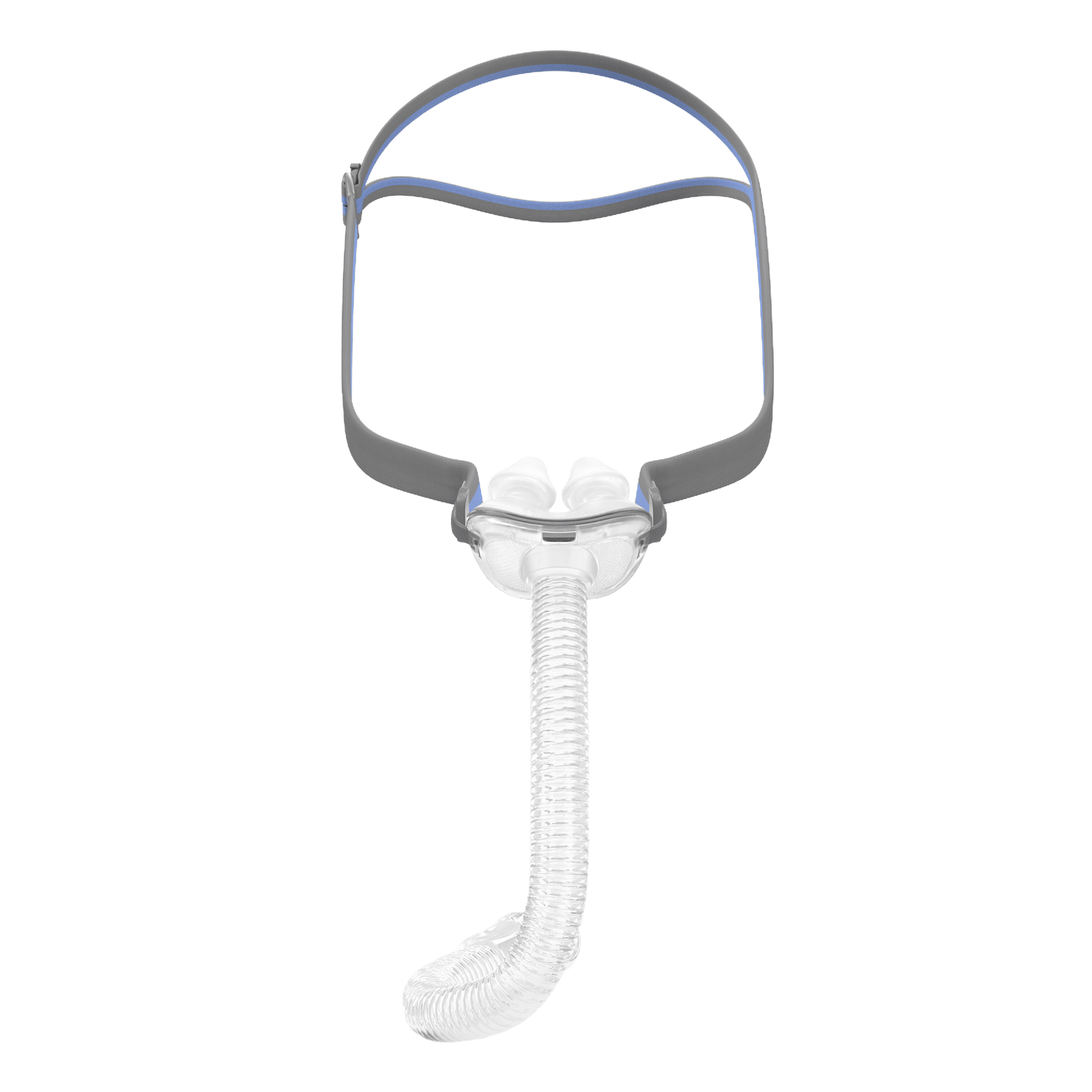
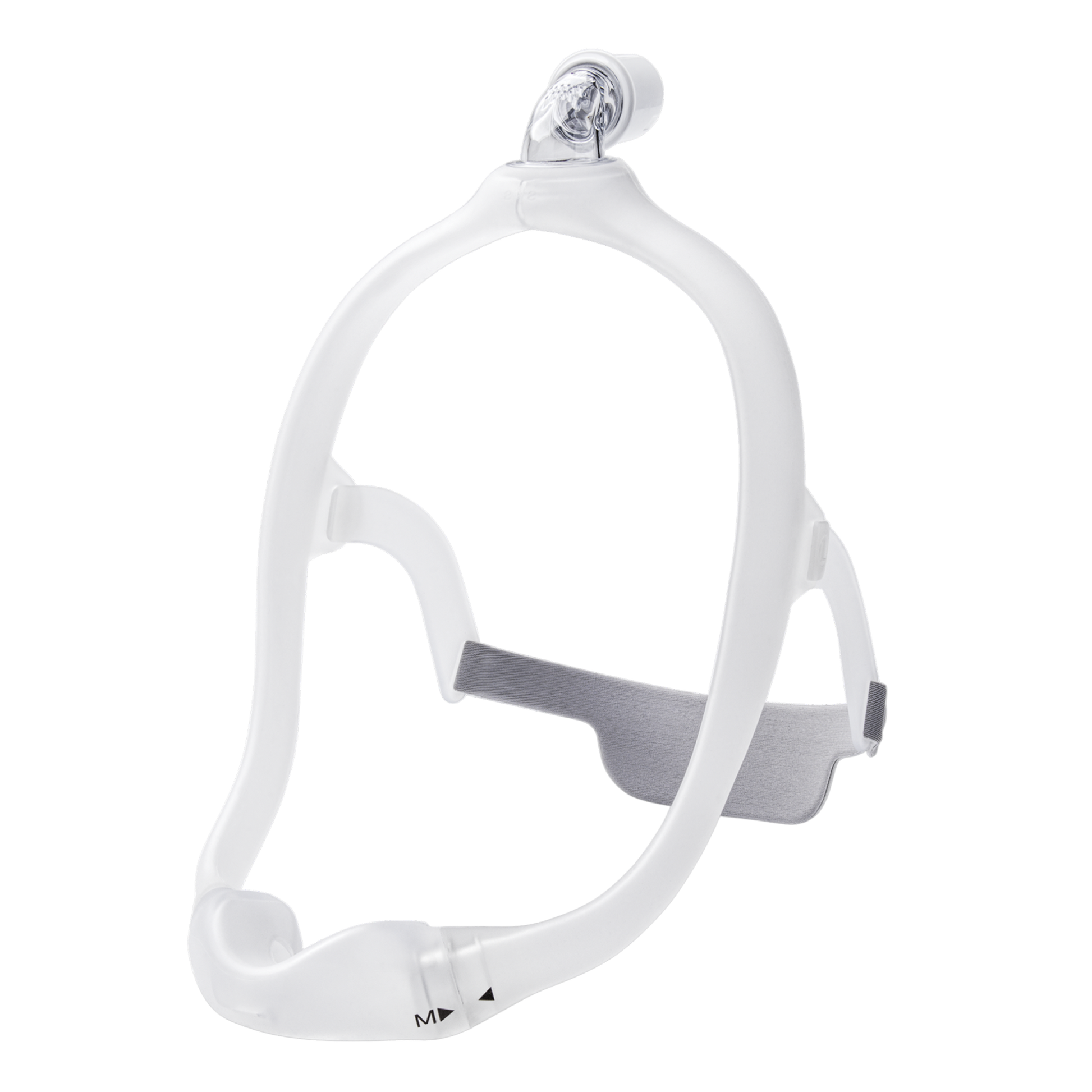
A minimal-contact CPAP mask uses a smaller cushion or nasal pillows instead of a large frame, cutting down on facial contact while still delivering consistent air pressure for sleep apnea therapy. Compared with a traditional full-face mask, a minimal-contact mask offers three main benefits:
-
Fewer pressure points: A smaller mask cushion touches less skin, which means fewer red lines and sore spots.
-
A clearer field of view: Open frames and under-the-nose designs keep the mask off the bridge of the nose and out of your line of sight.
-
An easier adjustment period: A lighter mask can help new users settle into nightly CPAP therapy and help longtime users stop noticing the mask.
What Types of Minimal-Contact Masks Does cpap.com Carry?
cpap.com carries minimal-contact CPAP masks in three styles, so nose breathers, mouth breathers, and combination breathers all have an option:
-
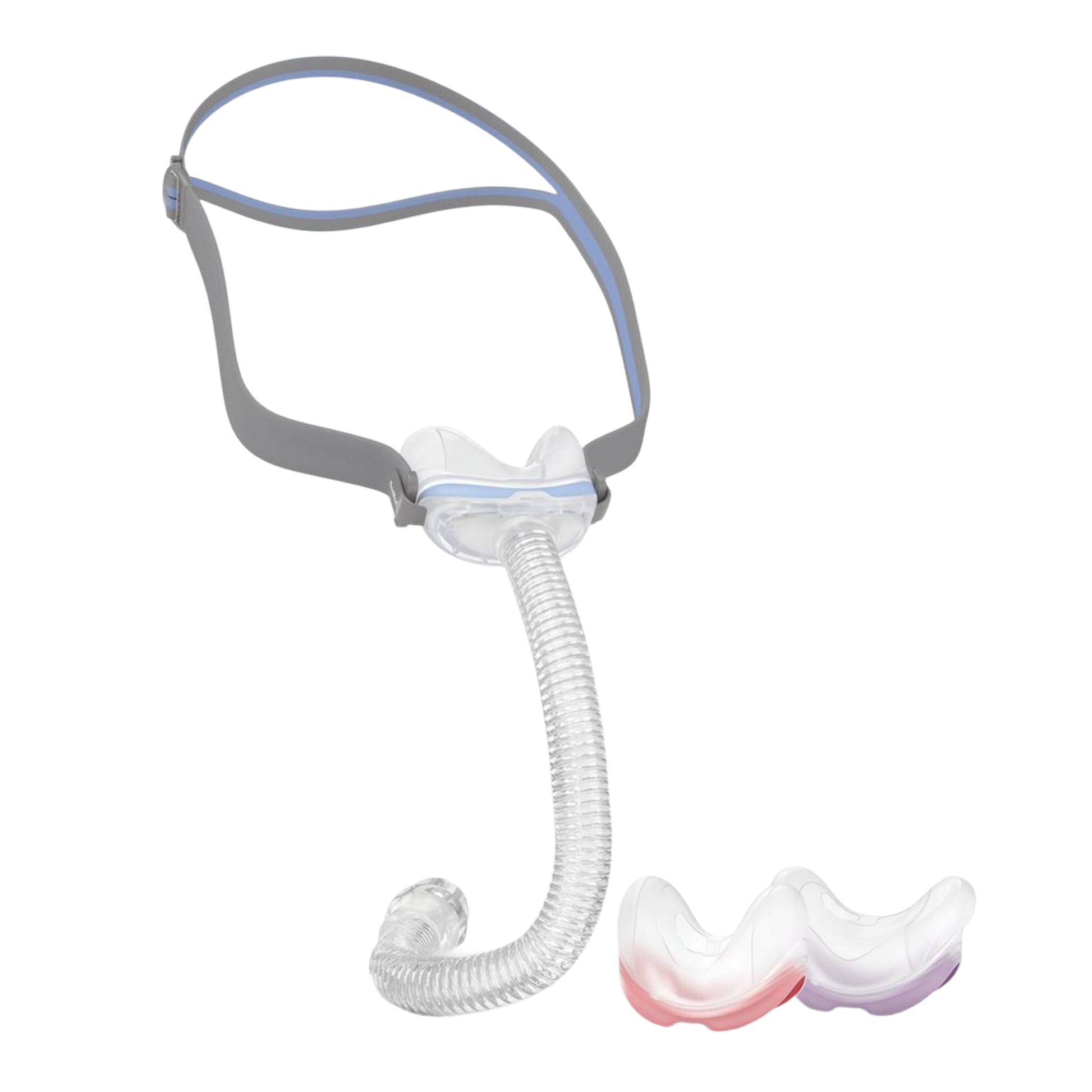
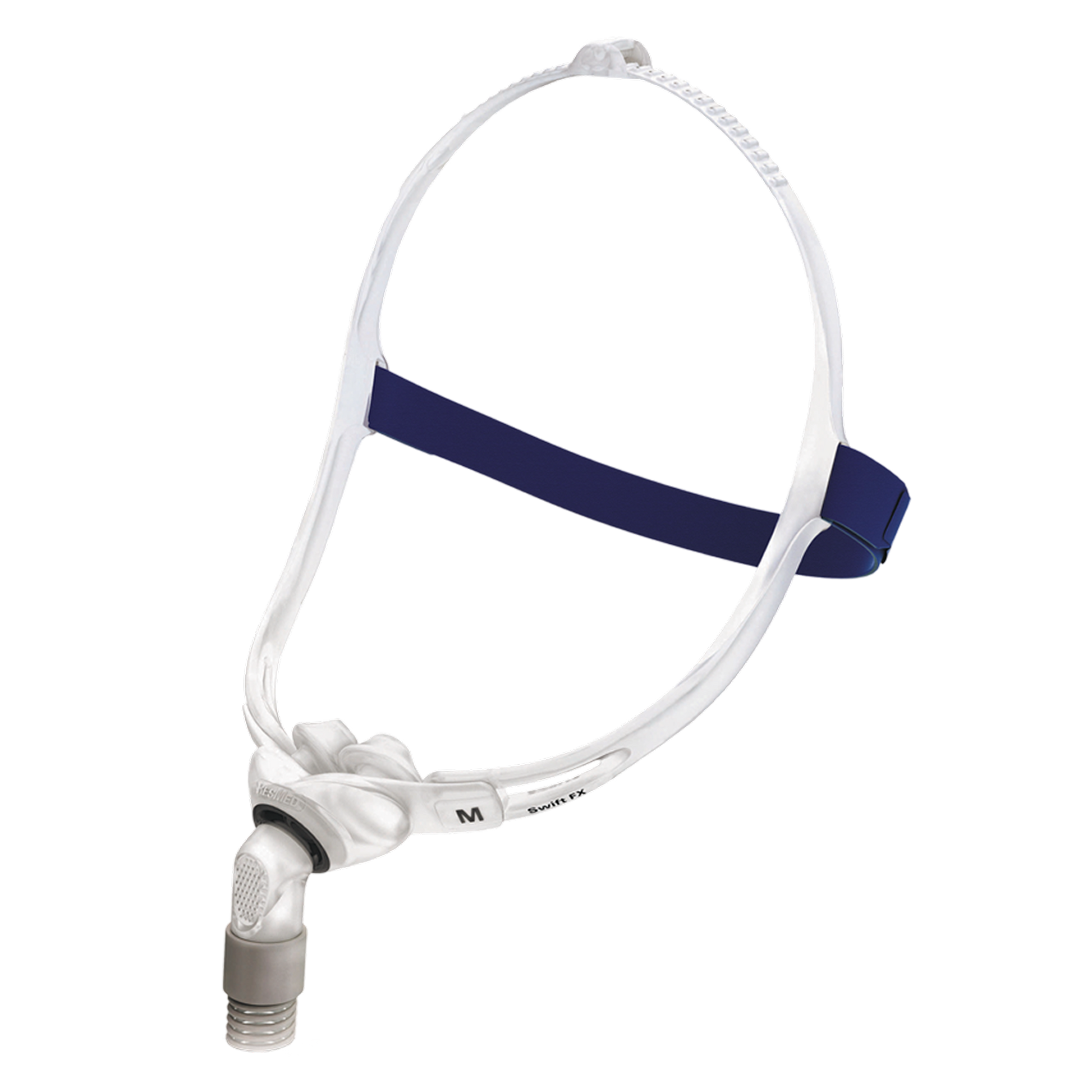
Nasal pillows masks: Small silicone inserts rest at the nostrils with an open frame, giving the least facial coverage of any CPAP mask type.
-
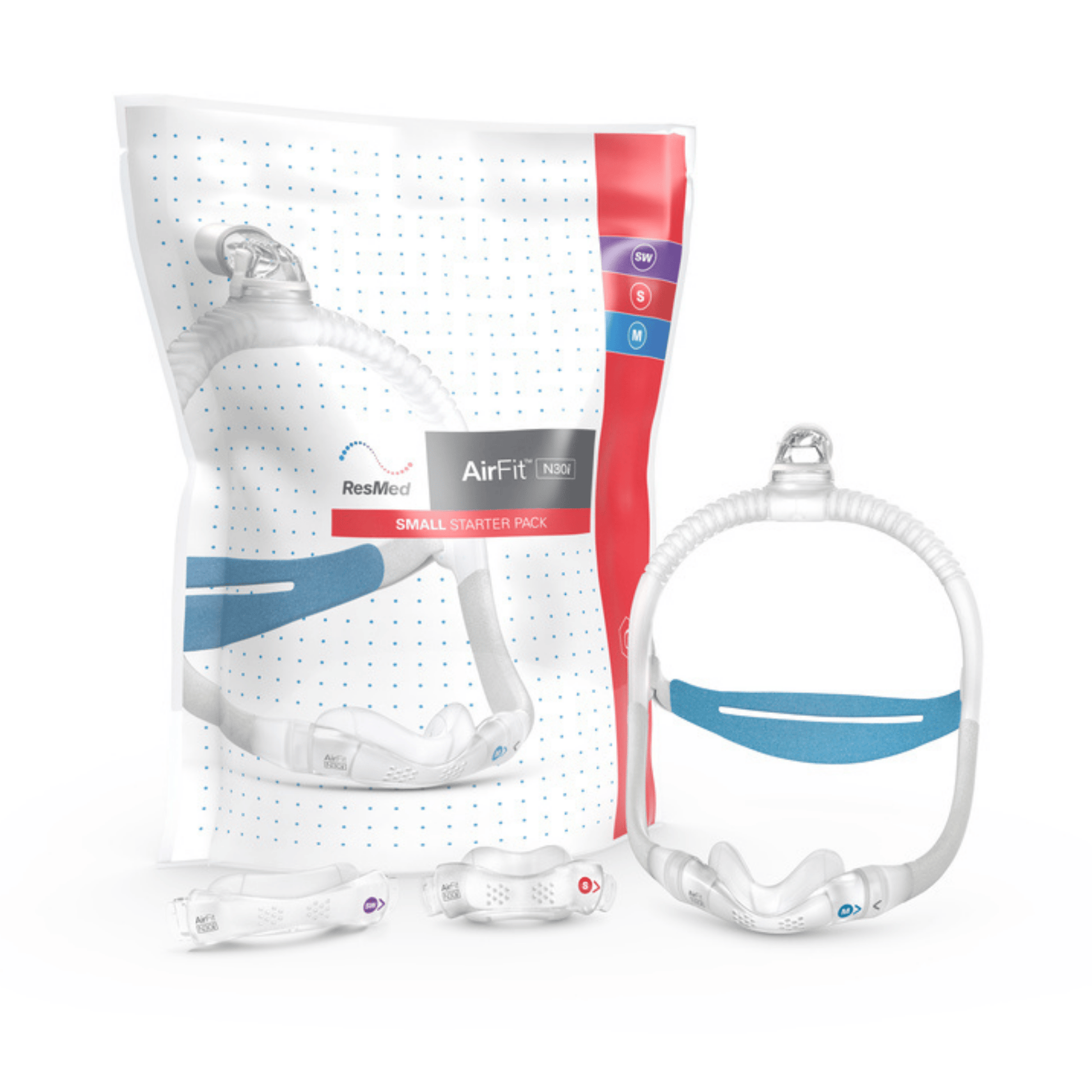
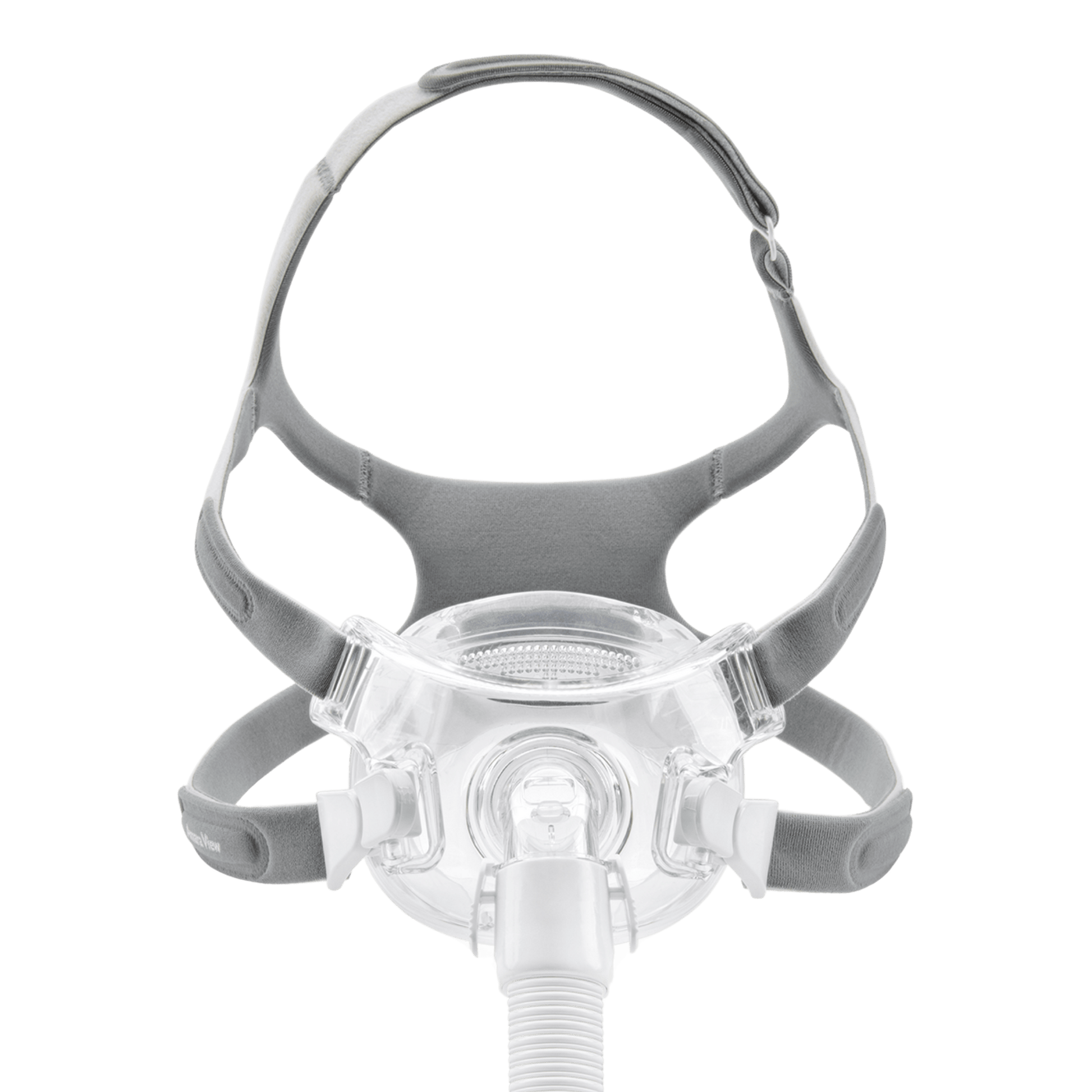
Nasal masks: A small cushion covers only the nose, and under-the-nose designs sit below the nasal bridge instead of on top of it. Nasal masks work best for people who breathe through their nose.
-
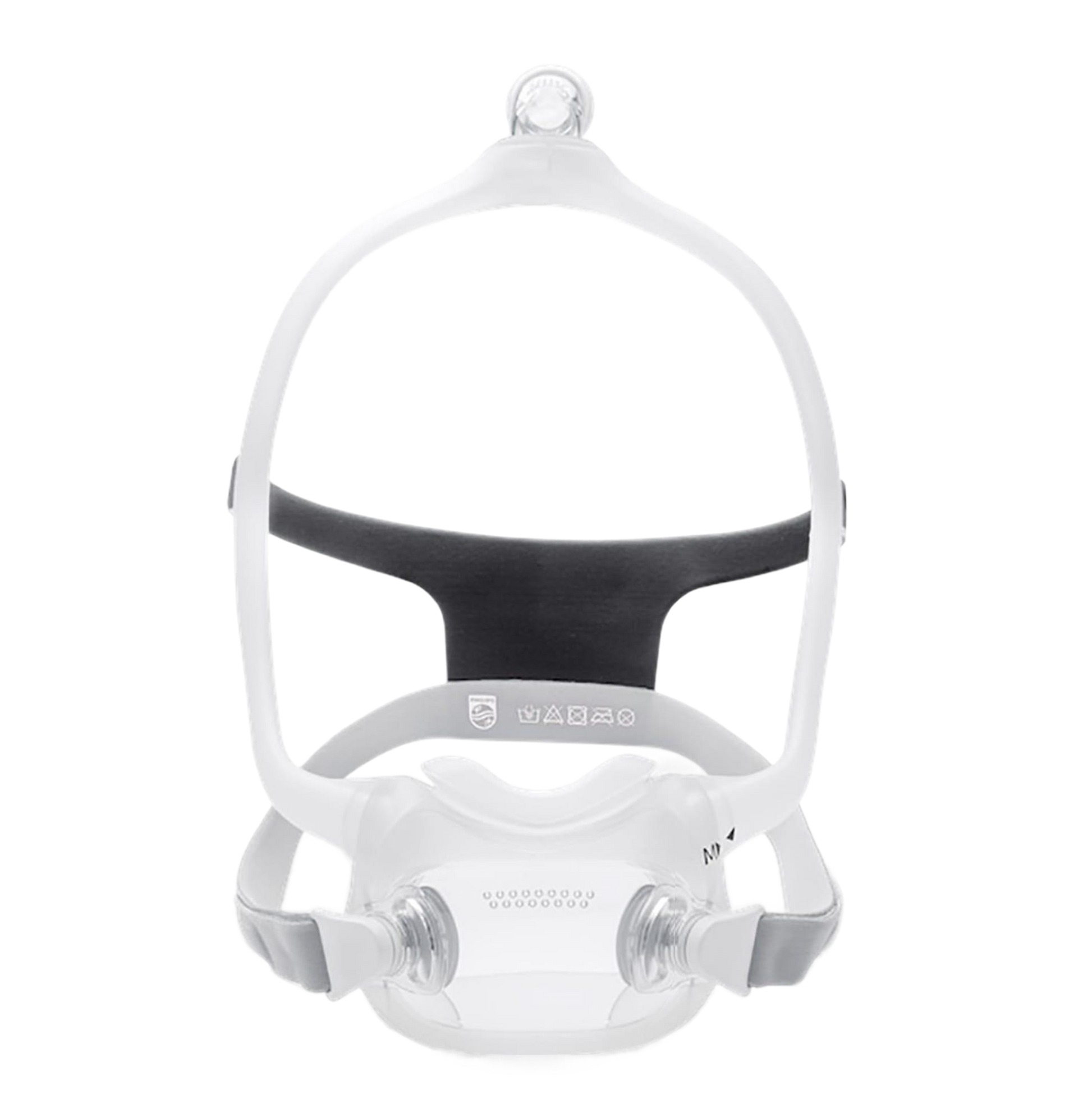
Minimal-contact full face masks: A minimal-contact full face mask covers the nose and mouth with an under-the-nose cushion instead of a large triangular cushion, reducing facial contact for mouth breathers.
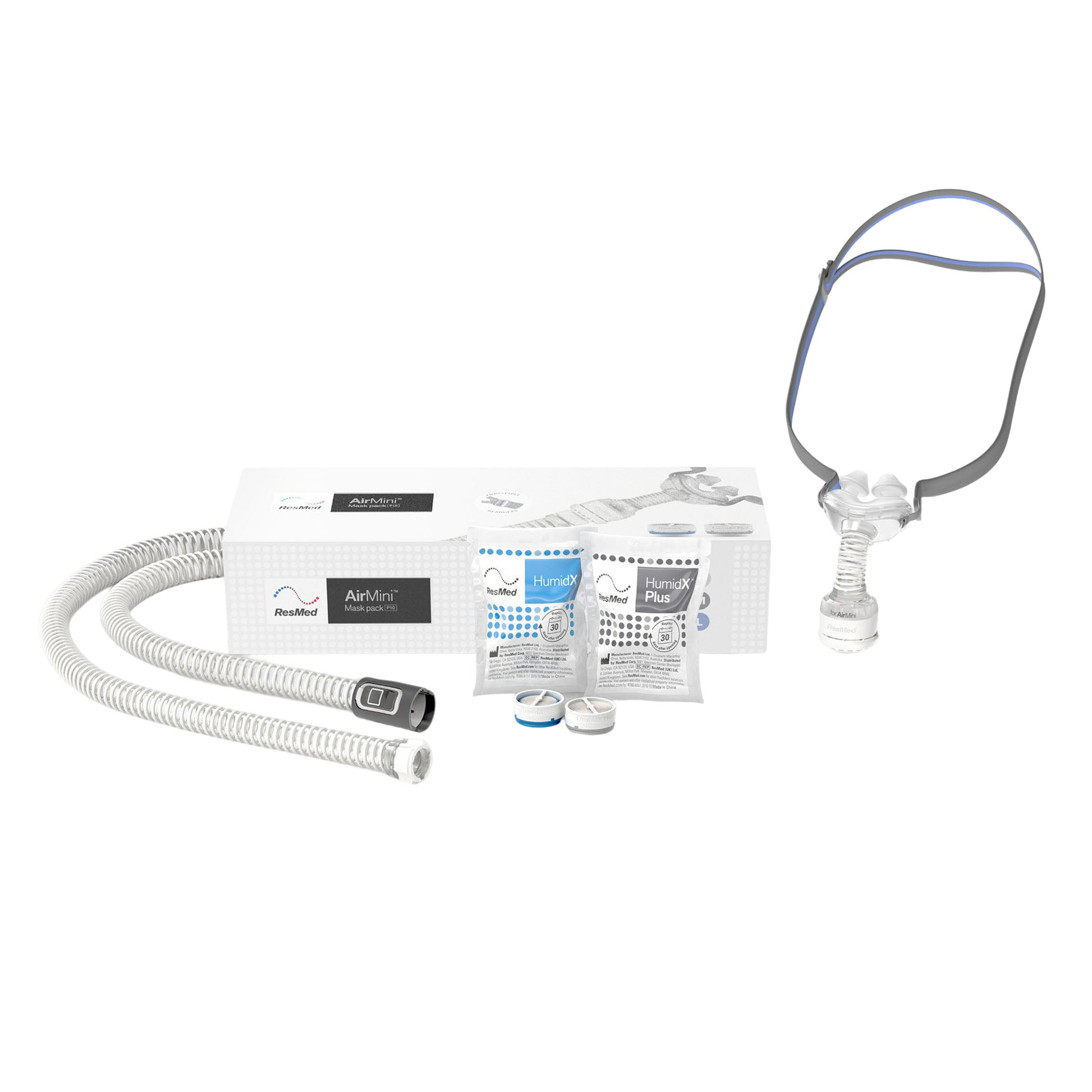
Brands like ResMed offer minimal-contact designs in all three styles. Browse the full selection to compare.
How Do You Choose the Right Minimal-Contact Mask for Your Needs?
The right minimal-contact mask depends on your skin, your breathing style, and your sleep habits:
-
Sensitive skin: Choose a memory foam or soft silicone cushion to reduce skin irritation and pressure points.
-
Mouth breathing: Choose a minimal-contact full face mask, or pair a nasal or nasal pillows mask with a chin strap to prevent air leaks.
-
Wearing glasses: Choose a nasal pillows or under-the-nose mask to keep the bridge of your nose clear.
-
Side sleeping: Choose a mask with top-of-head air tubing to keep the hose up and out of the way.
Need Help Finding Your Fit?
cpap.com offers four ways to find the right minimal-contact CPAP mask:
-
Mask-fitting quiz: Answer a few questions about your face shape, breathing, and sleep habits to get matched with the mask types that suit you.
-
CPAP Guides: Talk one-on-one with a CPAP Guide about mask options, sizing, and comfort by calling 1-800-356-5221.
-
CPAPtalk.com: Read mask tips and honest reviews from more than 40,000 CPAP users on CPAPtalk.com, cpap.com’s free online forum.
-
60-night fit guarantee: If your new mask isn’t the right fit, cpap.com will help you exchange it.