What makes a CPAP mask work for active sleepers?
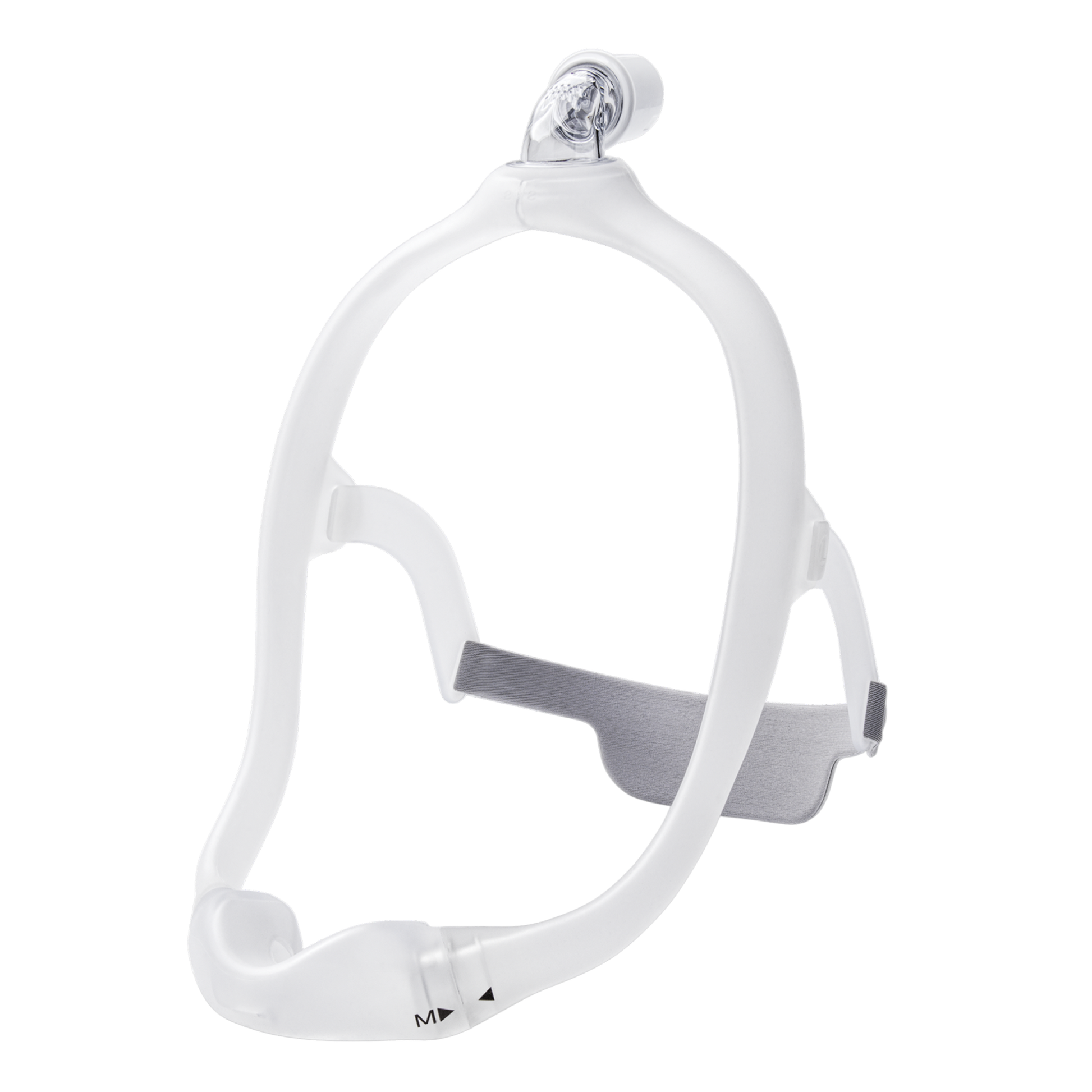
The best CPAP mask for active sleepers holds a secure seal while you change positions. Look for secure multi-point headgear, a low-profile frame, a flexible cushion, and tubing that connects at the top of your head.
An active sleeper is someone who changes sleep positions frequently throughout the night, often rolling between back, side, and stomach. Each position change can shift a CPAP mask, break the seal, and cause air leaks that interrupt sleep.
A stable seal matters because your CPAP machine uses continuous positive airway pressure (CPAP) to keep your airway open and treat obstructive sleep apnea. When a mask leaks or slips, your CPAP therapy becomes less effective.
Which CPAP mask type fits your sleep style?
The right CPAP mask type depends on how you breathe and how you move. Here's how the three main CPAP mask styles compare:
-
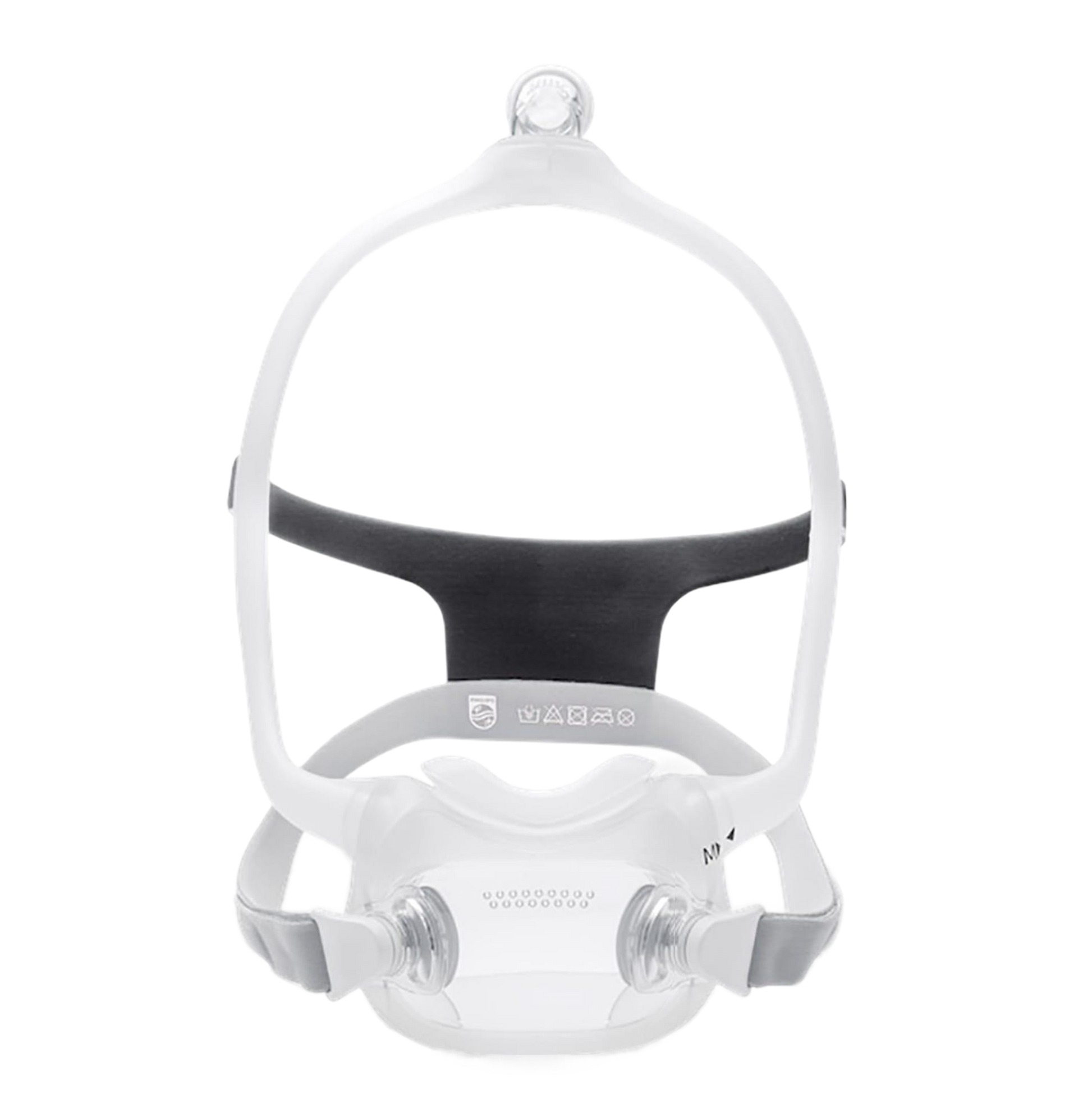
Full face mask: Covers the nose and mouth. Best for mouth breathers who sleep on their back and side, since a slim frame and flexible cushion hold the seal as you roll.
-
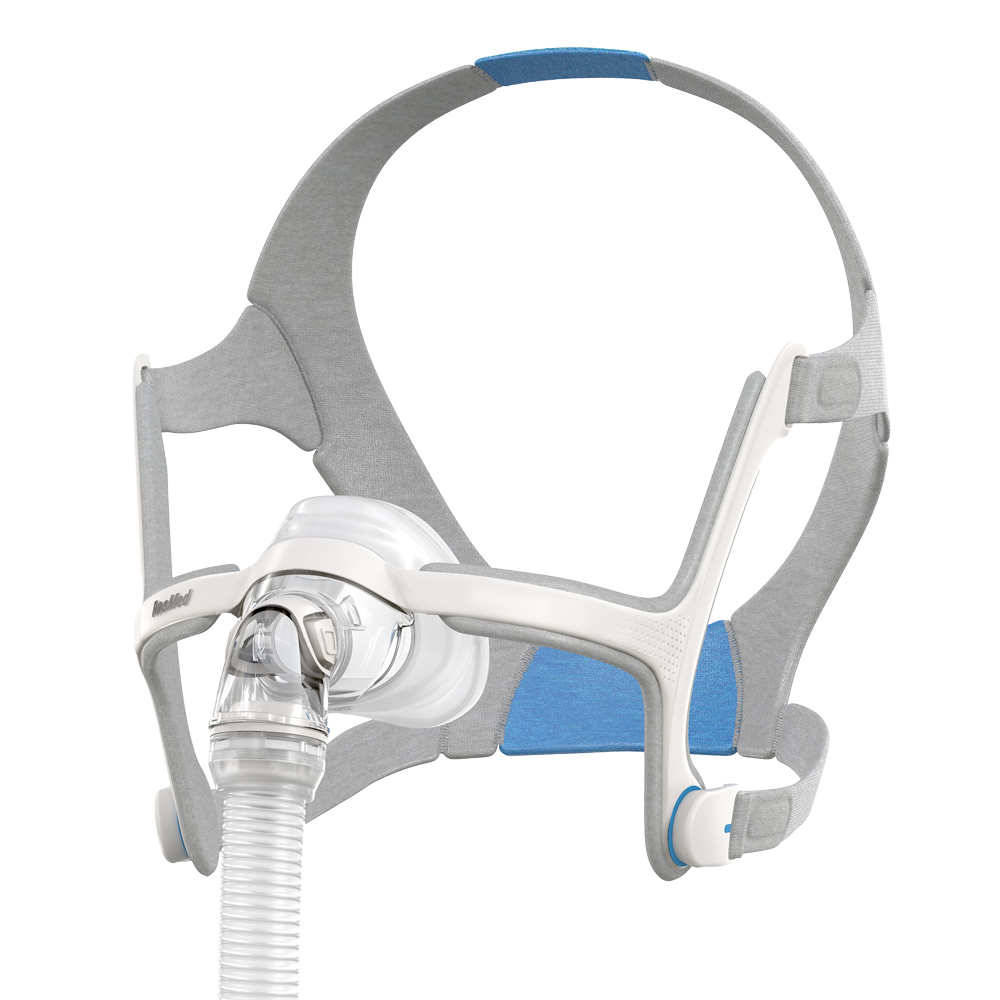
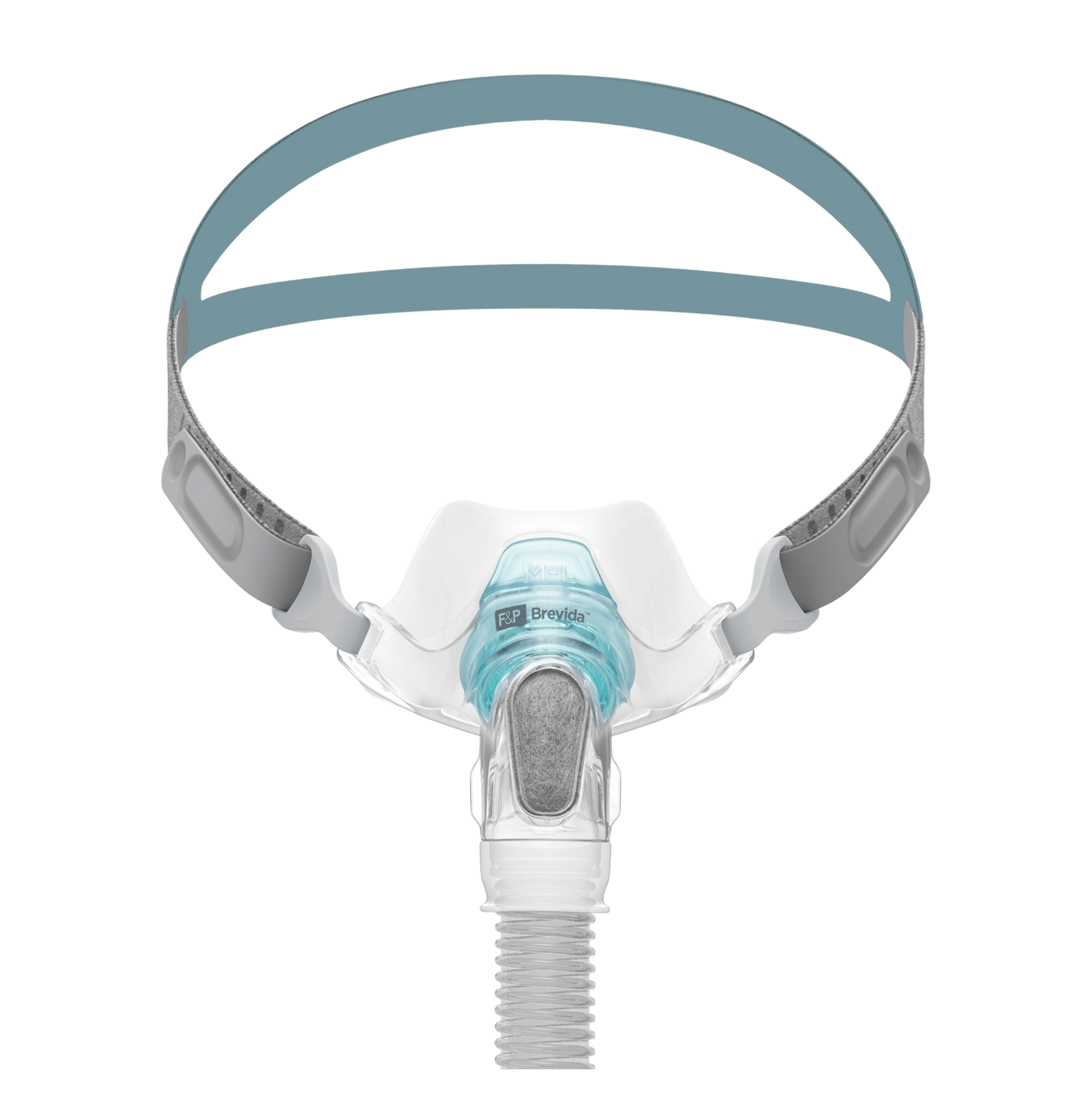
Nasal mask: Covers the nose only. Best for nose breathers who want cushion support, since the smaller profile gives your pillow less to push against.
-
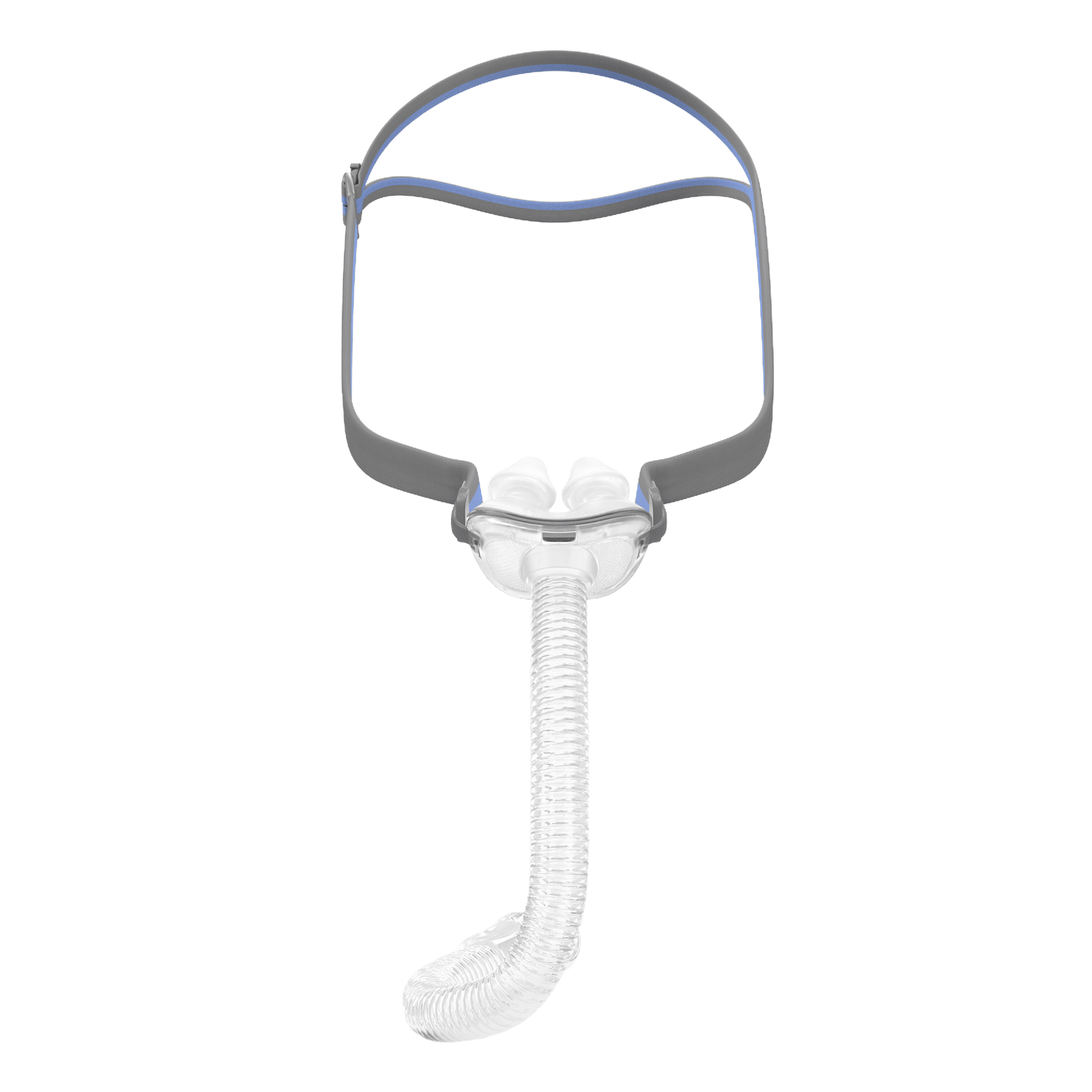
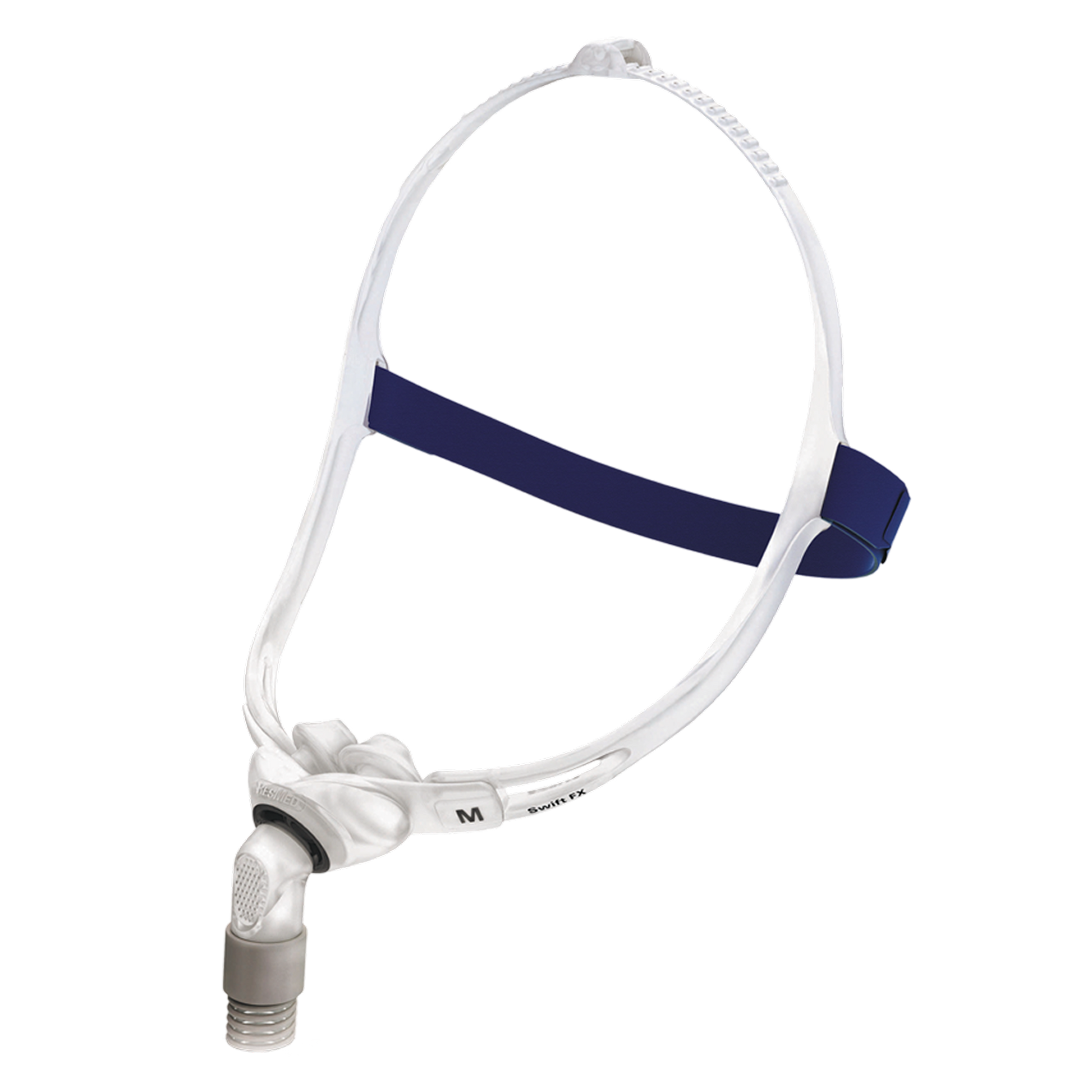
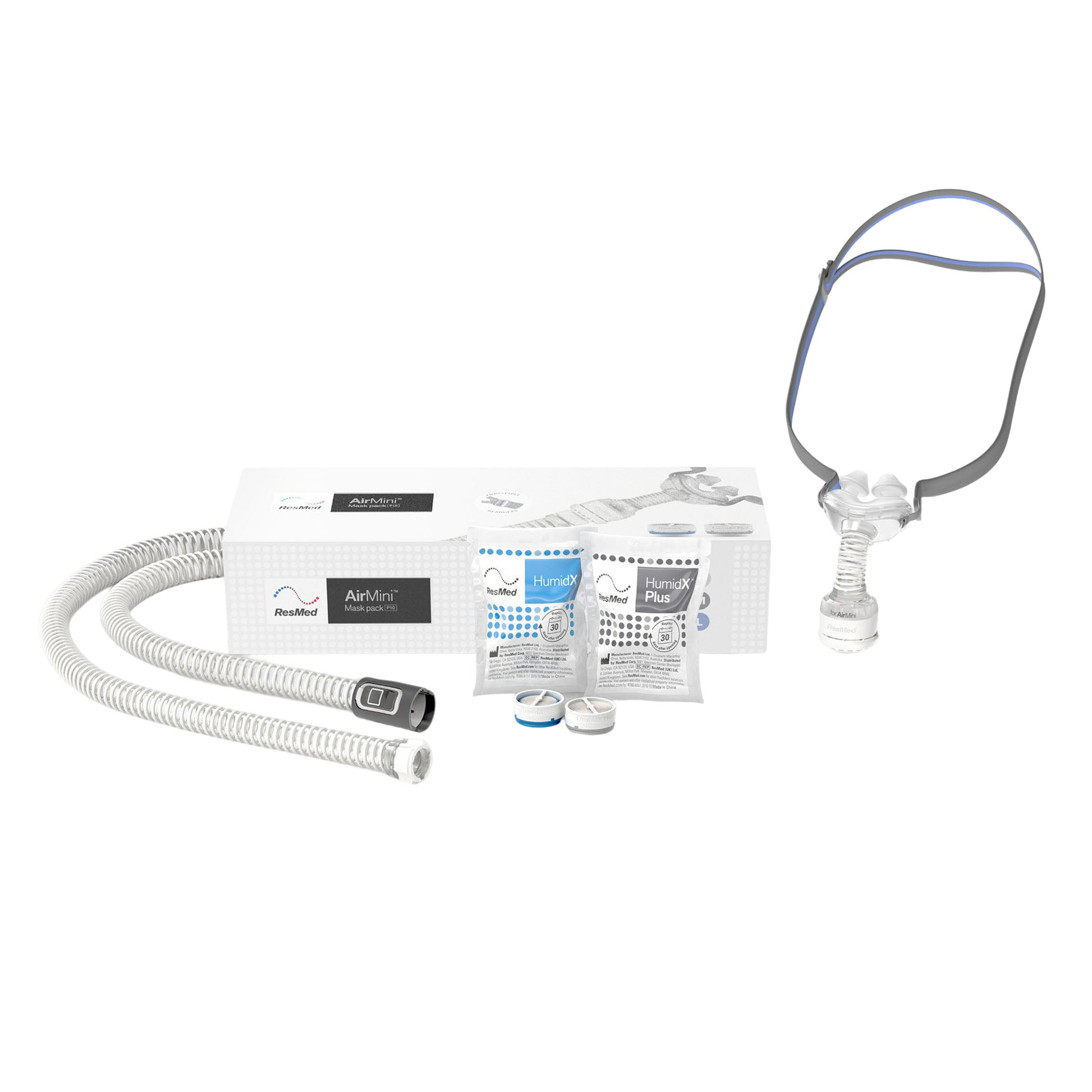
Nasal pillow mask: Sits at the base of the nostrils. Best for nose breathers who sleep on their side or stomach, since minimal facial contact means less material to shift or knock loose. It's also a strong option if you have facial hair, since there's no cushion resting on your upper lip.
What features should active sleepers look for?
-
Secure headgear: Adjustable, multi-point straps hold a CPAP mask in place through movement better than single-strap designs.
-
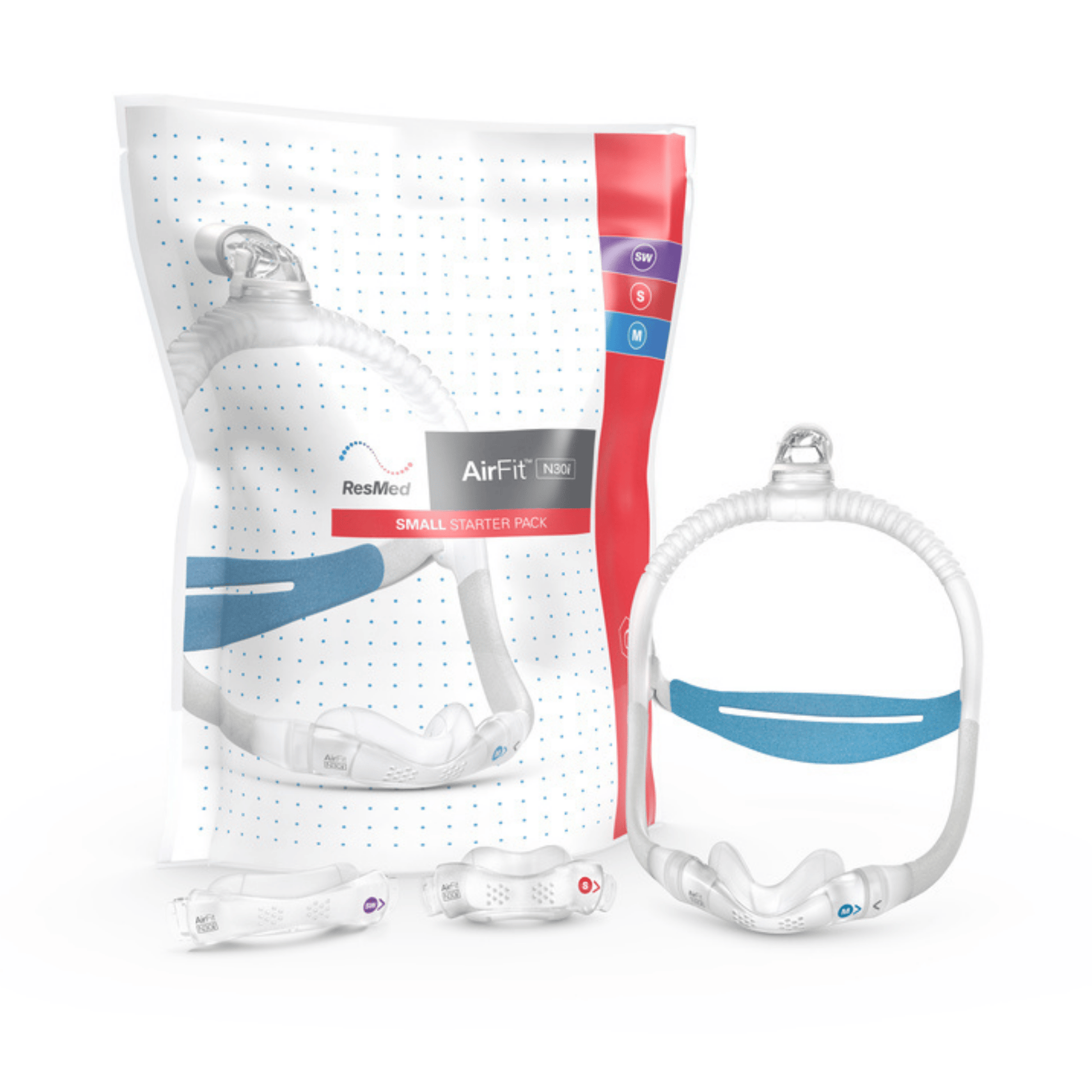
Top-of-head tubing: Tubing that connects at the top or side of the head reduces tangling and tugging when you change positions.
-
Flexible cushions: Silicone and memory foam cushions mold to your face and keep the seal intact as your head shifts.
-
Low-profile frames: Slimmer, flexible frames help prevent air leaks when you roll onto your side or stomach.
How do you find your most comfortable CPAP mask?
CPAP.com offers three ways to find your perfect CPAP mask:
-
Mask fitting quiz: Answer a few questions about your face shape and sleeping position for a personalized recommendation.
-
60-night fit guarantee: Try a mask risk-free and exchange it if it doesn't hold up through a full night of movement.
-
CPAP Guides: Get one-on-one help from CPAP.com experts who know CPAP equipment inside and out and work with CPAP users every day.