What Makes a Nasal CPAP Mask Better for Sensitive Skin?
The best nasal CPAP masks for sensitive skin have soft cushions, gentle materials, and a seal that doesn't require tight straps.
-
Soft cushion material. Silicone seals well but can trap moisture and oil. Fabric-wrapped or memory foam cushions feel softer and spread pressure evenly.
-
Mask liners. A CPAP mask liner is a soft barrier between your skin and the cushion that reduces rubbing and absorbs moisture. Reusable liners are washable and budget-friendly.
-
Gentle materials. If you've reacted to a mask before, choose latex-free parts and skip fragranced cleaners, which can leave irritating residue.
-
A secure seal without the squeeze. A well-fitted mask stops leaks without overtightened straps, a frequent cause of skin irritation.
Nasal Mask vs. Nasal Pillow vs. Full Face: Which Is Right for Sensitive Skin?
For sensitive skin, less facial contact usually means less irritation.
-
Nasal masks cover only the nose, leaving the mouth, chin, and most of the cheeks free. They're a supportive middle ground for nose breathers.
-
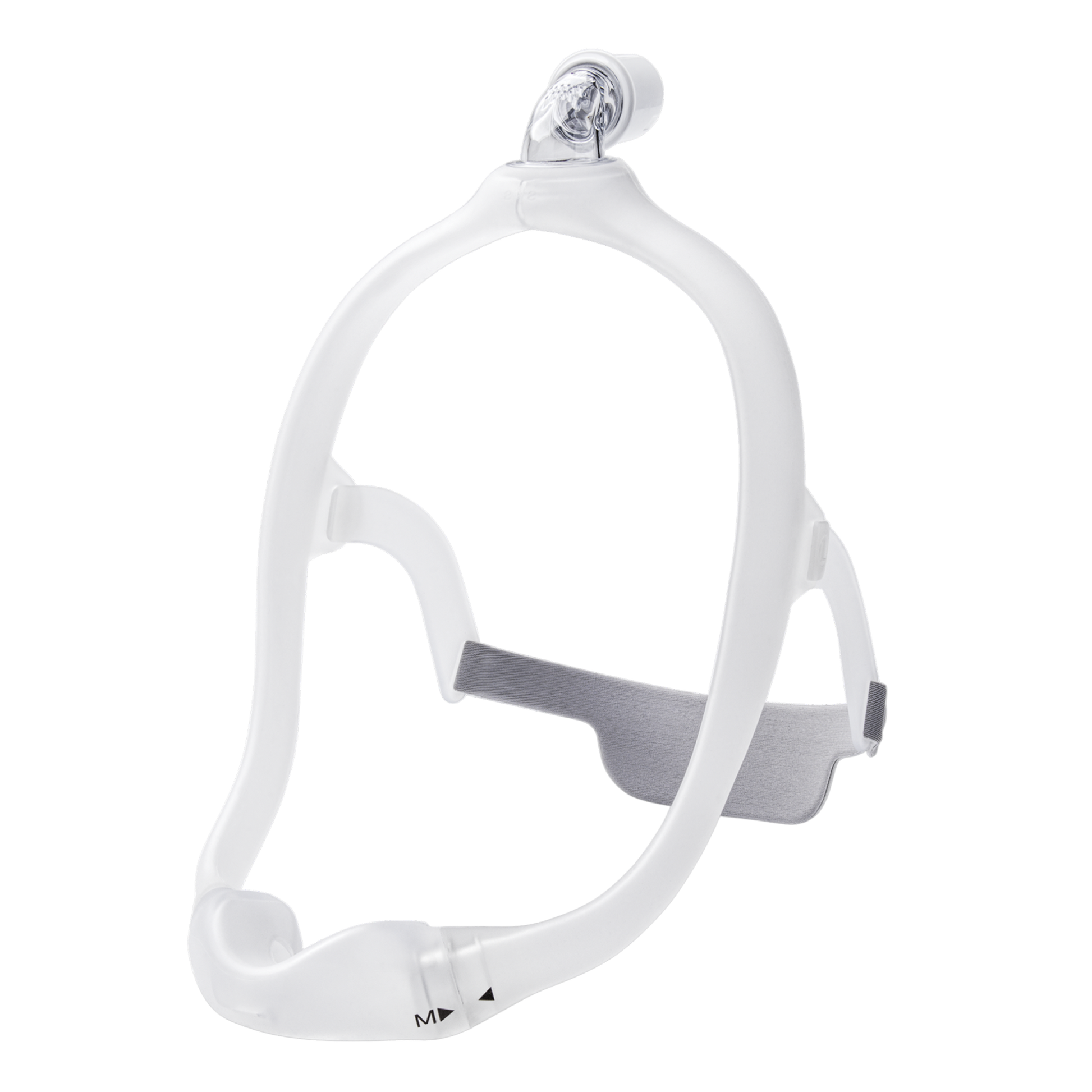
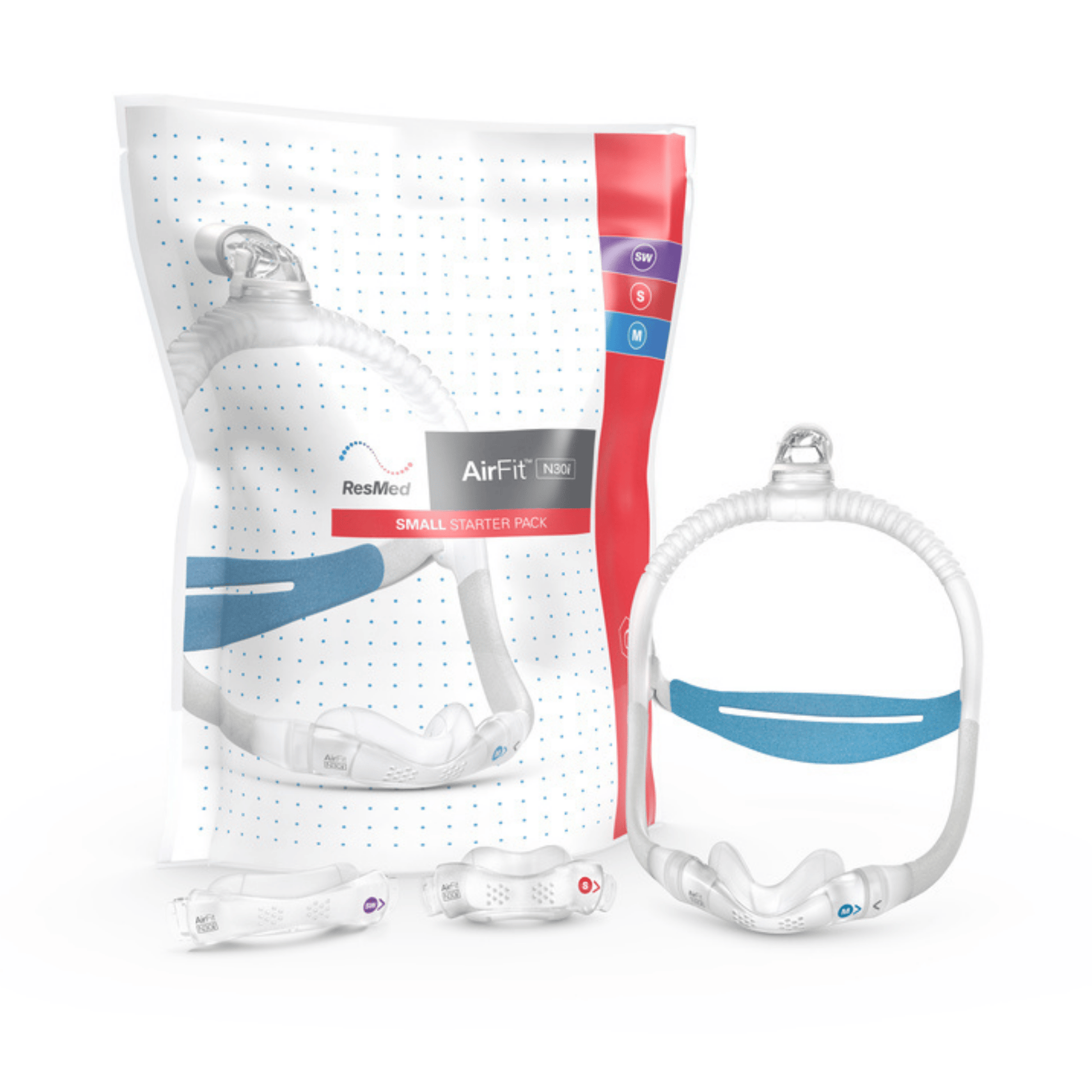
Nasal pillow masks seal at the nostrils, so almost nothing rests on your face. They're a strong fit for very sensitive skin or anyone who feels closed in by bigger masks.
-
Full face masks cover the nose and mouth, making them the go-to for mouth breathers. More contact means more irritation risk, so add a mask liner.
How to choose: Match the mask to how you breathe and sleep, with smaller frames for side and stomach sleepers. Mild irritation may only need a liner, while frequent soreness is a reason to try nasal pillows.
How Can You Prevent Skin Irritation During CPAP Therapy?
Daily cleaning, timely replacements, and well-adjusted straps help prevent CPAP skin irritation.
-
Clean your mask daily. Oil, sweat, and skincare products build up on the cushion overnight. Wash it with mild, unscented soap and warm water or an unscented CPAP wipe.
-
Replace cushions and liners on schedule. Worn cushions stiffen and lose their seal, causing more rubbing and strap tightening.
-
Keep straps snug, not tight. Needing to crank the headgear to stop leaks often means you need a different size or style.
-
See your doctor if irritation persists. Redness that won't fade, open sores, or rashes should be checked.
Not Sure Which Mask Is Right for You?
Here's how CPAP.com helps: