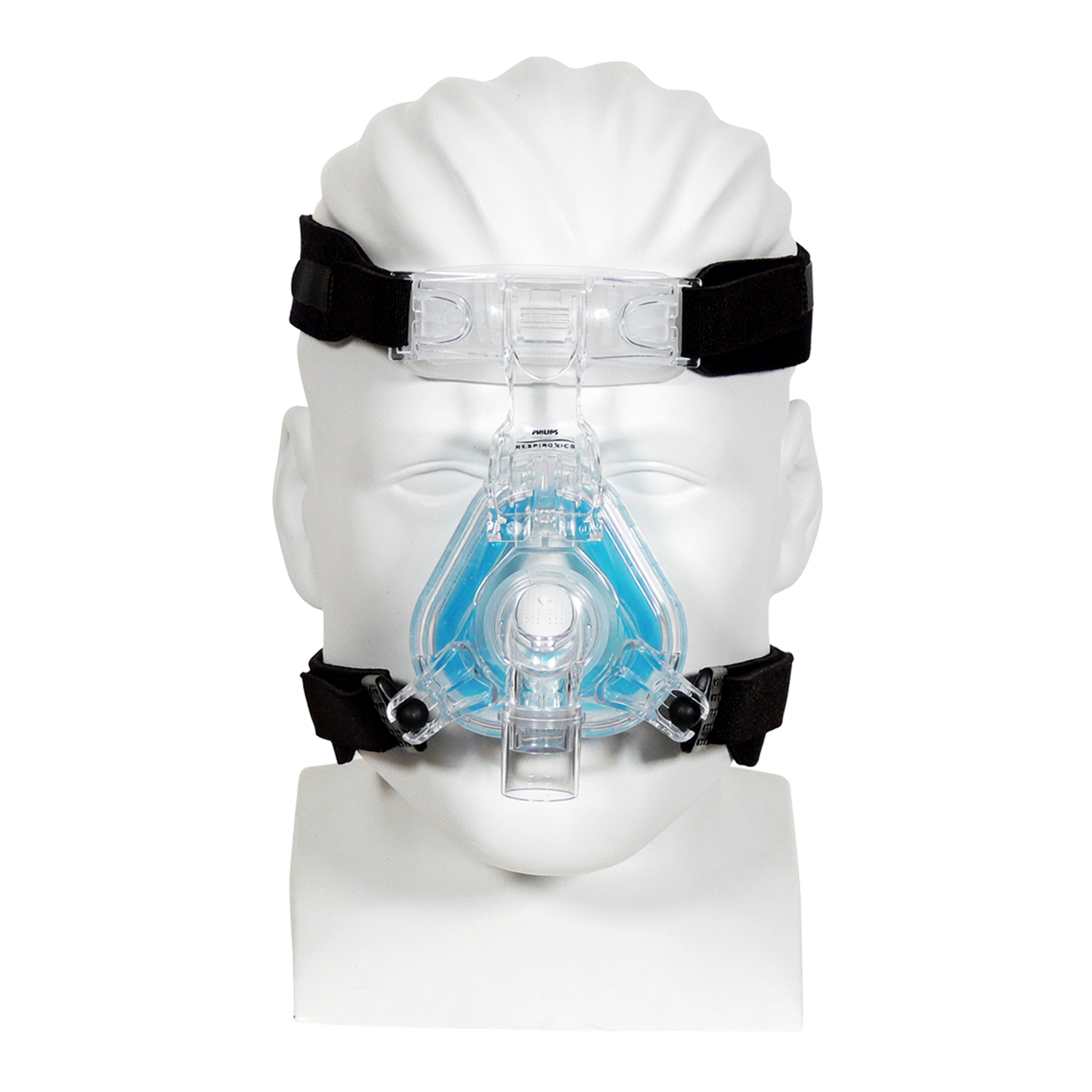
What Makes Nasal CPAP Masks Different From Other Mask Types?
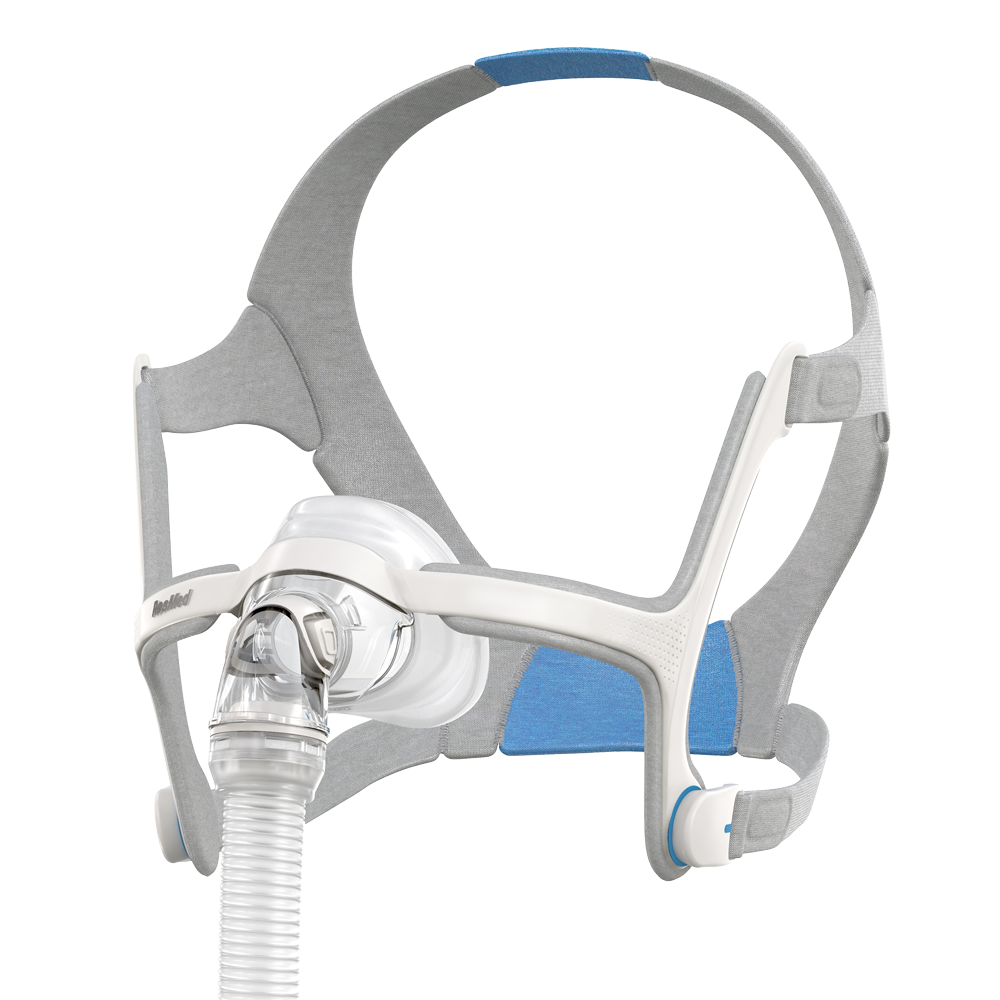
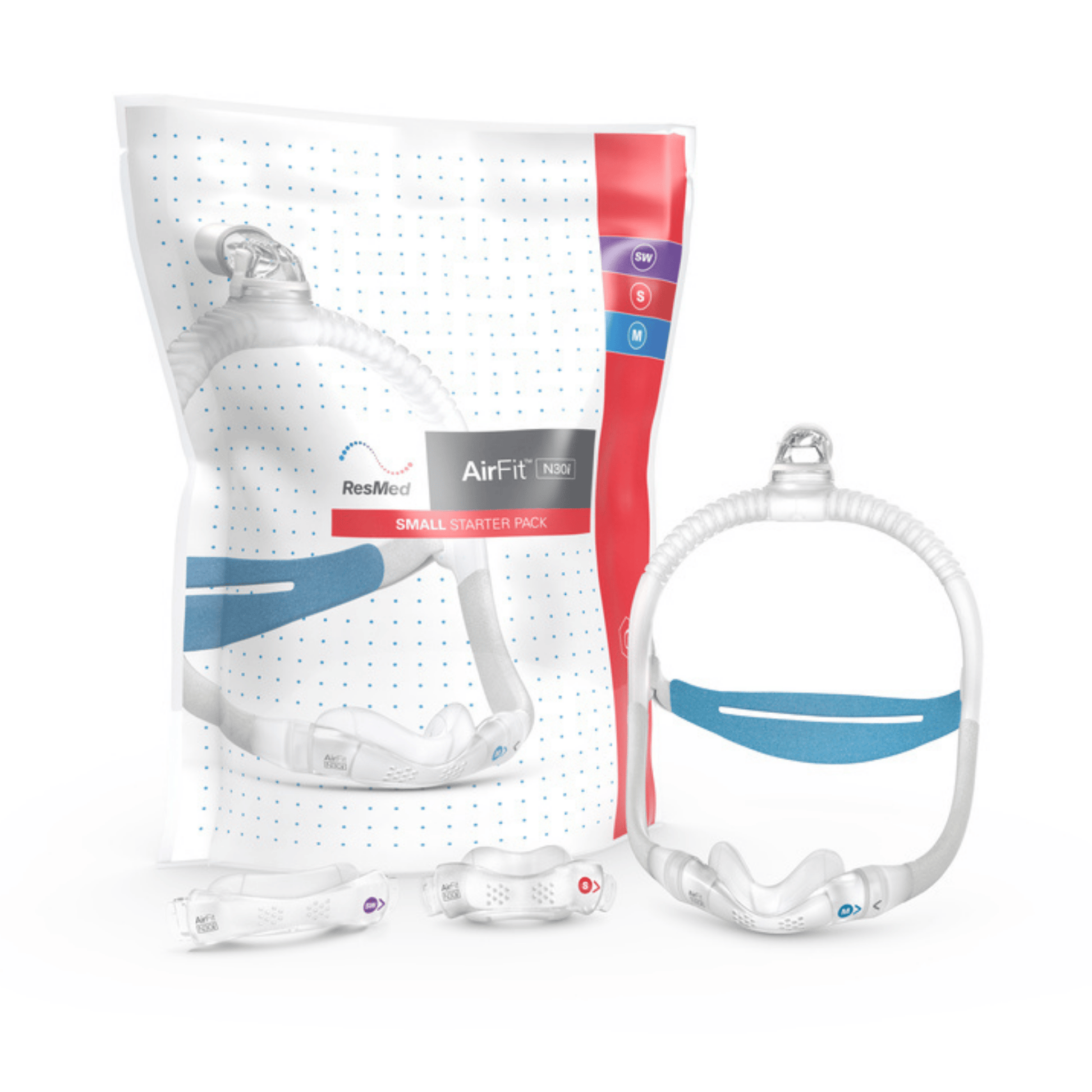
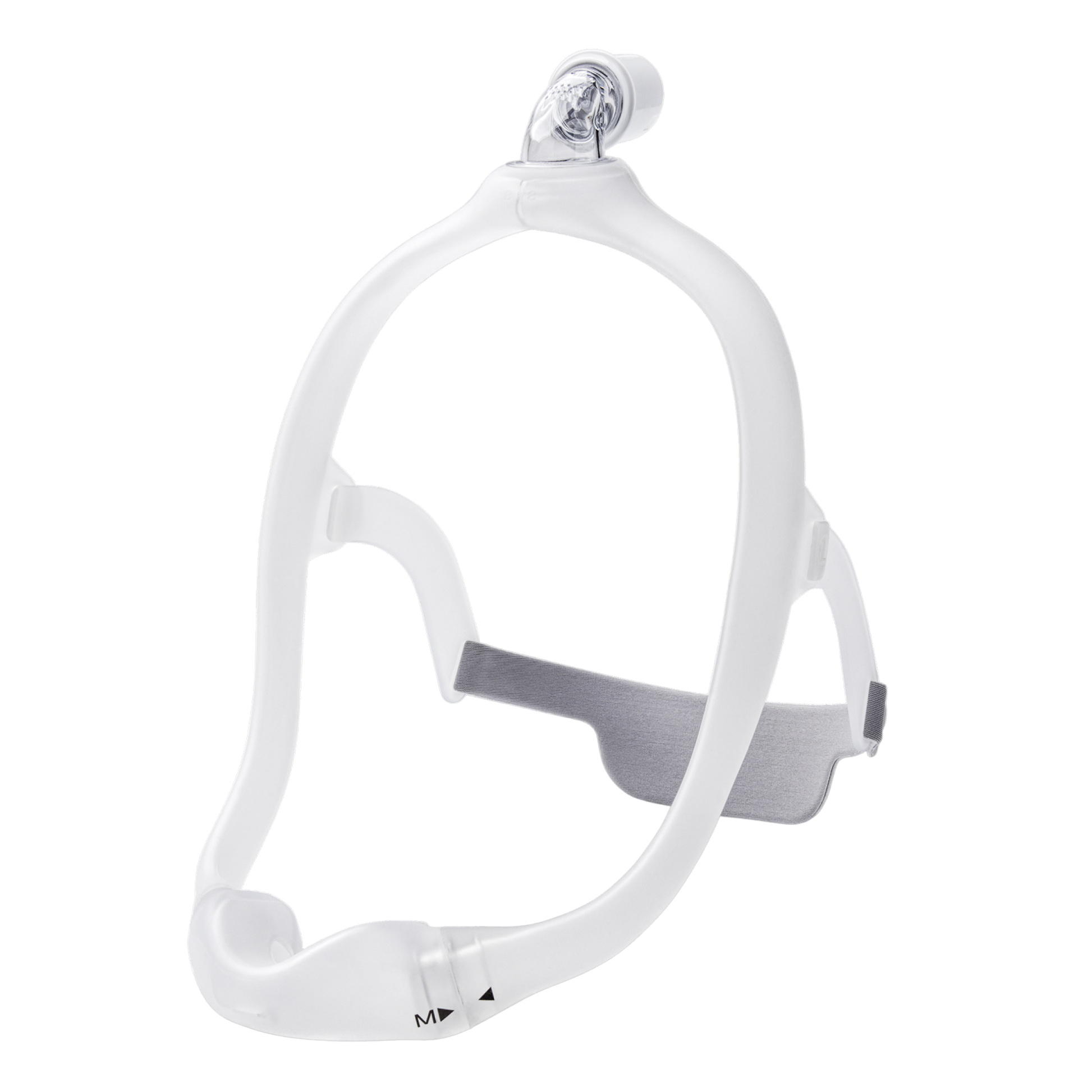
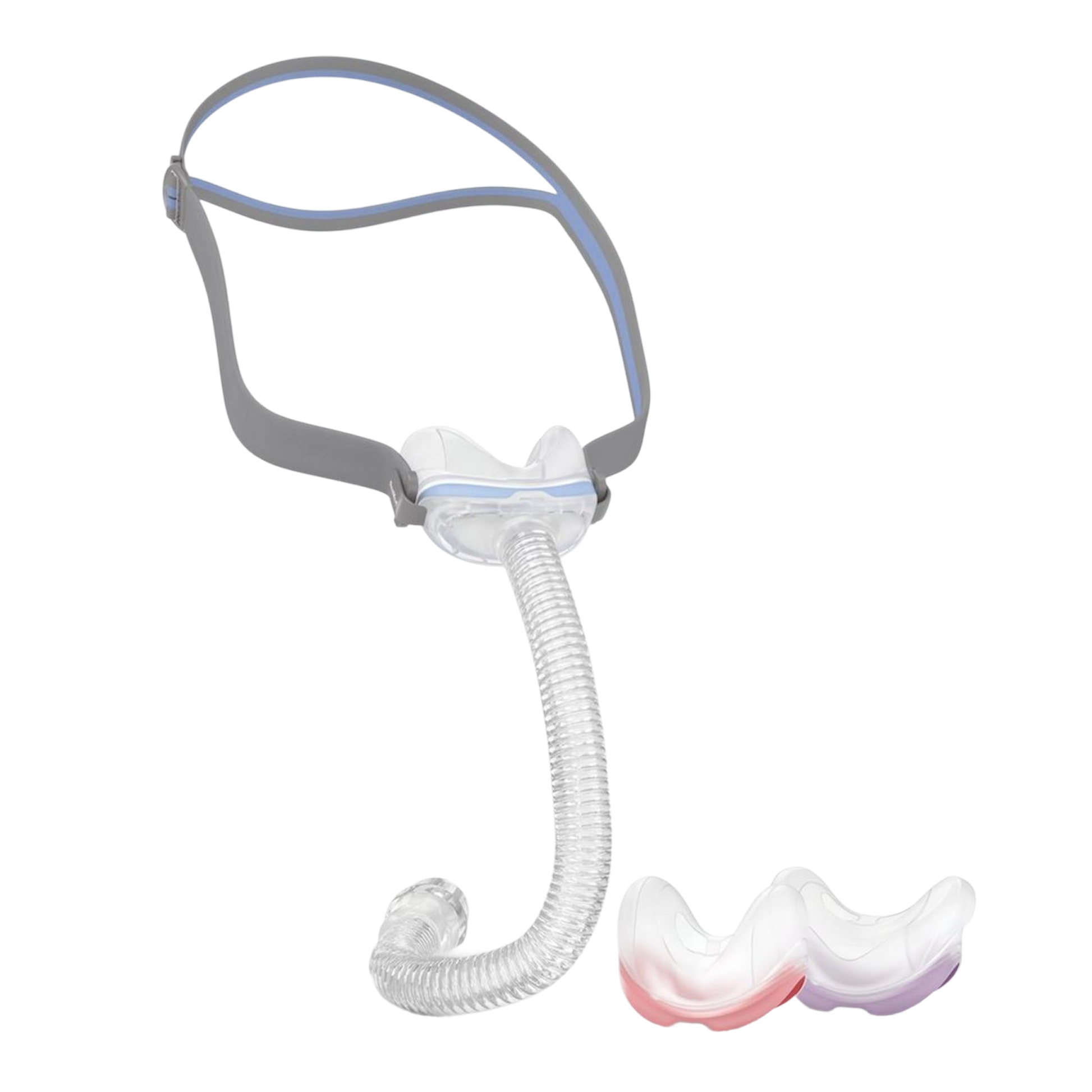
Nasal masks cover just the nose, sitting right between minimal nasal pillows and a full-face CPAP mask. That middle-ground design is exactly why so many people land here after trying the other two.
If you breathe through your nose at night, a nasal mask makes sense. While mouth breathers usually need a different setup to stop air from leaking through the mouth, often a chin strap paired with a nasal or full face option, a nasal mask feels more comfortable while still offering a secure seal.
Here's how nasal masks compare to the other two main mask types:
|
Mask Type
|
Coverage
|
Best Air Pressure
|
Best For
|
|
Nasal Pillow
|
Nostrils only
|
Low pressure
|
Minimal contact, side sleepers
|
|
Nasal Mask
|
Nose only
|
Moderate to high pressure
|
Nose breathers wanting a secure seal without full-face bulk
|
|
Full Face
|
Nose and mouth
|
Any pressure level
|
Mouth breathers or changing pressure needs
|
How Do You Choose the Right Nasal Mask For You?
Fit matters more than any spec sheet. Here's what you should know before you buy a new CPAP mask.
-
Facial hair: Standard silicone cushions can struggle to seal around a beard or mustache. Memory foam or gel cushions seal better in this case, and trimming along the seal line helps too.
-
Headgear and adjustability: Look for adjustable, low-profile headgear that holds the mask in place without feeling tight or bulky.
-
Sleep position: Side and stomach sleepers often need a low-profile nasal mask to avoid shifting or losing its seal overnight.
-
Soft pillows vs. cushion seals: Soft pillows rest at the nostrils; cushion seals sit against the bridge of the nose. Preference comes down to what feels right on the face.
If you don't love your new mask, you can always exchange it for a different size or model within 60 days of purchase. Not sure where to start? Find your perfect mask in five minutes or less with our quiz, and get personalized sizing help from our award-winning CPAP Guides.
What Are Some Tips for Getting Used to a Nasal Mask?
Even the right mask can take a few nights to feel natural. Here are a few tips to set you up for success with your sleep therapy.
-
Ease into it: Wear the mask for short stretches while awake, whether reading, watching TV, or lounging. This builds comfort and gives your face time to adjust to the seal before a full night's use.
-
Mind the sun: Let the cushion air-dry away from direct sunlight after cleaning. UV exposure breaks down silicone over time, which shortens how long the mask holds its seal.
-
Replace on schedule: Cushions and headgear wear out. Replacing them on a regular schedule keeps the seal and the therapy working as it should.
-
Get support if needed: Our CPAP Guides can help with insurance reimbursement questions and replacement supply needs.